What Is The Difference Between Baby Spinach And Regular Spinach

You’re standing in the grocery store, staring at two bags of green leaves. One says baby spinach, the other just spinach. They look almost the same, but your recipe calls for...
You’re standing in the grocery store, staring at two bags of green leaves. One says baby spinach, the other just spinach. They look almost the same, but your recipe calls for “spinach.” Which one do you grab? It’s a tiny dilemma that can feel surprisingly big when you’re hangry and in a rush.
Here’s the good news: you can swap them in a pinch. But if you want your salad to be tender or your pasta to hold up, knowing the difference helps you cook smarter, not harder. Think of it like choosing between a fuzzy baby bunny and a sturdy adult rabbit—both are adorable, but one is fluffier and the other is tougher.
Age matters more than you think
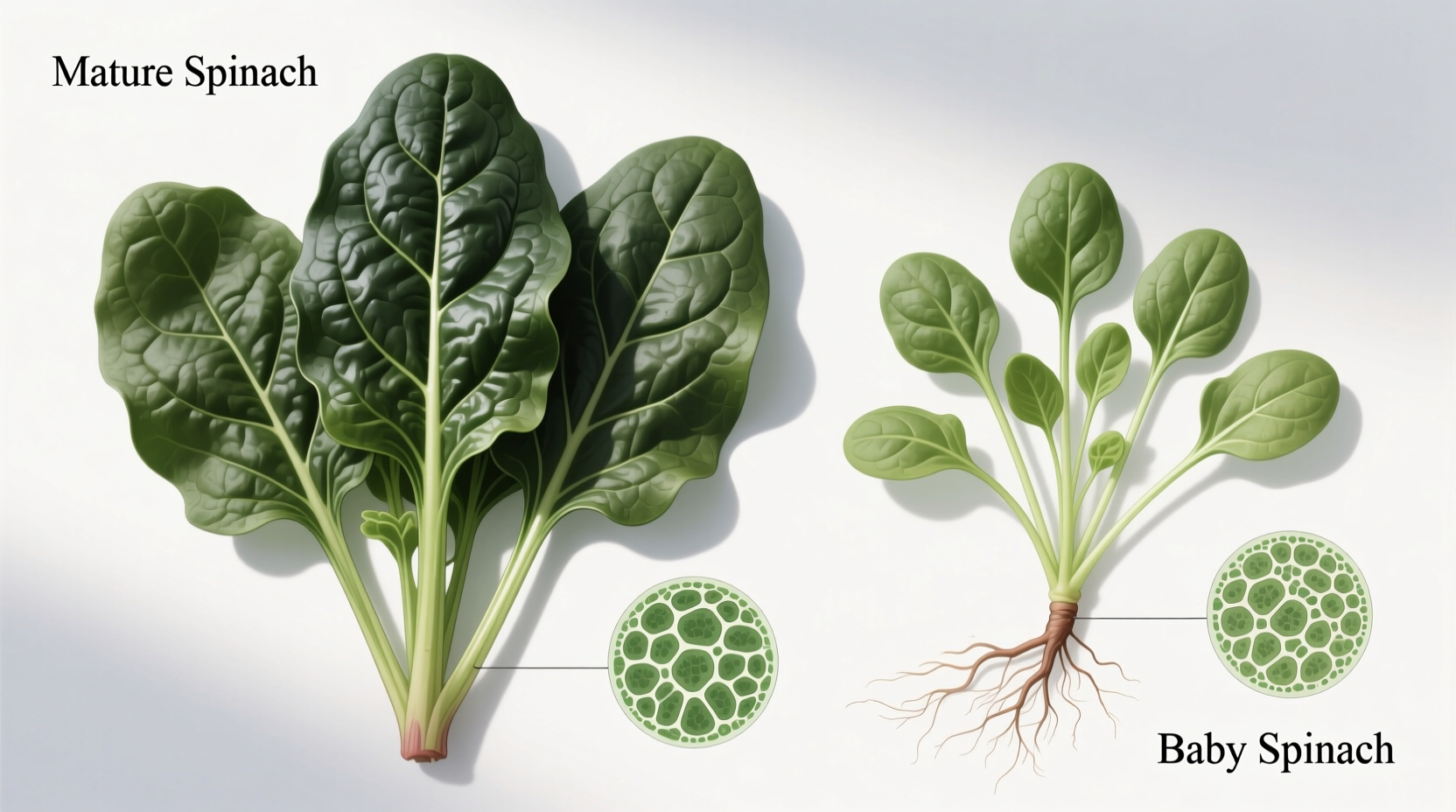
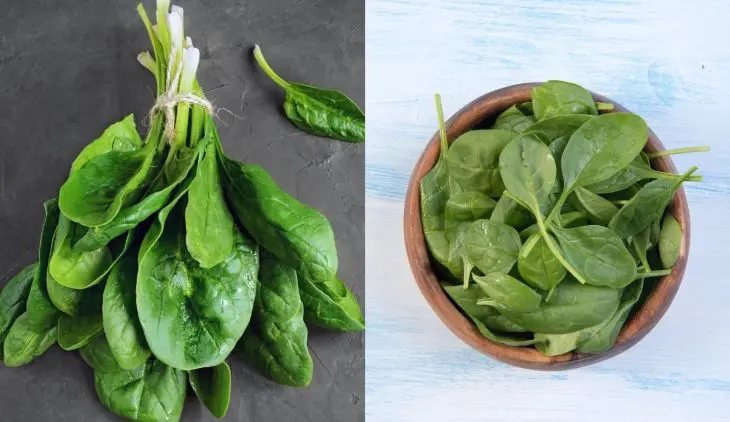
Baby spinach is simply regular spinach picked early, before the leaves reach full size. It’s harvested when it’s about two to three weeks old, so the leaves are small, round, and delicate. Regular spinach, often called “full-grown” or “mature” spinach, is left to grow for another week or two, getting larger, darker, and slightly thicker.
Must Read
That age difference changes everything about how they taste and feel. Baby spinach is sweet, tender, and almost melts in your mouth—like the softest bite of spring. Regular spinach has a stronger, earthier flavor with a bit of a bite, similar to how a grown-up jalapeño has more kick than a mild pepper.
Texture is the real secret
Picture this: you’re making a quick lunch salad. Toss in baby spinach, and it blends beautifully with crunchy almonds and juicy tomatoes. The leaves are so delicate they don’t overpower the other ingredients. Now imagine using regular spinach in that same salad—it’s chewier, and you might end up chewing a stem, which feels like finding a twig in your cereal.
But that toughness is a superpower in the kitchen. When you sauté spinach for omelets, stir-fries, or creamy dips, regular spinach holds its shape and doesn’t turn into a slimy puddle. Baby spinach wilts fast, almost vanishing into a whisper of green—great for a quick wilt, but not for a hearty side dish.
 Rosalie Mason, Author at Tips Bulletin
The everyday hero in your fridge
I keep baby spinach around for my lazy-day salad—just dump it in a bowl, add some dressing, and call it dinner. It’s also perfect for smoothies because it blends smooth without leaving weird gritty bits. My kids eat it without complaining, which is basically a parenting win at the level of finding a lost sock.
Regular spinach is my go-to for big, satisfying meals. I throw it into soups, pasta sauces, and lasagna where I want a substantial green. It also works great in quiches and frittatas, giving you a hearty bite that doesn’t shrink away like baby spinach does under heat.
But is one healthier than the other?
Not really—both are packed with iron, vitamins, and fiber. Regular spinach has slightly more nutrients because it matured longer and absorbed more sunlight. But the difference is so small that eating either is a huge win for your body. It’s like comparing a chocolate chip cookie to a double-chocolate chip cookie—both are delicious, so don’t overthink it.
If you eat spinach raw, baby spinach is easier to digest and gentler on your stomach thanks to lower oxalic acid. That’s the compound that can make your teeth feel fuzzy after chomping raw leaves. Regular spinach can have a bit more of that, so cooking it is actually better for unlocking its iron.
 Differences Between Baby Spinach And Regular Spinach - Grower Today
How to decide in five seconds
Take a deep breath and ask yourself: “Will this be raw or cooked?” If you’re eating it uncooked—like in salads, wraps, or smoothies—grab baby spinach. If you’re cooking it—like in stir-fries, omelets, or soups—go with regular spinach. That’s the whole cheat code.
You can also mix them! A handful of regular spinach in a baby spinach salad adds texture and a bit of bold flavor. Or toss a few baby leaves into a pot of cooked spinach for a softer finish. Life’s too short to be rigid with your greens—experiment like a playful chef, not a rulebook.
The bottom line for your next grocery run
You don’t need to stress over this. Both baby spinach and regular spinach are leafy legends that make you feel like you’re eating something virtuous. But understanding their differences means you’ll enjoy them more, waste less, and impress your dinner guests when you casually say, “Oh, I used full-grown spinach so it holds up to the heat.”
So next time you’re in the produce aisle, remember: baby spinach is the soft hug of greens, and regular spinach is the firm handshake. Choose based on your mood and your meal. And if you grab the wrong one? Who cares—you’re still eating spinach, and that’s already a win for everyone.
