What Is The Difference Between Ancho Chili Powder And Regular Chili Powder

Have you ever stood in the spice aisle, staring at a jar marked "chili powder" and another labeled "ancho chili powder," feeling a little lost? You're not alone. It’s one of t...
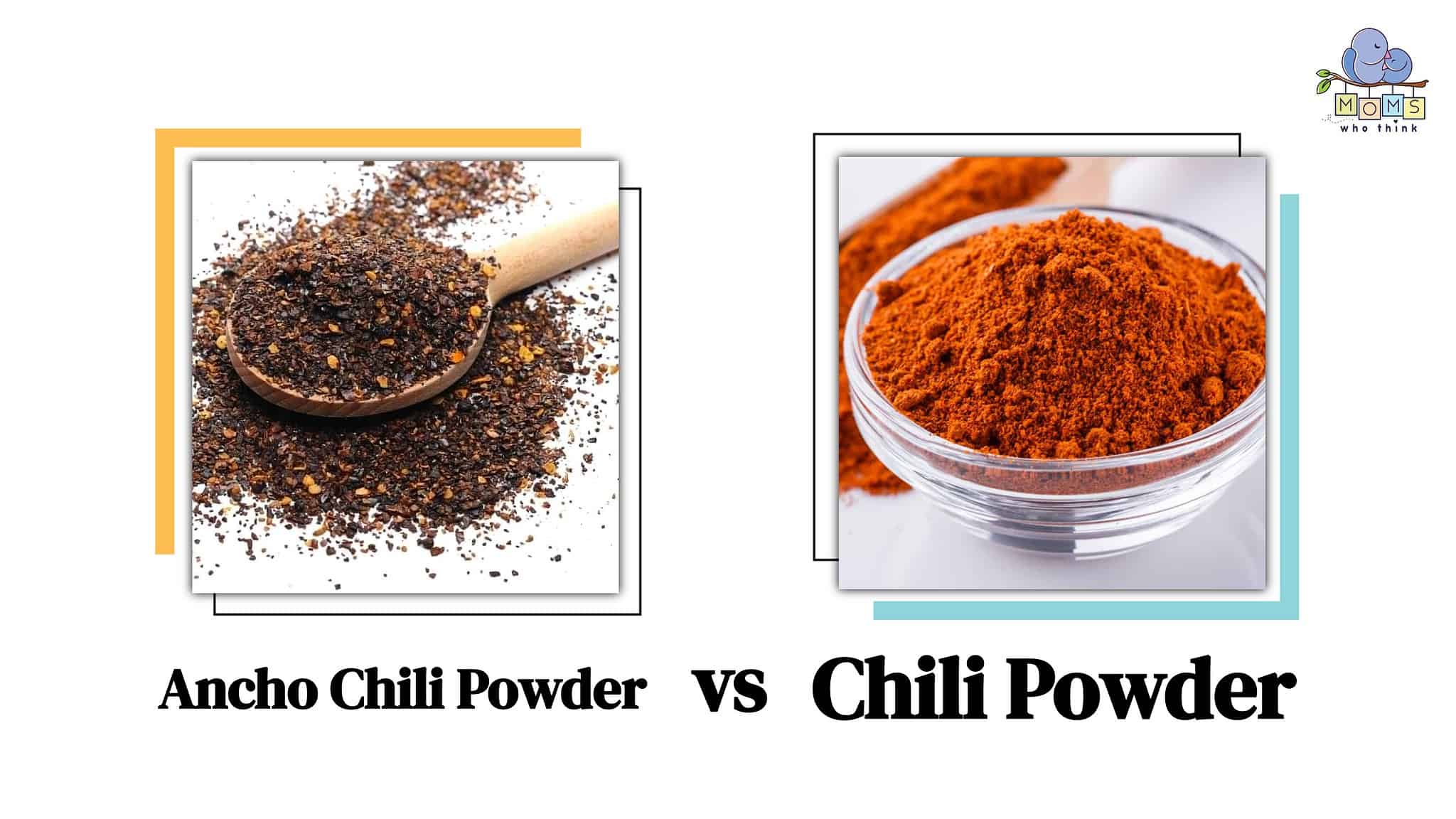
Have you ever stood in the spice aisle, staring at a jar marked "chili powder" and another labeled "ancho chili powder," feeling a little lost? You're not alone. It’s one of those small grocery store mysteries that can make or break your next pot of chili or batch of tacos. But here's the cool part: they are not the same thing at all, and understanding the difference is like unlocking a secret level in your cooking game.
So, what’s the deal with "regular" chili powder?
Let’s start with the familiar red jar. Regular chili powder is actually a blend—it’s not just one spice. Typically, it’s a mix of dried ground chili peppers (often a mild variety), cumin, garlic powder, oregano, and sometimes a little salt or paprika.
Think of it as the team player of the spice world. It’s designed to be a one-stop shop for adding a rounded, savory heat to your dishes, without too much fuss. You shake it in, and it just works—that’s why it’s in almost every chili recipe.
Must Read
But here’s the kicker: the "chili" in that blend is usually not ancho. It’s often a generic, mild red chili like New Mexico or California chili, which gives a bright, earthy heat that’s more about warmth than flavor depth.
Ancho chili powder: the solo star
Ancho chili powder is a completely different animal. For starters, it’s a single-ingredient spice. It’s made from 100% dried poblano peppers that have been smoked and ground into a fine powder.
If regular chili powder is the friendly neighbor, ancho powder is the mysterious artist who lives down the street. It brings a deep, sweet, almost raisin-like flavor with hints of chocolate and coffee, with a mild, gentle heat that doesn’t bite back.
It’s not trying to be hot—it’s trying to be complex. That rich, smoky sweetness is why chefs love it for mole sauces, enchiladas, and slow-cooked meats. It adds soul, not just spice.
Why does this even matter?
Imagine you’re making a simple pot of beef chili. If you use regular chili powder, you’ll get that familiar, crowd-pleasing flavor—tangy, slightly hot, and herbaceous. But swap in ancho powder, and suddenly your chili tastes deeper, almost like it’s been simmering for hours with a secret ingredient.
It’s like comparing a pop song to a jazz track—both are good, but one has more layers. The ancho version will have a subtle smokiness and a sweetness that balances the acidity of tomatoes or the richness of cheese. Your taste buds will notice, even if they don't know why.
 Ancho Chili Powder vs. Chili Powder: Which One Should You Use?
And here’s a fun fact: Ancho powder is way milder than regular chili powder. Surprised? Most store-bought chili blends have a bit more heat because they include spicier peppers like cayenne or arbol. Ancho is like the cinnamon of the chili world—warm, but not fiery.
When should you use each one?
Use regular chili powder when you want a classic result—think chili con carne, taco seasoning, or a simple soup where you want a quick burst of Tex-Mex flavor. It’s your reliable workhorse.
Reach for ancho chili powder when you want to get fancy without trying too hard. Rub it on pork before roasting, stir it into black bean soup, or add a spoonful to your tomato sauce for pasta. It’s the secret handshake of home cooks who want their food to taste thoughtful.
Can you substitute one for the other? Sure, but only in a pinch. If you swap ancho for regular, your dish will be less spicy and more sweet—so you might need to add a pinch of cayenne or cumin to balance it out. It’s like swapping vanilla extract for almond extract; it works, but the final vibe will be different.
The fun comparison: a movie analogy
Think of regular chili powder as your standard action movie. It’s loud, fast, and hits all the beats you expect. You know you’ll get a good time, but you won’t remember the score afterwards.
Ancho chili powder is that slow-burn documentary that makes you think. It’s quiet but powerful, with layers of meaning and emotion that stay with you long after the credits roll. You don’t watch it for explosions; you watch it for the story.
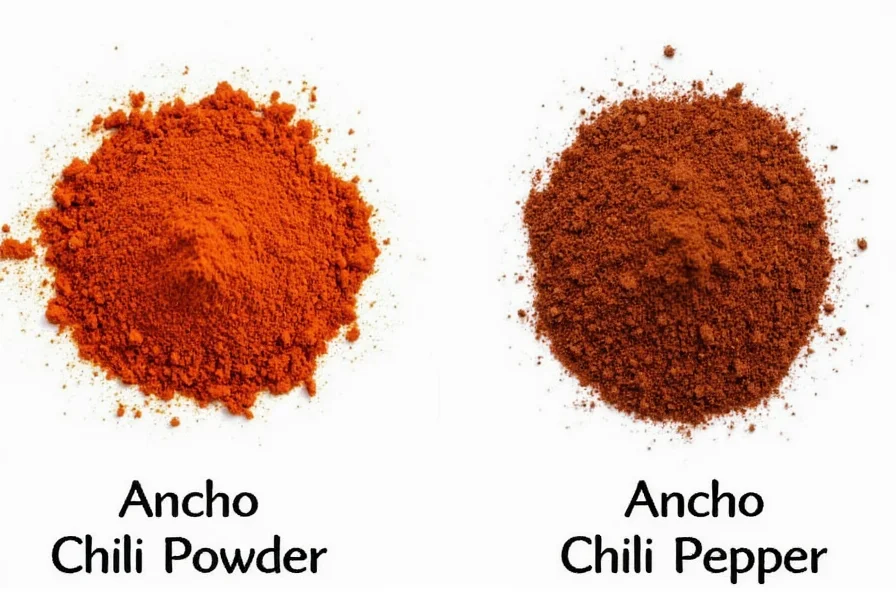 Ancho Chili Powder vs Chili Powder: Key Differences & When to Use Each
Both have their place in your kitchen pantry. One isn’t “better” than the other—they just serve different purposes. But knowing the difference means you can choose the right tool for the job.
A quick tip for the curious cook
If you’ve never tried ancho chili powder, start by mixing it with regular chili powder. Use a 50/50 blend in your next batch of chili or tacos. It’s like adding a bass player to your spice band—suddenly everything feels fuller.
And don’t be afraid to taste them side by side. Set out a little regular powder and a little ancho, dip a clean finger in each, and notice how ancho is darker, almost burgundy, and smells like dried fruit and tobacco. The regular one will smell more like a spice cabinet—familiar, but less poetic.
This little experiment is a low-stakes way to become a more intuitive cook. You’ll start to recognize flavors by memory, not just by reading a label. That’s when cooking becomes fun.
So, what’s the bottom line?
Regular chili powder is a convenient blend meant for big, bold, straightforward dishes. Ancho chili powder is a single-origin star built for nuance and depth. One is your go-to, the other is your upgrade.
Neither is wrong, but knowing when to use each is what separates a good dinner from a memorable one. So next time you’re in the spice aisle, don’t just grab the first red jar. Think about what kind of story you want your meal to tell, and choose your chili powder accordingly.
After all, cooking is just a series of small, curious choices—and this one is deliciously easy to master. Why not give ancho a try tonight?
