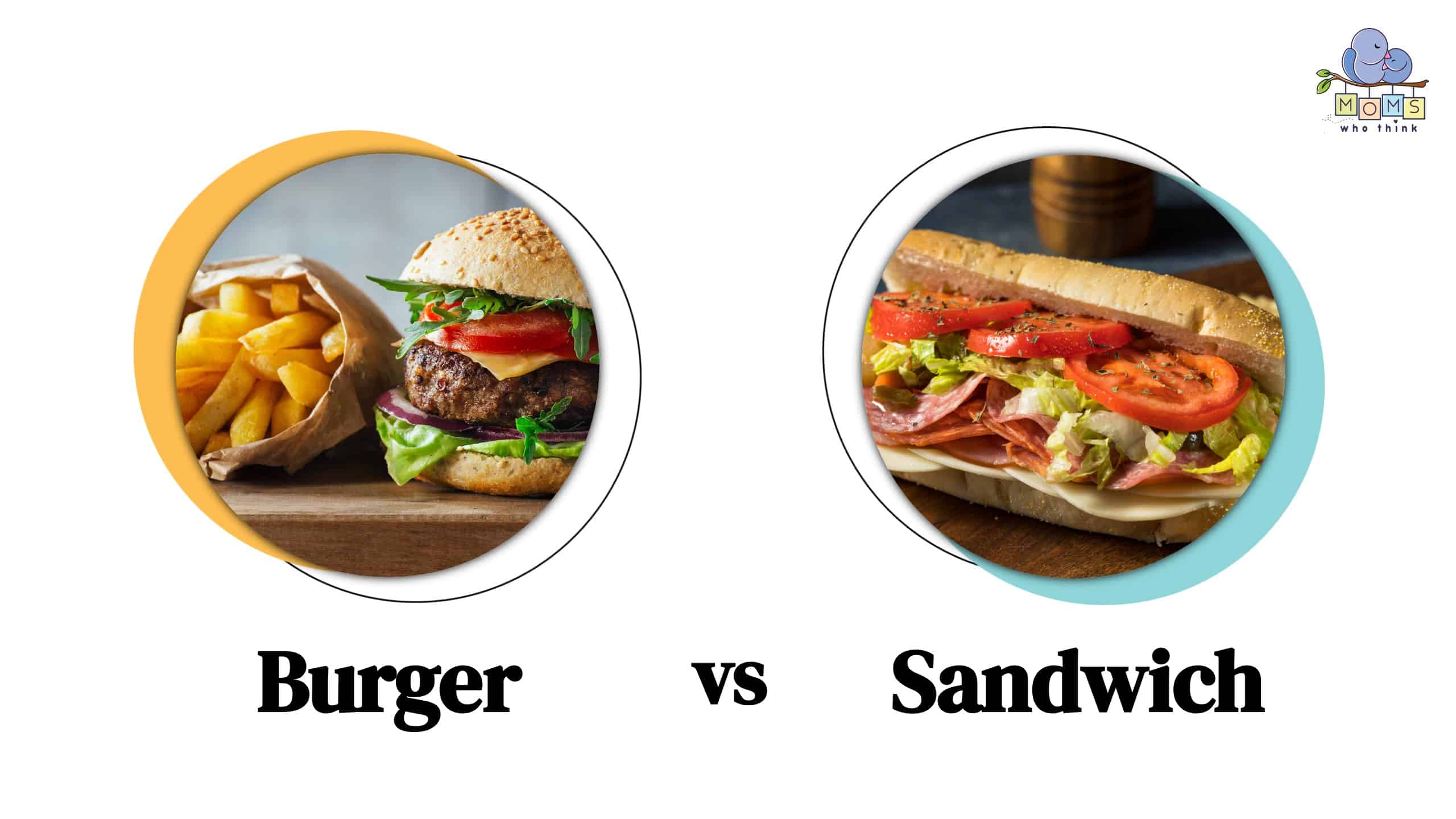
What Is The Difference Between A Sandwich And A Burger

There are few simple pleasures more universally cherished than a handheld meal. Whether it’s the crisp bite of a toasted sub on a lunch break or the juicy, savory heft of a gr...

There are few simple pleasures more universally cherished than a handheld meal. Whether it’s the crisp bite of a toasted sub on a lunch break or the juicy, savory heft of a grilled patty at a summer cookout, these foods promise convenience and comfort. They are the architects of our quick lunches, the heroes of our game-day spreads, and the solution to a thousand tired evenings. At first glance, a sandwich and a burger seem interchangeable—two halves of bread cradling a filling. Yet, for chefs, food writers, and hungry diners alike, the distinction is a satisfying puzzle of culinary identity. Understanding this difference doesn’t just settle bar bets; it sharpens your appreciation for food structure, tradition, and intention. It empowers you to build better meals, whether you’re crafting a gourmet creation or ordering from a drive-thru.
The most defining difference lies not in the bread, but in the protein and its preparation. A burger, by its very name, is defined by a ground meat patty—traditionally beef, though chicken, turkey, or plant-based patties now hold the same core identity. The patty is formed, seasoned, and cooked (usually on a grill or flat-top) as a distinct, cohesive unit. A sandwich, in contrast, is a far broader category. Its protein can be anything from sliced roast beef, pulled pork, or tuna salad to fried chicken, turkey, or even hummus. It relies on pre-cooked, sliced, or shredded fillings that are assembled rather than cooked in a single, unified shape. Think of it this way: if the main protein is a pre-formed, cooked-to-order patty, you are likely holding a burger. If it is sliced, stacked, or spooned, you are holding a sandwich.
This structural rule leads directly to the question of buns versus bread. While both can use a bun, a burger is almost exclusively served on a round, often soft bun. This bun is a specific tool: its shape mirrors the patty, its density supports the weight of toppings, and its slightly sweet flavor (like a brioche or potato bun) complements the savory meat. A sandwich, however, enjoys immense freedom in its carbohydrate vessel. It can be served on sliced loaf bread (from white to sourdough to rye), a crusty baguette, a flatbread, a roll, or a croissant. The bread for a sandwich is chosen to match the filling’s texture; a Reuben demands rye, a BLT needs toasted white bread, and a sub requires an Italian roll. The bun is the burger's partner; the bread is the sandwich's canvas.
Must Read
History and culinary culture reinforce this divide. The modern hamburger is a relatively young invention, born in the late 19th and early 20th centuries, tied to the rise of American diners and fast-food chains. Its identity is rooted in speed, customization, and American ingenuity. The sandwich, by contrast, is ancient in concept, named after the 18th-century Earl of Sandwich, and its lineage stretches across every culture—from the Vietnamese banh mi to the Mexican torta. A burger is a specific icon of a category, while a sandwich is the entire category itself. This cultural weight affects how we eat them: a burger is almost always eaten with both hands, often with a side of fries, while a sandwich—like an open-faced canapé or a delicate tea sandwich—can be a two-handed affair or a genteel, knife-and-fork experience.
To see the difference in action, consider two specific scenarios. You walk into a deli and order a "turkey club." The server pulls sliced turkey, bacon, lettuce, and tomato from separate containers and stacks them between toasted sourdough. That is undeniably a sandwich. Now, picture a backyard barbecue. You place a ball of raw ground chuck on a hot grill, press it into a patty, and watch it sear. You put it on a seeded bun with cheese, pickles, and ketchup. That is a burger. Now, what about a chicken patty on a bun? Overwhelmingly, this is called a chicken burger or chicken sandwich, depending on the region. In fast food, a crispy chicken patty on a bun is often labeled a "sandwich" (e.g., a Chick-fil-A Chicken Sandwich), while a ground, formed chicken patty is a "burger." The lines blur, but the patty principle is your best compass: a unified, cooked-from-raw patty points to a burger; any other assembled protein points to a sandwich.
 Food | LocalSavour
For anyone wanting to explore this distinction in their own kitchen, a few simple tips can turn theory into practice. First, test the patty test: before you build, decide if your protein should be a single, cohesive patty (form it, season it, and cook it in one piece) or a sliced/stacked filling. Second, match your bread to the filling’s intensity: a thick, juicy burger needs a sturdy, squishy bun; a delicate egg salad needs soft, manageable bread. Third, respect the layering: for a burger, put cheese on the patty immediately after cooking so it melts; for a sandwich, place wet ingredients (like tomato or pickles) between dry ingredients (like lettuce and bread) to avoid sogginess. Fourth, observe how you hold it: if you require a napkin and a firm two-handed grip, you’re likely in burger territory; if you can eat it with one hand while standing, it’s probably a sandwich. Finally, embrace the gray area: a sloppy joe (loose meat on a bun) or a lobster roll (chunks of meat on a split-top bun) defy strict rules. Enjoy the debate—it’s part of the fun.
In the end, the difference between a sandwich and a burger is more than a technicality; it is a celebration of definition and diversity in our daily food. A burger offers a specific, nostalgic promise of a hot, juicy patty in your hands. A sandwich offers endless global possibilities, from a simple PB&J to an elaborate muffuletta. Both serve the same essential purpose—to deliver delicious, portable sustenance—but they do so through different logics of construction. The next time you order one or the other, pause and appreciate the choice. Whether you crave the definitive structure of a burger or the boundless creativity of a sandwich, you are participating in a rich, joyful tradition of eating with your hands. And that, perhaps, is the real point—not the label, but the pleasure it brings to your everyday life.