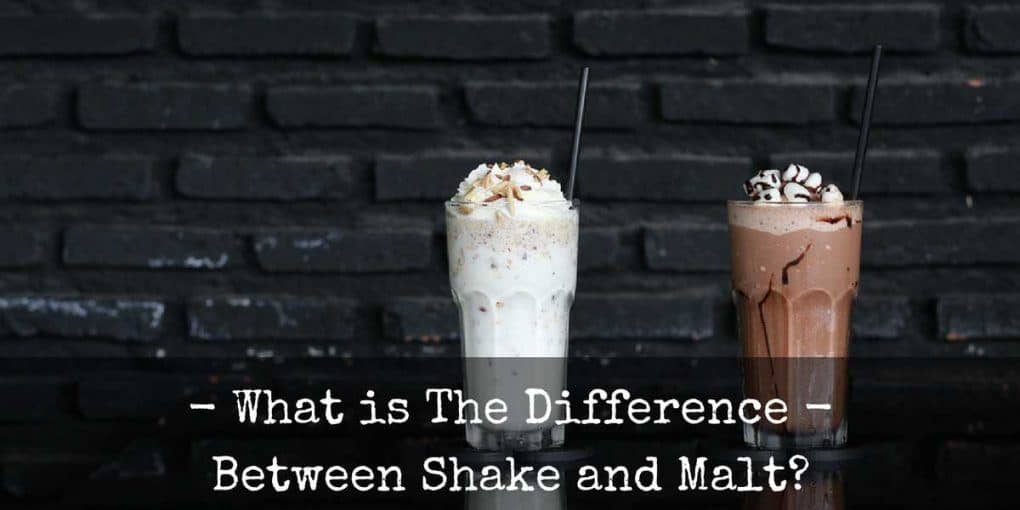
What Is The Difference Between A Milkshake And A Malt

Welcome, flavor adventurers, to a delicious debate that has long divided ice cream lovers! We’re tackling a question that sounds simple but holds the key to a world of creamy,...
Welcome, flavor adventurers, to a delicious debate that has long divided ice cream lovers! We’re tackling a question that sounds simple but holds the key to a world of creamy, dreamy delight: What is the difference between a milkshake and a malt? It’s a fun and tasty quest because, let’s be honest, who doesn’t love a good, frosty beverage? Understanding this distinction isn’t just for trivia night; it’s a practical superpower for ordering at diners, making perfect treats at home, and impressing your friends with your drink-order savvy. The main advantage here is maximized deliciousness—you’ll know exactly which blend to choose for your mood, be it for a classic, pure-cream craving or a deeper, toasty flavor adventure. So grab a straw, and let’s dive in!
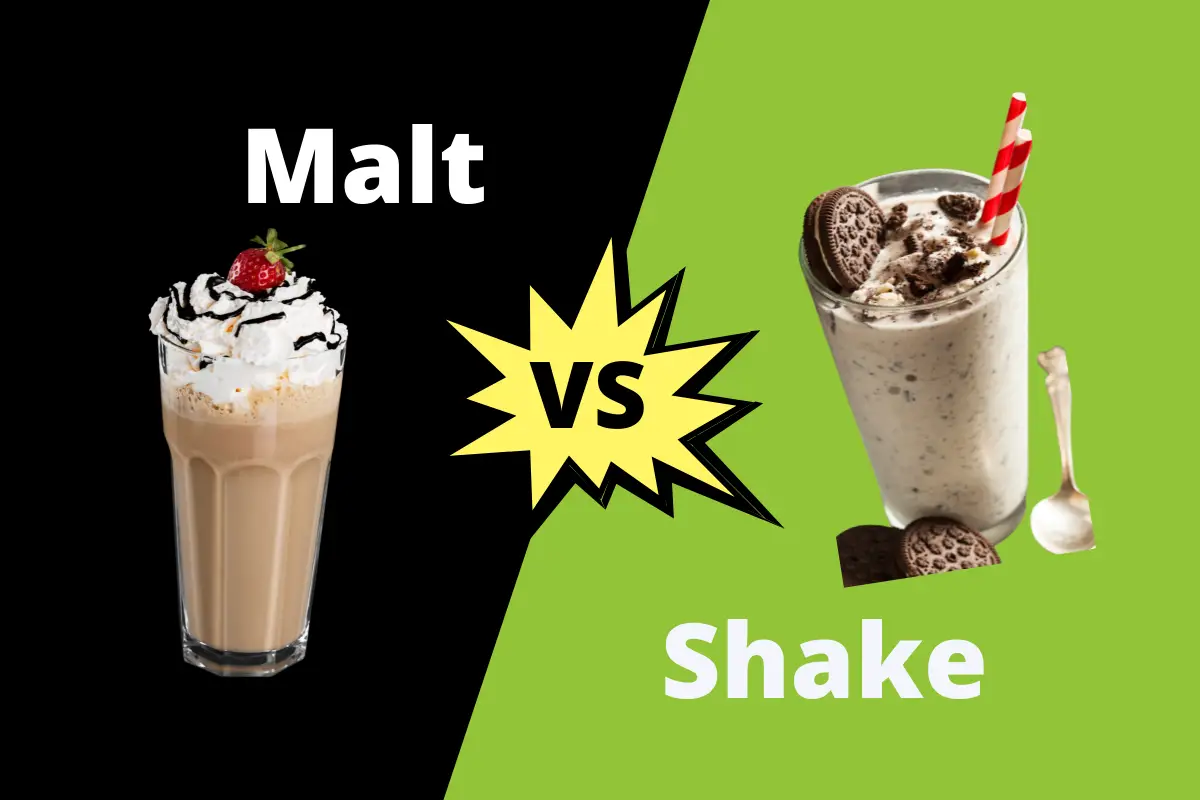
At its heart, the difference boils down to two simple words: malted milk powder. A classic milkshake is a straightforward, heavenly fusion of milk, ice cream, and flavoring (like chocolate or strawberry). It’s smooth, creamy, and the gold standard of diner nostalgia. A malt, however, takes that exact base and introduces a secret weapon: malted milk powder. This fine, slightly grainy powder is traditionally made from malted barley, wheat flour, and evaporated milk. When you add it to a milkshake, it works a kind of culinary magic, transforming the texture from simply creamy to luxuriously thick and almost silky, while adding a distinctive, toasty, slightly nutty flavor—a little like a toasted biscuit or caramel note. Think of it this way: a milkshake is a lovely, smooth glee, while a malt is a complex, satisfying symphony.
To really grasp the difference, let’s visit a classic 1950s soda fountain. You order a chocolate milkshake, and it arrives tall, cold, and a little thin—the ice cream and milk are perfectly blended, but it’s a simple, straightforward treat. Now, your friend orders a chocolate malt. When their drink arrives, it’s noticeably thicker, almost like a soft-serve you need a spoon for at first. The first sip hits you with that extra depth: a warm, toasty, malty flavor that wraps around the chocolate like a cozy blanket. That’s the signature of a malt! The powder doesn’t just add taste; it changes the body of the drink, making it more resistant to melting and giving it a luscious, velvety mouthfeel. A malt is the milkshake’s sophisticated older sibling—bolder, richer, and ready for a richer flavor experience.
Must Read
Here’s a quirky way to remember: think of texture and taste as your guides. A milkshake is liquid joy—it’s what you imagine when you think of a thick, creamy, shake that you can drink easily through a straw. It’s perfect for hot summer days when you want pure, unadulterated ice cream flavor. A malt, on the other hand, is for moments when you want a little je ne sais quoi. The malt powder adds a pleasant, almost earthy complexity that pairs brilliantly with flavors like vanilla, chocolate, and coffee. It’s the drink you order when you want something more than just dessert—you want an experience. And if you’re feeling creative, a malt base is incredible for a “malt bomb” where you add crushed cookies or pretzels, because the thick texture holds mix-ins perfectly!
Now, for the practical side: how can you enjoy this knowledge? The easiest way is at a diner or ice cream shop—just ask for “a malt” instead of “a shake.” Most places will know what you mean. But here’s a pro tip: try starting with a classic vanilla malt. The simple flavor lets the toasty malt powder shine. If you’re feeling adventurous, ask for a “black and white malt” (vanilla ice cream with chocolate syrup). The contrast is sublime! And don’t underestimate a strawberry malt—the sweet fruit and malt flavor create a surprisingly sophisticated pairing. Remember, not all malt powders are the same; you can find classic brands like Horlicks or Ovaltine at grocery stores for homemade experiments.
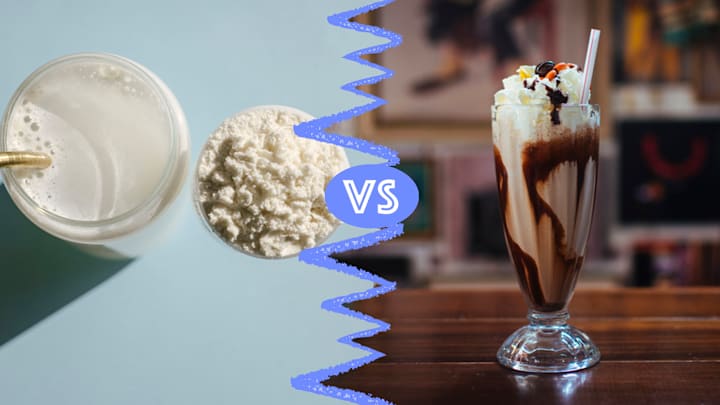 Malt vs. Milkshake: What’s the Difference?
If you want to craft your own at home, the process is wonderfully easy. Start with three scoops of high-quality vanilla ice cream, about 1/2 cup of whole milk (for creaminess), and your choice of flavor syrup. For a malt, simply add two heaping tablespoons of malted milk powder (adjust to taste—more for a punchier flavor!). Blend on low to combine, then high for about 20 seconds until silky. The trick is not to over-blend; you want it thick, not watery. For a classic diner-style malt, serve it in a frosted glass and top with whipped cream—a perfect touch that makes it feel special. You’ll immediately notice how the powder magically thickens the shake while adding that signature, nutty warmth.
So, what’s the final verdict? A milkshake is a beloved, classic champion of simplicity—pure, creamy, and unmistakably delicious. A malt, with its addition of malted milk powder, is that same champion upgraded with a secret power: a toasty, complex flavor and a luxurious, thick texture. Both are fantastic, but knowing the difference lets you choose your own adventure with confidence. Next time you’re at a counter, smile and decide: do you want the sweet, straightforward hug of a milkshake, or the deep, intriguing embrace of a malt? Either way, you’re in for a treat, and now, you’re the expert in the room. Enjoy every sip.