What Is The Difference Between A Burrito And A Chimichanga

Welcome, fellow food lovers, to a delicious debate that has sparked more arguments than pineapple on pizza. You’ve probably stood at a menu, squinting at the choices, wonderin...
Welcome, fellow food lovers, to a delicious debate that has sparked more arguments than pineapple on pizza. You’ve probably stood at a menu, squinting at the choices, wondering, “Is a chimichanga just a burrito that went through a phase?” Well, you’re not alone, and the answer is both simple and satisfying. Understanding the difference between these two Mexican-inspired staples isn’t just about trivia—it’s about upgrading your next meal. This article will arm you with the knowledge to order with confidence, impress your friends with your culinary insight, and maybe even settle a family feud. The advantage? You’ll never mistake a soft, hearty bundle for a crispy, golden monument again.
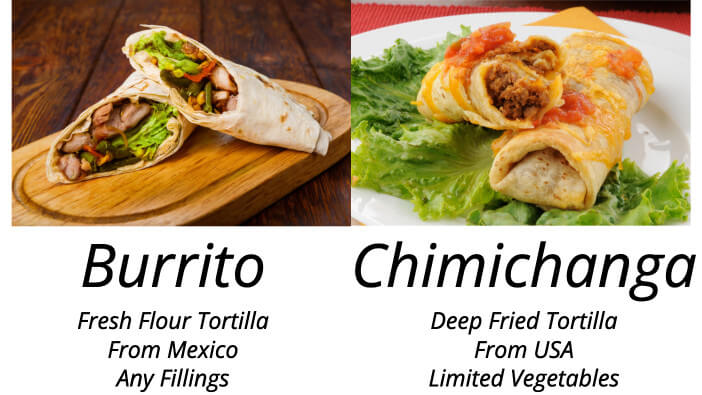
Let’s start at the very beginning: the definition of each dish. A burrito is a classic, a true workhorse of the kitchen. Imagine a large flour tortilla, soft and pliable, wrapped snugly around a filling that often includes seasoned meat, rice, beans, cheese, and salsa. It’s a portable meal, designed to be held in your hands and devoured without a plate. Now, consider its glamorous cousin: the chimichanga. At its core, a chimichanga is a deep-fried burrito. That’s the one, single, glorious difference. After you assemble a burrito, you take that same bundle and submerge it in hot oil until the tortilla turns a shade of golden brown and becomes shatteringly crisp. The result? A textural experience that is completely different—a crunchy, satisfying shell versus a soft, chewy wrap.
The magic really lies in the texture and preparation. Think of a burrito as a hug for your insides. It’s warm, substantial, and all about the harmony of ingredients held together by the doughy tortilla. Every bite is soft, with the fillings melding into a cohesive whole. A chimichanga, however, is a celebration of contrast. The first bite is a crunch that shatters, revealing the steamy, savory interior. The oil introduces a new layer of flavor—a slight, toasty richness that you simply don’t get from a steamed tortilla. For a creative twist, imagine a breakfast chimichanga: scrambled eggs, bacon, and cheese, all deep-fried until the outside is crispy—it’s a brilliant idea for a weekend brunch, turning a simple wrap into a crunchy, indulgent treat.
Must Read
Now, let’s get practical. If you want to try making these at home, the key difference in technique is the final step. For a perfect burrito, you need to master the tight roll. Fold in the sides, tuck the bottom flap over the filling, and roll it firmly. This prevents everything from spilling out. The golden rule? Do not overfill. A bloated burrito is a messy burrito. For a chimichanga, you must secure the roll even more tightly. Use a toothpick to pin the seam shut before frying, because the oil will try to pry it open. Also, consider using a thicker tortilla for deep-frying—one that can withstand the heat without falling apart. A simple tip: if you’re making a chimichanga, don’t use wet fillings like raw salsa; instead, use drier ingredients like shredded chicken, refried beans, and cheese to avoid a soggy explosion in the oil.
Where does this divide make a real-world impact? In the eating experience. A burrito is your perfect on-the-go companion. You can eat it while walking, driving (carefully), or sitting on a park bench. It’s durable and forgiving. A chimichanga, however, is a dining event. Because it’s deep-fried and often topped with sour cream, guacamole, and a blanket of melted cheese, it demands a plate and a fork. The crispy shell is fragile; biting into it while walking could send a satisfying crunch followed by a sad cascade of filling onto your shoes. So, choose your weapon based on the occasion. Burrito for speed and convenience; chimichanga for luxury and a textural adventure.
 Chimichanga VS Burrito — A Comparison Of Tex-Mex Goodness - The Kitchen
Let’s bust a common myth: are they from different regions? No. The chimichanga is widely believed to have been invented in Arizona, likely by a cook who accidentally dropped a burrito into a deep fryer. That happy accident changed the culinary landscape. A true Mexican burrito is usually simpler—often just meat, beans, and salsa—while the chimichanga, as an Americanized invention, was born for indulgence. This explains why you rarely find a chimichanga in authentic taquerias in Mexico, while burritos—especially in the north—are a daily staple. So, when you order a chimichanga, you’re enjoying a piece of American-created Tex-Mex history, while a burrito is a more traditional choice.
In the end, the difference between a burrito and a chimichanga is a story of transformation. One is a soft, reliable classic; the other is its crispy, adventurous sibling. Both are delicious, both are wonderful, but they serve different moods and needs. My final advice? Embrace both. Order a burrito when you need a satisfying, no-fuss meal. Order a chimichanga when you want a crunchy, decadent treat that begs for sour cream and a little applause. And if you really want to test your skills, try making a pan-fried version at home—a “burrito” lightly seared in a skillet with a little oil. It’s the perfect middle ground: a bit of crunch without the commitment of a full deep-fry. Now go forth, eat well, and may your fillings always stay inside.
