What Is The Definition Of A Fruit And A Vegetable

Welcome to the deliciously confusing world of fruits and vegetables! You might think you already know the difference, but prepare to have your produce aisle assumptions deligh...
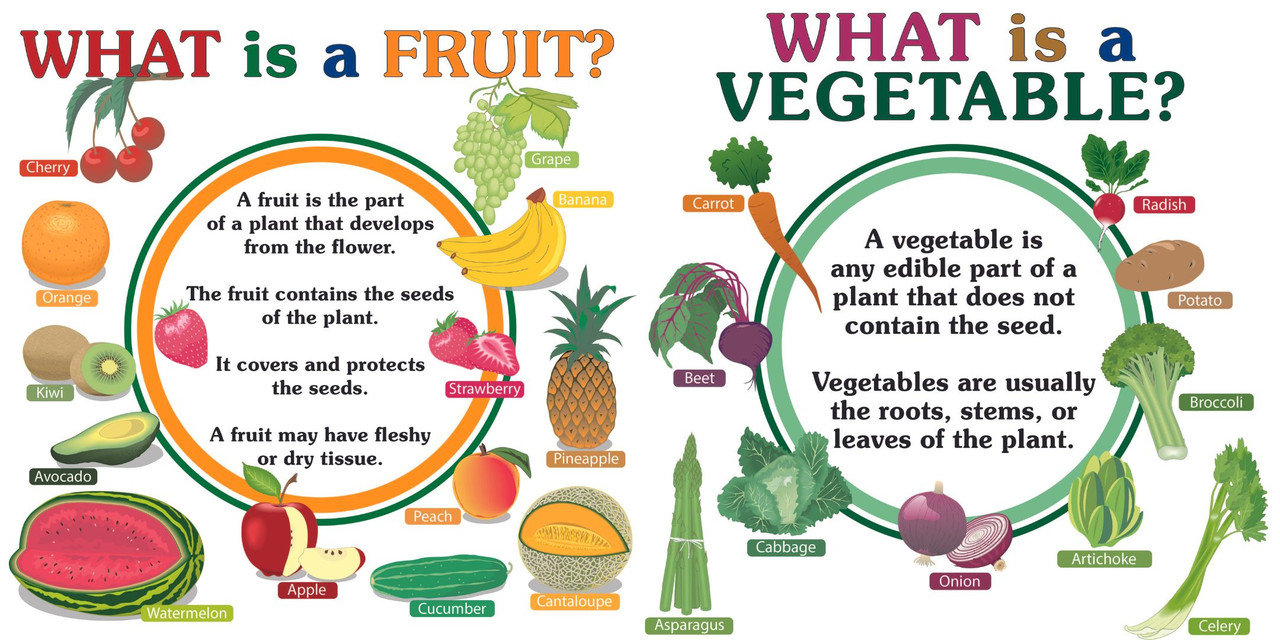
Welcome to the deliciously confusing world of fruits and vegetables! You might think you already know the difference, but prepare to have your produce aisle assumptions delightfully challenged. This isn't just a boring biology lesson; it’s a fun little secret that will make you the star of your next dinner party. Understanding the real definitions—botanical versus culinary—gives you a superpower: you can now look at a tomato, a bell pepper, or a pumpkin and say, “Actually, that’s a fruit!” while everyone else gasps. The purpose here is to clear up a common kitchen mystery and add some playful nerd cred to your everyday cooking. The main advantage? You’ll never feel silly again when you hear someone argue about whether a cucumber belongs in a fruit salad.
Let’s start with the scientific truth. In the world of botany, the definition is surprisingly simple: a fruit is the part of a plant that develops from a flower and contains seeds. Its sole job is to protect and help spread those seeds. Think apples, oranges, berries, and yes, pumpkins. A vegetable, on the other hand, is any other edible part of a plant—roots (carrots), stems (celery), leaves (spinach), or flower buds (broccoli). By this strict rule, anything with seeds is a fruit. This means that tomatoes, peppers, eggplants, and even cucumbers are all technically fruits! It’s a botanical bait-and-switch, but it’s the absolute truth. Remember this: If it has seeds inside, it started as a fruit.
Now, let’s talk about the kitchen reality, because that’s where the fun really begins. In the culinary world—what your grandmother and a chef would tell you—the definition is based purely on taste and use. If it’s sweet or tart and you eat it for dessert or in a smoothie, it’s a fruit. If it’s savory, earthy, or used in a main course or salad, it’s a vegetable. This is why a tomato is called a vegetable in the kitchen: it’s not sweet, and it stars in pasta sauces and pizzas. The same goes for bell peppers (perfect on a burger), zucchini (in stir-fries), and avocados (in guacamole). They have seeds, but they taste savory. This is the great cultural compromise: botany says one thing, cooking says another, and both are correct in their own context.
Must Read
Here are some wild examples to blow your mind. First, consider the strawberry. Surprise! It’s not a true berry. Those little tiny specks on the outside? Those are the actual fruits (called achenes), and the red juicy part is a swollen receptacle. Next, look at a rhubarb. It looks like pink celery, and we use it in pies. Guess what? It’s technically a vegetable! But because it’s so sour and sweetened with sugar, we treat it like a fruit. And let’s not forget the olive. Yes, that salty, briny little snack is a fruit (a drupe, like a peach). Meanwhile, a potato is a modified stem called a tuber—definitely a vegetable. The real creative idea here? Imagine throwing a “Fruit or Vegetable?” trivia night at home. You can make a salad of “vegetables” that are really fruits (tomatoes, cucumbers, peppers) and ask your friends to guess what’s what. It’s an edible conversation starter!
So, how do you use this knowledge practically? Here are some tips for your kitchen adventures. First, when buying produce, don’t let the labels fool you. A bell pepper is a fruit by botany, but treat it like a veggie in cooking. Second, try a fruit-based savory dish: roast some peaches with rosemary and serve them over pork, or toss sliced strawberries into a spinach salad with balsamic vinegar. The sweetness of the fruit balances the savory elements beautifully. Third, when baking, remember that “vegetables” like carrots and zucchini are technically culinary veggies, but they are also fruits by seed count? No, wait—carrots are roots. But zucchini? That’s a fruit! So go ahead and make that chocolate zucchini bread—you’re using a fruit as a vegetable. Embrace the chaos!
 The Difference Between Fruit And Vegetable Printable Fruit And
Another practical tip: host a “Fruit vs. Vegetable” taste test. Buy a few classic “confusion foods”: a tomato, a cucumber, an avocado, a pumpkin, and a red bell pepper. Ask everyone to taste each one, then vote: is it a fruit or a vegetable? Then reveal the botanical answer. You’ll learn that avocado is a berry (yes, a single-seeded berry!), and that pumpkin is a pepo (a type of berry with a hard rind). This activity is perfect for kids, curious eaters, or anyone who loves a good laugh. The key is to never be dogmatic: if someone calls a tomato a vegetable, just smile and say, “In my kitchen, it absolutely is.”
Finally, let’s wrap up with a simple cheat sheet for your daily life. When you’re at the grocery store, remember this: If it has seeds and a flower origin, it’s a fruit in science. If it’s savory, crunchy, or used in soup, it’s a vegetable in the kitchen. Don’t stress about being 100% correct all the time—the world is full of delightful gray areas. The next time you bite into a crisp cucumber or a juicy tomato, you can appreciate it for what it really is: a botanical fruit hiding in a culinary vegetable’s clothing. And that, my friend, is the kind of fun fact that makes cooking and eating just a little bit more magical. Go forth and confuse your friends!
