What Is The Chemical Formula For Love

Alright, gather 'round, folks. I've got a tale to tell, a story of atoms and emotions, of protons and passion. You might be thinking, "What's this guy on about? Love's not a c...
Alright, gather 'round, folks. I've got a tale to tell, a story of atoms and emotions, of protons and passion. You might be thinking, "What's this guy on about? Love's not a chemical equation!" Well, buckle up, 'cause I'm about to blow your mind (and maybe a few hearts too).
Love: The Original Recipe
So, you're curious about the chemical formula for love, huh? Well, first things first, love isn't a single chemical. It's a whole symphony of them, playing a beautiful, chaotic melody in our brains and bodies. But if we're talking about the big guns, the headliners of this emotional concert, we're looking at a few key players.
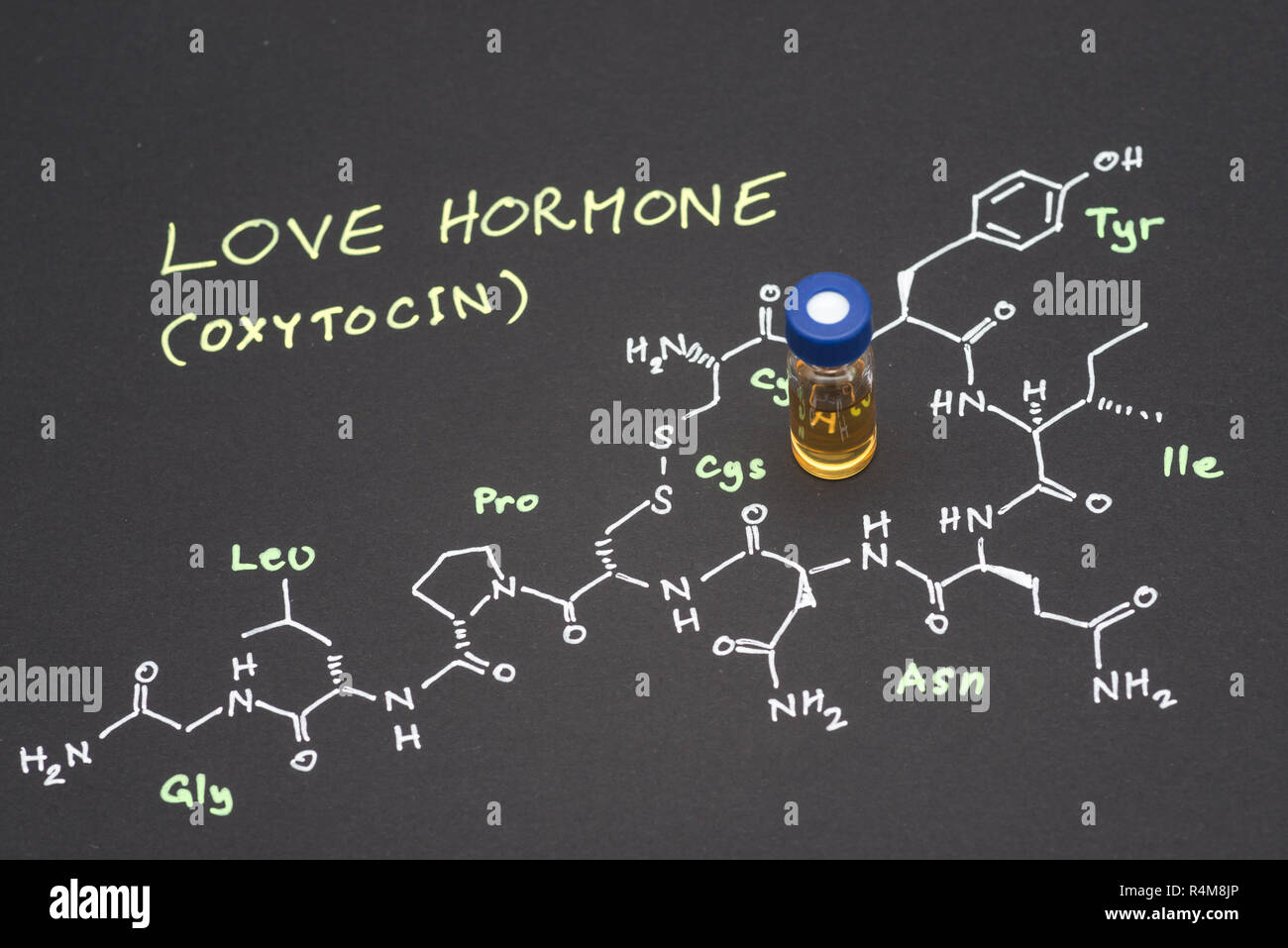
First up, we've got oxytocin, often called the "love hormone" or "cuddle hormone". It's released when we hug, kiss, or snuggle, making us feel all warm and fuzzy inside. It's like the emotional equivalent of a cozy blanket on a cold day. But here's where it gets interesting - oxytocin also plays a role in childbirth and breastfeeding. So, love might just be nature's way of tricking us into procreating and caring for our young. Thanks a lot, evolution!
Must Read
Next, we've got dopamine, the "feel-good" neurotransmitter. It's the same stuff that makes chocolate taste delicious and gives us that rush of pleasure when we win at something. In love, dopamine is responsible for those butterflies in your stomach and the feeling of being on cloud nine. It's like love is a never-ending game of pinball, and dopamine is the scorekeeper, cheering you on with every hit.
Love's Chemical Side Effects
Now, love might feel amazing, but it's not all sunshine and roses (or should that be chocolates and flowers?). Love also comes with a side of stress, thanks to the hormone cortisol. When we're in love, our bodies produce more cortisol, which can lead to weight loss, increased heart rate, and even acne. So, love might be making you look like a teenager again, but it's not for the reasons you'd hope!
And let's not forget about phenylethylamine, a chemical found in chocolate that's also produced naturally in our bodies when we're in love. It's a stimulant, similar to amphetamine, which might explain why love can feel so exhilarating. But here's the kicker - phenylethylamine breaks down quickly in the body, which could be why we need regular "love fixes" to keep that loving feeling going.
 Chemical Formula For Love
Love Potions and Other Nonsense
Alright, so we've established that love is a complex mix of chemicals. But does that mean we can bottle it up and sell it as a love potion? Unfortunately (or fortunately, depending on how you look at it), no. Love is way too complex to be reduced to a simple formula. It's not just about the chemicals; it's about the person, the connection, the shared experiences.
Think about it - if love were just about the chemicals, then anyone could fall in love with anyone, given the right mix of hormones. But that's not how it works. Love is subjective, personal, and often downright illogical. It's like trying to explain why you like a certain food or song - you just know it feels right.
Love: The Ultimate Experiment
So, there you have it - love, the ultimate chemical experiment. It's a beautiful, messy, complicated mix of hormones and neurotransmitters, all working together to make us feel alive, happy, and sometimes even a little crazy. But remember, folks, love is more than just a chemical equation. It's about finding that special someone who makes you want to solve for x, even when the answer is always changing.
And hey, if all else fails, there's always chocolate. It's got phenylethylamine, after all. Who needs a love potion when you've got a box of chocolates and a good movie, right?
