What Is The Casing For Sausage Made Of

You've probably seen a sausage and thought, "Cool bag of meat." But have you ever stopped to wonder what's holding all that flavorful goodness together? The outer layer of a s...
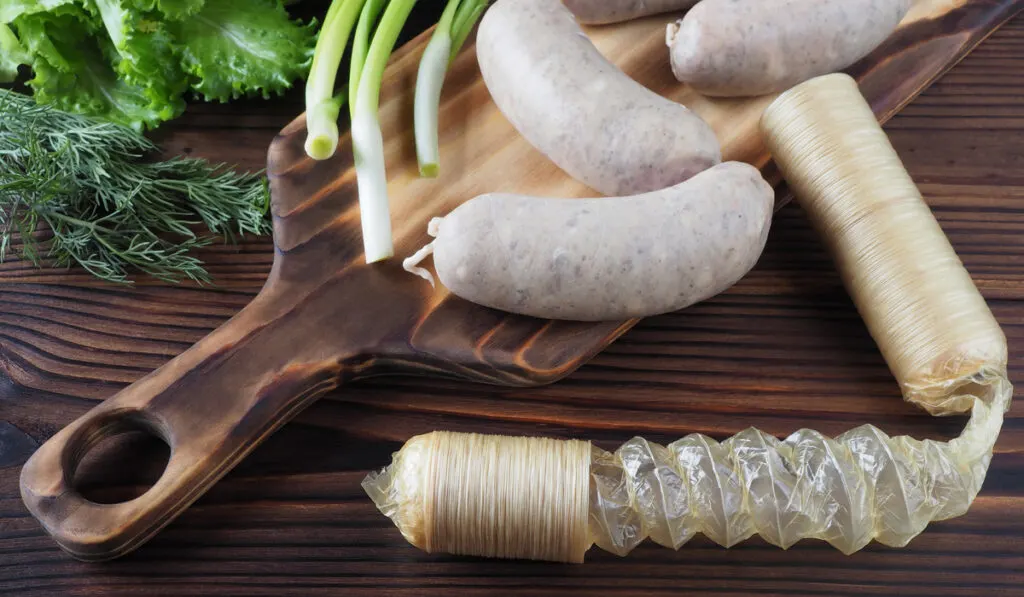
You've probably seen a sausage and thought, "Cool bag of meat." But have you ever stopped to wonder what's holding all that flavorful goodness together? The outer layer of a sausage — called the casing — is actually one of the most fascinating parts of the whole thing.
It's not just some random wrapper, either. The casing is a big reason sausages have that classic snap when you bite into them. So let's break it down and figure out what's really going on.
So, What Is a Sausage Casing?
Think of a casing like the skin on a water balloon. Everything inside needs something to hold it together, right? Well, sausages are basically bags of seasoned meat, and the casing is the bag.
Must Read
Without it, you'd just have loose ground meat in a pan. Not exactly the same vibe! The casing gives a sausage its shape, texture, and that signature bite people love.
Natural Casings: The Old-School Option
Believe it or not, natural casings come from animal intestines. Yep, we're talking real deal intestines from pigs, sheep, or sometimes cows. It sounds a little gross, but it's been done for centuries.
The intestines are cleaned, sometimes salted, and then used to stuff the meat mixture inside. They're super thin, which is why they're practically invisible once you cook them down.
That thinness is actually a good thing — it lets heat and smoke penetrate easily into the meat. You get better flavor, better browning, and that perfect snap everyone chases. Natural casings are basically the gold standard for artisan sausages.
 What is a Sausage Casing Made Of?
Synthetic Casings: The Modern Fix
Not everyone wants or can use animal intestines. That's where synthetic casings come into play — and honestly, they're pretty impressive on their own.
These are made from materials like collagen, cellulose, or plastic-like polymers. They're designed to be consistent, durable, and sometimes completely edible.
Collagen casings, for example, are made from processed animal byproducts like hides or bones. Basically, animal skin that gets ground up and reformed into a smooth sheet. It's like reimagining leather into something you can eat with your breakfast eggs.
Cellulose Casings: The Invisible Ones
Here's a fun fact — some casings are removed before the sausage is sold. Sounds weird, right? But some sausages use cellulose casings that come from plant fibers like wood pulp or cotton.
The casing does its job during cooking, holding everything together. Then it gets peeled off, leaving you with a smooth, skinless hot dog. Ever noticed how some hot dogs look suspiciously perfect? That's part of the trick.
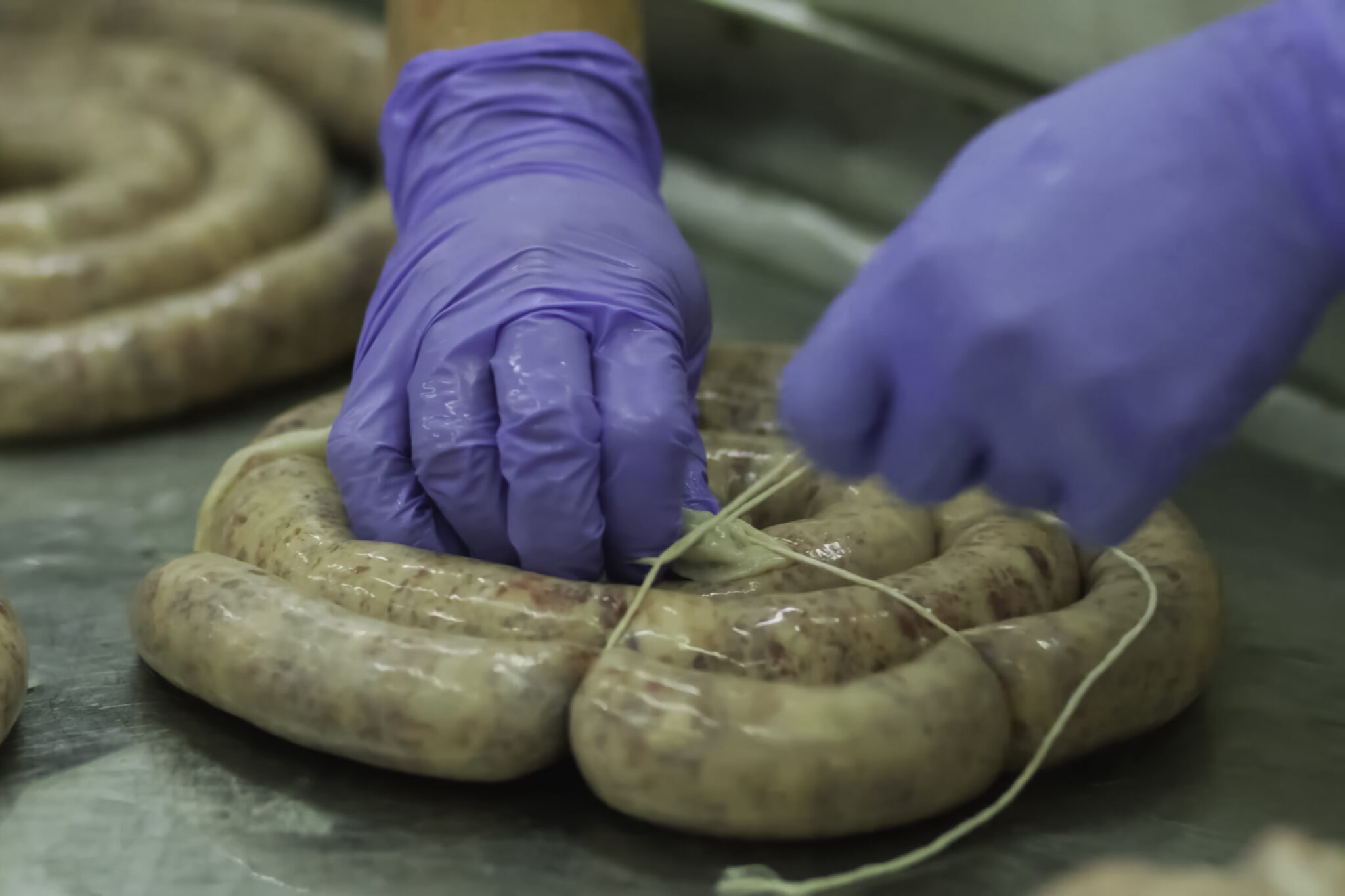 7 Types of Sausage Casings to Enhance Your Culinary Creations
Vegetarian and Vegan Options
What about people who don't eat animals at all? Turns out, there are casings made from vegetable-based materials too — things like starches and soy proteins.
These are becoming way more popular as plant-based eating takes off. People still want that satisfying sausage experience without any animal products involved.
Why Does Casing Matter So Much?
Here's the thing — the casing isn't just sitting there doing nothing. It affects flavor, moisture retention, texture, and even how the cooking process works. Choosing the wrong one can absolutely ruin a sausage.
Some casings allow more smoke and heat to transfer into the meat. Others are designed to create a specific level of pressure that keeps everything juicy and tight. It's like choosing the right container for a cake — you wouldn't bake a soufflé in a sealed steel box, right?
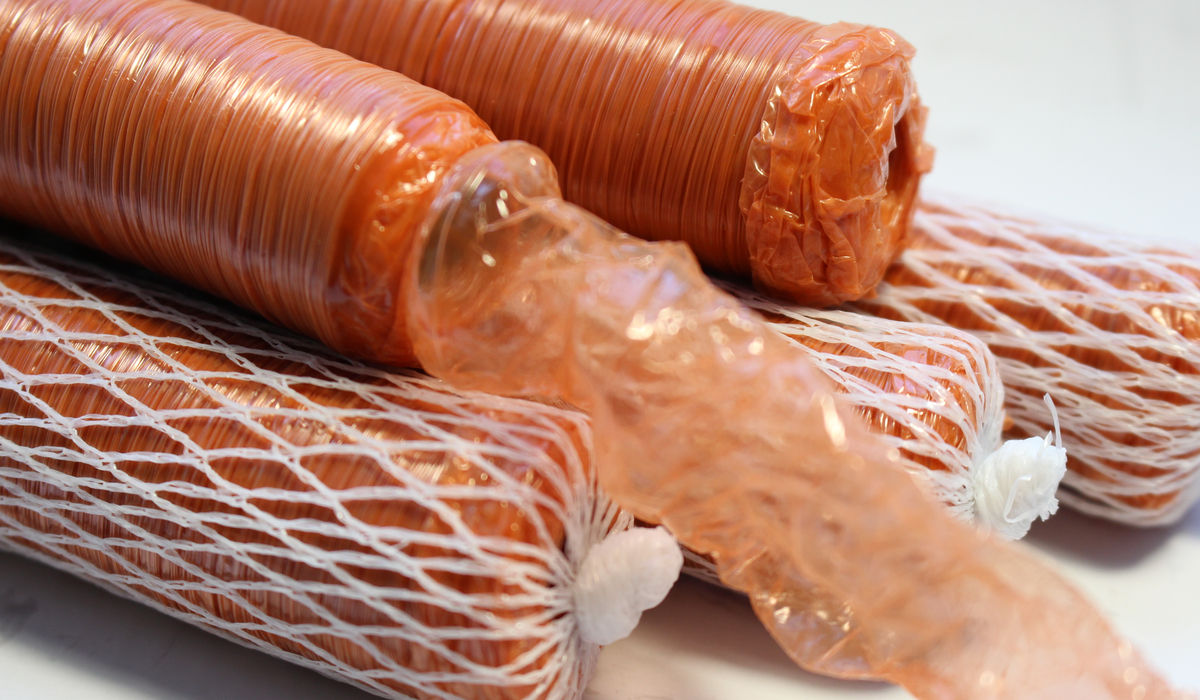 7 Types of Sausage Casings (and When to Use Them) - Farmhouse Guide
Chefs and sausage makers spend a lot of time thinking about which casing to use. It's one of those underappreciated details that separates a decent sausage from an incredible one.
Fun Comparisons to Make It Click
If you think about it, a sausage casing is basically the raincoat of the meat world. It protects everything inside from drying out, falling apart, or losing its flavor. Kind of like how a good shell keeps a turtle safe.
Or think of it as a guitar string around a beach ball — the internal pressure and the outer layer work together to create that perfect tension. It's a beautifully simple design that's been refined over generations.
The Bottom Line
Next time you bite into a sausage, take a second to appreciate what's holding it all together. From natural intestines to high-tech plant fibers, each casing has a story to tell. It's a small detail that makes a huge difference — and now you know exactly what that thin snap is all about.
Who knew sausage skins could be this interesting, right? Stay curious, and enjoy the next bite a little more!
