What Is The Best Oil For Fried Chicken

Fried chicken is one of the most beloved comfort foods in the world, consistently drawing people together around the dinner table at family gatherings, backyard barbecues, and...
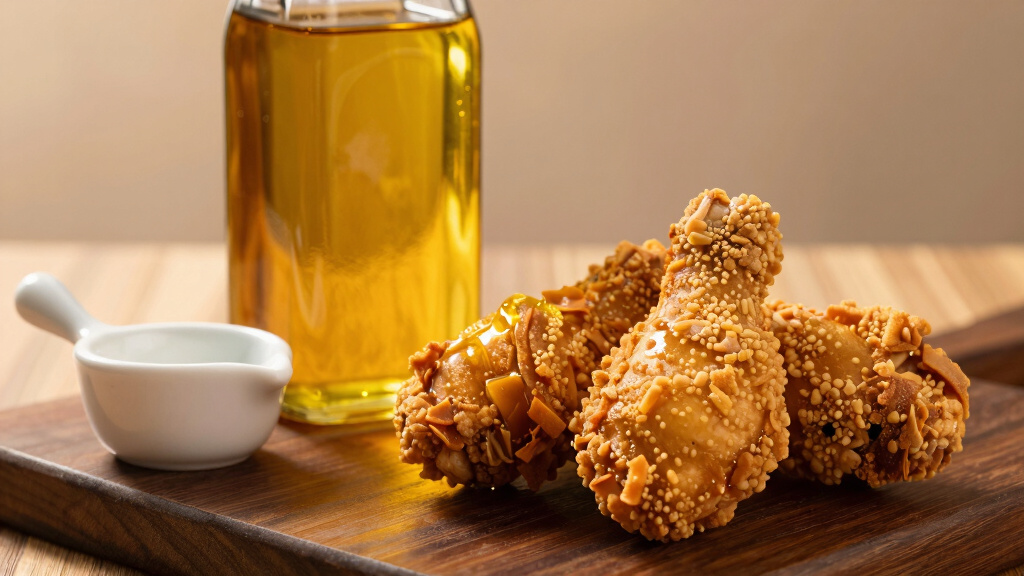
Fried chicken is one of the most beloved comfort foods in the world, consistently drawing people together around the dinner table at family gatherings, backyard barbecues, and neighborhood potlucks. There is something deeply satisfying about sinking your teeth into a piece of chicken with a golden, crispy crust that gives way to tender, juicy meat inside. The secret behind that unforgettable texture and flavor, however, often comes down to a single decision: the type of oil you choose for frying. Selecting the right oil can mean the difference between mediocre results and a dish that leaves everyone asking for seconds.
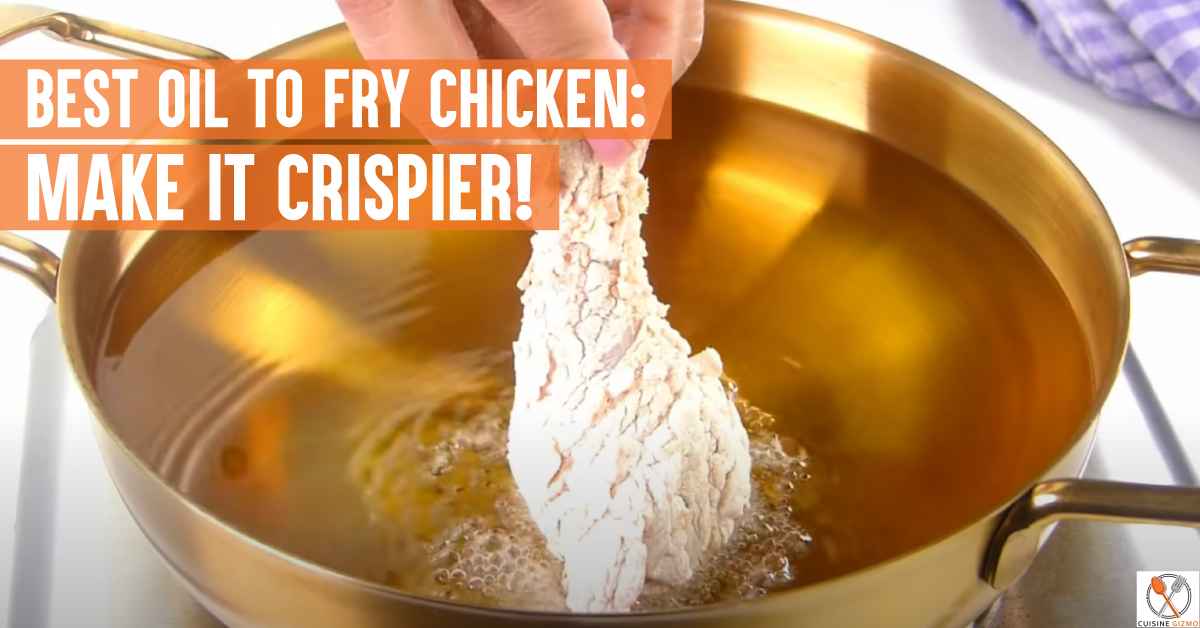
The primary purpose of oil in fried chicken is to transfer heat efficiently while delivering consistent frying conditions. When chicken pieces are submerged in hot oil, the oil sears the exterior almost instantly, creating a protective coating that locks moisture inside. This process relies on the oil's smoke point, which is the temperature at which it starts to break down and burn. An oil with a high smoke point ensures that the chicken cooks evenly without developing bitter, unpleasant flavors. For everyday home cooks and professional chefs alike, understanding this concept is essential for achieving that signature crunch without risking burnt or rancid-tasting oil.
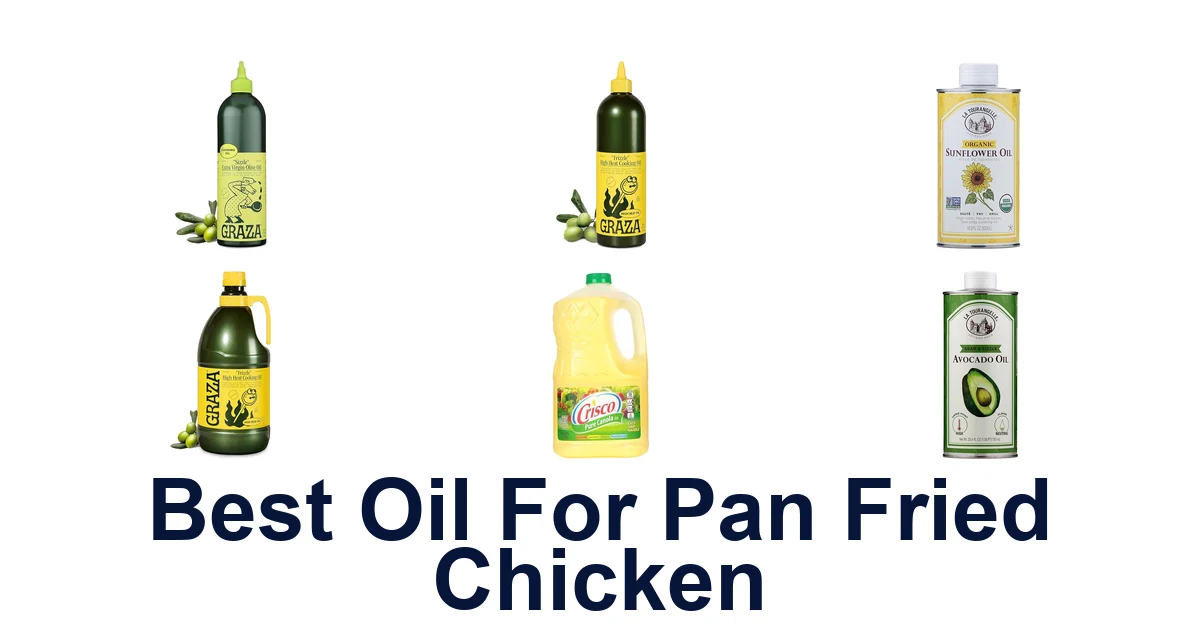
Among all the options available, peanut oil is widely considered the top choice for frying chicken. It has a neutral flavor profile that lets the natural taste of the chicken and seasonings shine through, and it boasts a high smoke point of around 450°F, making it remarkably stable during deep frying. Many famous Southern and Asian frying traditions rely on peanut oil for this very reason. The oil also resists absorption rather well, meaning the fried coating stays lighter and crispier for longer. While peanut oil is often highlighted as the best overall, other high smoke point alternatives such as canola oil, vegetable oil, and sunflower oil perform admirably and may be preferred for affordability or allergen considerations.
Must Read
Beyond choosing the right oil, the way you use it in everyday cooking can make a noticeable difference. Imagine frying chicken on a casual Sunday evening for your family versus preparing a large batch for a community event—both scenarios require oil that holds up under repeated use. Refined, unrefined, and extra-virgin varieties behave quite differently, so matching the oil's characteristics to the scale of your cooking task matters. For a quick weeknight meal, a smaller pot with a modest amount of canola oil works perfectly, while a holiday feast might justify the investment in fresh peanut oil for deeper, cleaner frying throughout the day.
 How Hot Should Cooking Oil Be to Fry Chicken? The Ultimate Guide to
There are several simple tips to help you explore the world of frying oils on your own. First, always verify the smoke point on the label before buying and match it to the temperature your recipe requires. Second, avoid reusing oil beyond three or four batches, as it degrades and can introduce off-flavors. Third, consider your audience—some guests may have nut allergies, making canola or vegetable oil the safer pick. A final tip is to invest in a kitchen thermometer so you maintain a steady temperature around 325–350°F, which keeps the oil stable and the chicken perfectly cooked.
In conclusion, the best oil for fried chicken balances a high smoke point, neutral taste, and consistent performance, with peanut oil standing out as the preferred choice for most cooks. However, personal preferences, budget, and dietary needs always play a role in the final decision. By understanding the science behind frying oils and experimenting with different options in your own kitchen, you can confidently craft a batch of fried chicken that is every bit as crispy, juicy, and flavorful as the one you remember from your favorite recipe or neighborhood restaurant.