What Is The Best Container To Freeze Soup In

Freezing soup is one of those small kitchen habits that quietly makes life easier for everyone. Whether you're a busy parent, a college student meal prepping for the week, or...

Freezing soup is one of those small kitchen habits that quietly makes life easier for everyone. Whether you're a busy parent, a college student meal prepping for the week, or someone who simply made a pot too big, knowing how to properly store your soup in the freezer can save money, reduce food waste, and guarantee a warm meal on any given evening. The beauty of this topic lies in its simplicity — and that's exactly what makes it worth exploring.
The main purpose of finding the best container for freezing soup is straightforward: it keeps your soup fresh, flavorful, and free from the unpleasant effects of freezer burn. Nobody wants to thaw a block of ice-crusted broth that tastes like cardboard. A good container seals tightly, prevents moisture loss, and blends seamlessly into your everyday routine. For different people, this matters in different ways — parents can stock their freezers before a hectic season, health-conscious cooks can portion out homemade broth, and anyone facing a power outage may have reliable backups ready to go.
There are a few widely recognized options that most people will have encountered. Glass mason jars are a favorite among many home cooks because they are see-through, reusable, and safe. Plastic freezer bags — especially the heavy-duty slider kind — are incredibly popular for their space-saving flat storage. Rigid plastic freezer containers, the kind with snap-on lids, offer a sturdy middle ground. And some people swear by silicone storage containers that are flexible, eco-friendly, and incredibly durable through repeated freeze-thaw cycles. Each has its strengths, and recognizing them is the first step toward choosing what suits your needs.
Must Read
When comparing these options, glass mason jars tend to stand out for overall quality, though they come with a key rule: always leave headroom because liquid expands when frozen. Plastic Freezer bags are the best choice when you're short on space, as you can lay them flat on a sheet pan and freeze them into neat, stackable patties. Rigid plastic containers work beautifully if you prefer a no-fuss grab-and-go approach. Silicone containers have surged in popularity recently due to their flexibility — you just push up from the bottom to pop out a perfectly shaped portion of soup.
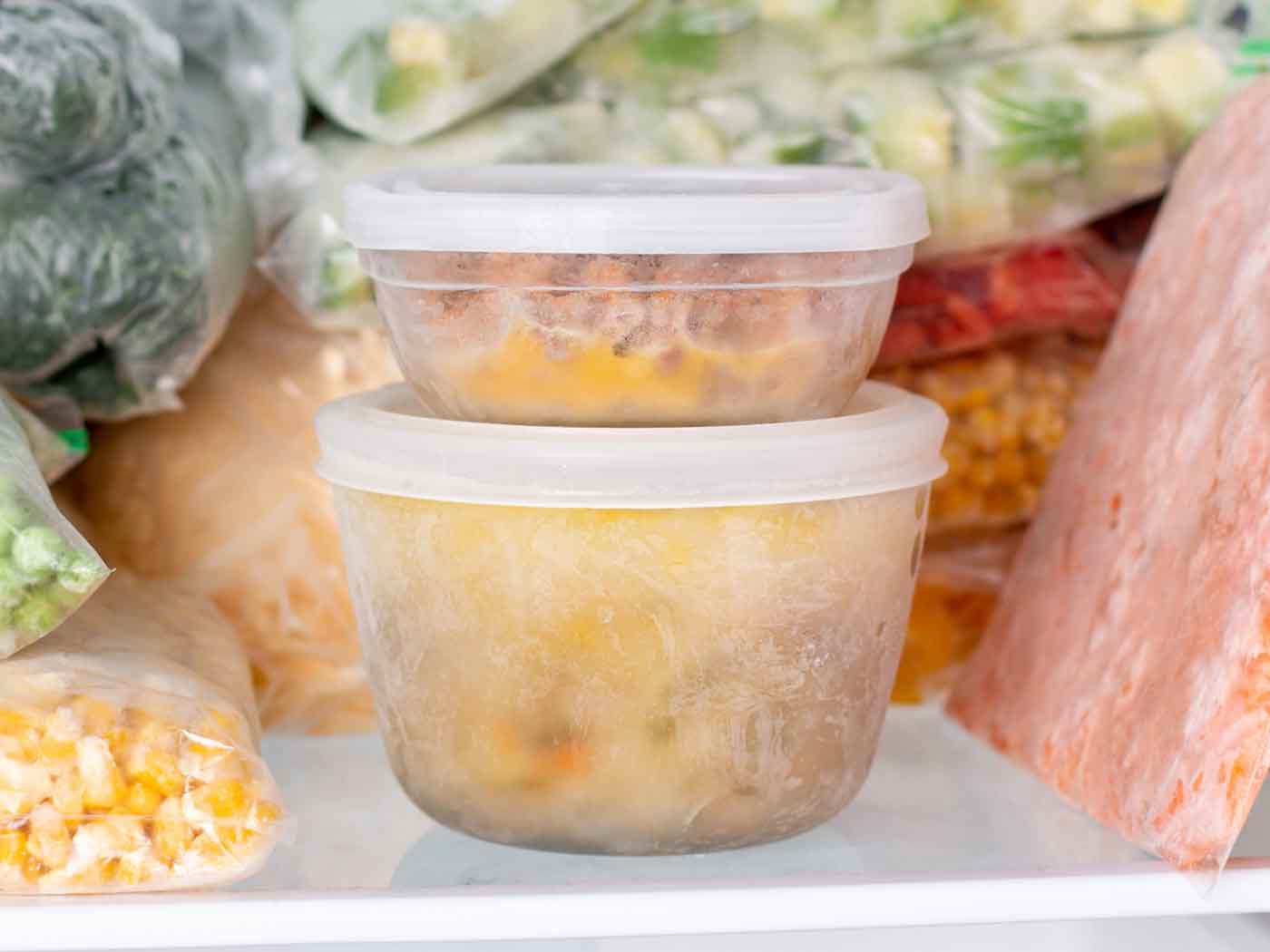 How to Freeze Soup
To get started the right way, follow a few simple steps. First, let your soup cool completely before sealing it — placing hot soup in the freezer raises the surrounding temperature and can affect other stored items. Second, leave about a half inch of space at the top of any sealed container to allow for expansion. Third, label each container with the date and soup type, because once everything freezes solid, visual identification becomes nearly impossible. Finally, store your containers in the coldest part of the freezer and aim to consume them within two to three months for the best taste and texture.
Freezing soup well is one of the most rewarding kitchen habits you can adopt. With the right container and a handful of practical habits, you transform leftovers into comforting future meals in just minutes. Whether you lean toward glass, plastic, or silicone matters less than being intentional about the process. So pick a container you genuinely enjoy using, and let your freezer become your most reliable ally in the kitchen.


