What Is Simmer On An Electric Stove

There’s something deeply satisfying about mastering the gentle art of a simmer. For anyone who loves to cook—whether you’re a weekend soup-maker or a busy parent prepping a we...

There’s something deeply satisfying about mastering the gentle art of a simmer. For anyone who loves to cook—whether you’re a weekend soup-maker or a busy parent prepping a weeknight sauce—figuring out exactly what “simmer” means on an electric stove is a small but mighty skill. It’s the difference between a rich, flavorful broth and a scorched pot, or between tender, falling-apart beans and crunchy, sad ones. The best part? Once you get the hang of it, this technique turns cooking from a stressful chore into a calm, predictable rhythm. Friends and family will notice the deeper flavors in your food, and you’ll feel like a quiet kitchen hero.
At its core, a simmer is a low, gentle boil. On an electric stove, this can be tricky because the heat comes from a coil or a smooth glass-ceramic surface that heats up and cools down slowly. The main purpose is to cook food slowly and evenly without violent bubbling. This breaks down tough fibers in meat, melds flavors in sauces, and extracts gelatin from bones for stocks. The benefit for different people is huge: a health-conscious cook can simmer beans or lentils without them bursting, while a budget-minded meal prepper can turn cheap cuts of beef into fork-tender stews. Even a busy college student can set a pot of chili to simmer and walk away to study, knowing it won’t boil over or burn.
You’ve probably seen simmering in action without realizing it. Think of a pot of chicken noodle soup when the liquid barely trembles, sending up the occasional lazy bubble. Or a Sunday gravy that gently burbles for hours, filling your home with that incredible aroma. A classic example is risotto, where the broth is kept at a bare shimmer so the rice releases its starch gradually. Another common variation is the “rapid simmer,” used for reducing a sauce—more bubbles, but still far from a rolling boil. These visual cues are your best friends on an electric stove, since you can’t rely on a roaring flame.
Must Read
Here’s the golden rule for electric stoves: start low, then adjust even lower. Because electric coils retain heat, it’s easy to overshoot. To get a perfect simmer, begin by bringing your liquid to a boil on medium-high heat. Once you see big, energetic bubbles, immediately turn the dial down to medium-low or low. Then, watch closely for 30 seconds. You want small, lazy bubbles that break the surface in a quiet, steady pattern—like a gentle whisper, not a shout. If it’s still too active, turn the knob down another notch. Patience is key; the electric surface takes a minute to respond.
A simple tip to lock in consistency: use a lid slightly ajar for the first few minutes. This prevents heat from building up too fast, especially on glass-top stoves that stay hot longer. Also, invest in a heavy-bottomed pot (like a Dutch oven or a thick stainless steel model). These pots spread heat evenly and reduce the risk of scorching on hot spots. If you notice the simmer stopping completely, just give the dial a tiny nudge up—but never jump from low to high, or you’ll send everything into a furious boil.
 What Temperature Is Simmer On An Electric Stove? Unlock The Perfect Simmer
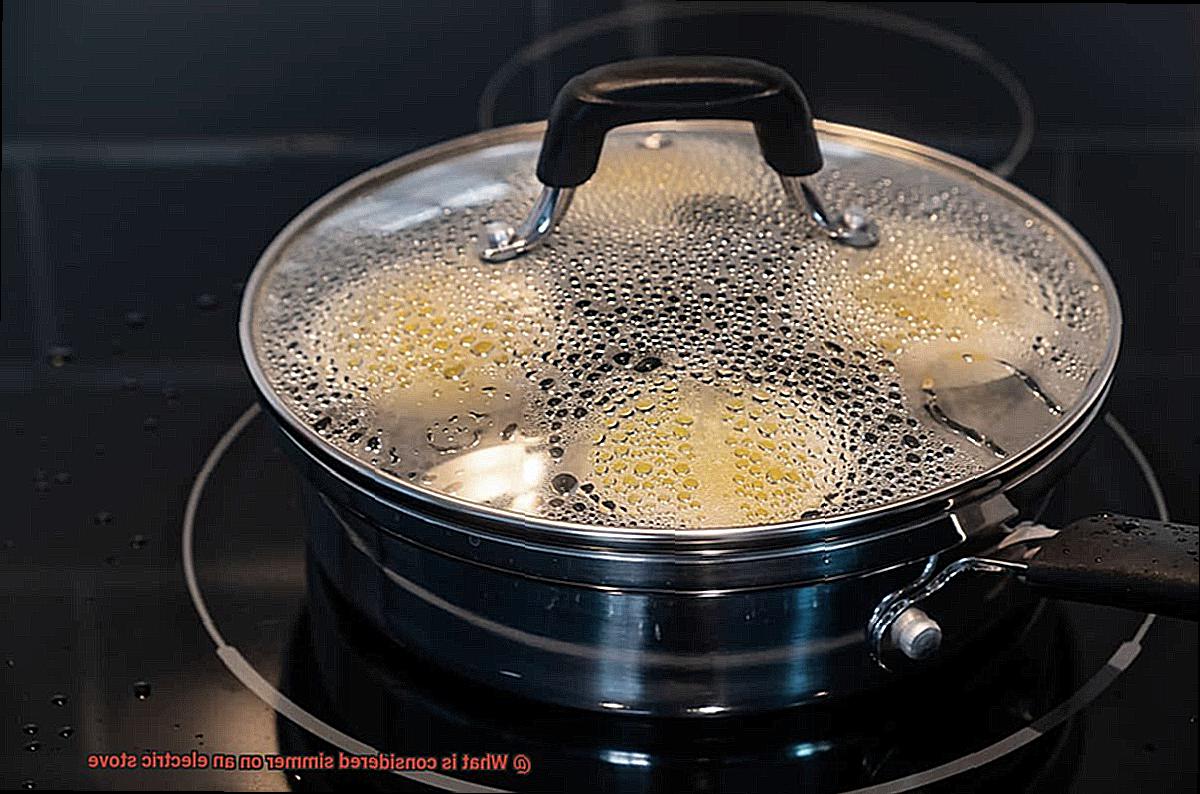
Another trick that electric stove users love is the “lid test.” Lower your heat until the barest bubble appears, then cover the pot. After a minute, lift the lid slightly. If steam escapes gently without pushing the lid, you’ve nailed the simmer. If the lid rattles or steam bursts out forcefully, the heat is too high. For soups and stocks, you can even simmer for hours with the lid ajar, but check every 30 minutes to ensure the liquid level hasn’t dropped too low. This method keeps the flavor concentrated and the texture perfect.
Ultimately, simmering on an electric stove is about learning your stove’s personality. Some coils cool almost instantly; others hold heat like lazy sunbathers. Don’t be afraid to experiment with a simple pot of water or a trial batch of tomato sauce. Write down what number on your dial gives that steady, gentle bubble. Once you know it, you’ll unlock a world of deep, soul-warming dishes—from hearty lentil soups to silky caramel sauces. And every time you lift that lid to see that calm, quiet dance of bubbles, you’ll know you’ve truly become the master of your stove.