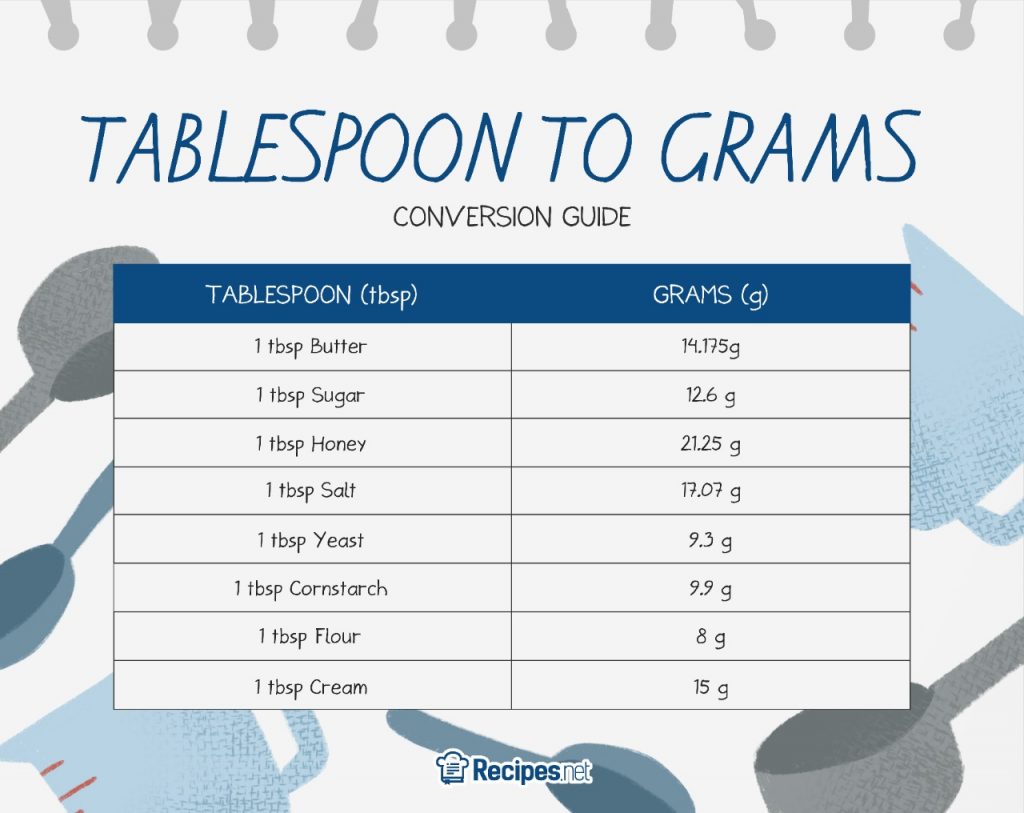
What Is One Teaspoon In Grams

You’ve probably found yourself staring at a recipe, wondering, "What is one teaspoon in grams?" It’s a question that sparks endless kitchen confusion, yet it’s one of the most...
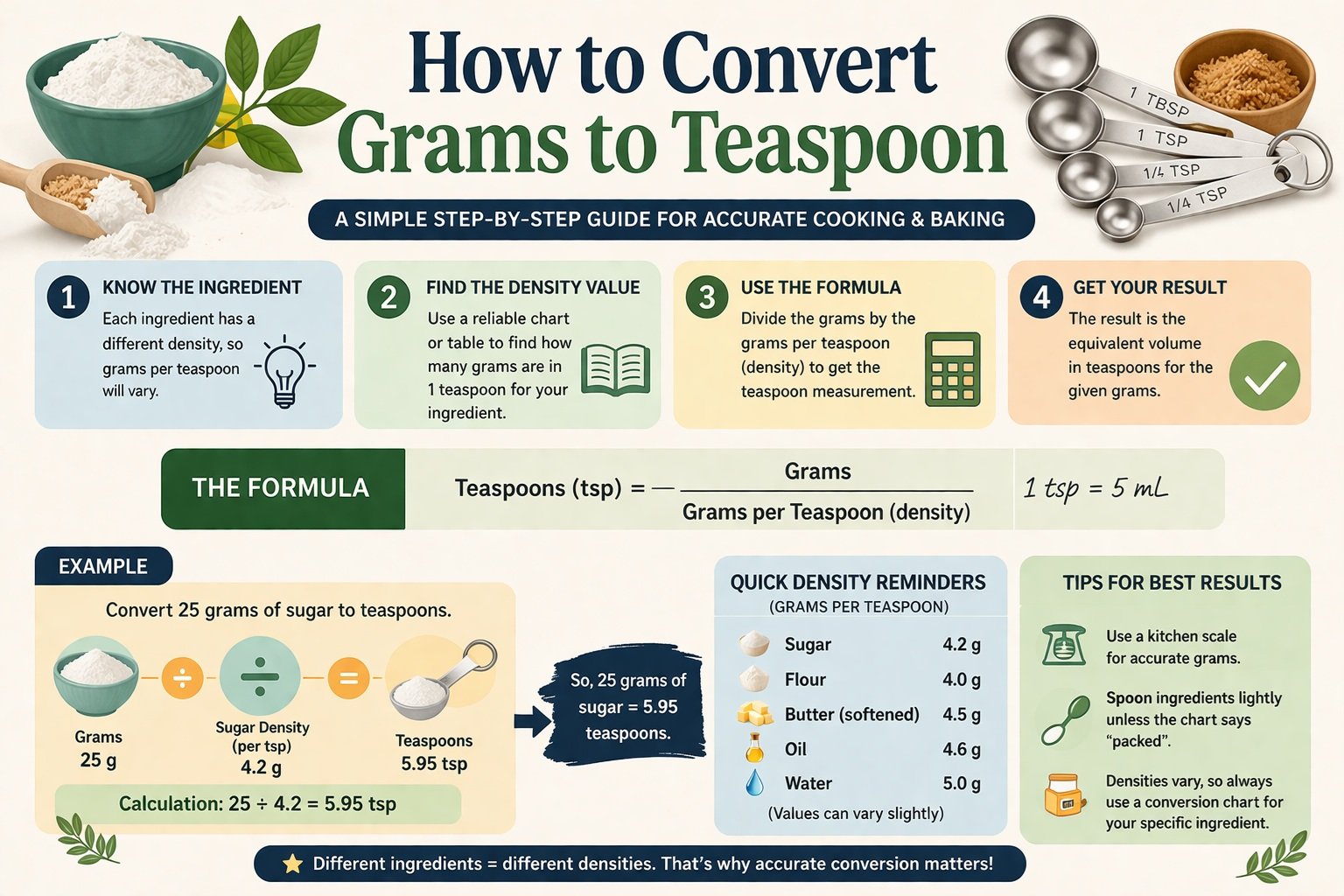
You’ve probably found yourself staring at a recipe, wondering, "What is one teaspoon in grams?" It’s a question that sparks endless kitchen confusion, yet it’s one of the most searched cooking conversions. Why? Because teaspoons are the universal pinch, dash, or scoop in households everywhere, but grams are the ruler of precision. Knowing this simple conversion is a game-changer for anyone who loves to cook, bake, or meal prep—especially when you realize that a teaspoon of salt and a teaspoon of sugar weigh completely different amounts. This small piece of knowledge can turn a chaotic kitchen into a confident one.
The real reason it matters boils down to consistency and health. For individuals, using grams instead of vague teaspoons helps you control sugar intake, manage sodium levels, and follow recipes like a pro. Think about your morning coffee: a flat teaspoon of sugar might be around 4 grams, but a heaping one could be 6 or 7 grams. Over a month, that difference can add up to hundreds of empty calories. For families, it means baking cookies that actually rise the same way every time, thanks to accurate measurements of baking powder (about 4.5 grams per teaspoon). Communities benefit too—when local cooking classes or meal-sharing programs adopt gram-based recipes, they reduce waste and improve nutrition for everyone.
Real-life examples make this conversion practical. Imagine you’re making a tomato sauce, and the recipe calls for a “teaspoon of oregano.” If you’re using dried flakes, that’s roughly 1.2 grams—but ground oregano is closer to 2 grams. Or consider a common health tip: “Limit added sugar to 6 teaspoons daily for women.” Translated into grams, that’s 24 grams of sugar. Suddenly, reading a nutrition label on a soda (which might contain 39 grams) becomes eye-opening. Another scenario: you’re following a keto recipe that demands exactly 2 grams of baking soda—that’s just under half a teaspoon. These small numbers make a huge difference in taste and success.
Must Read
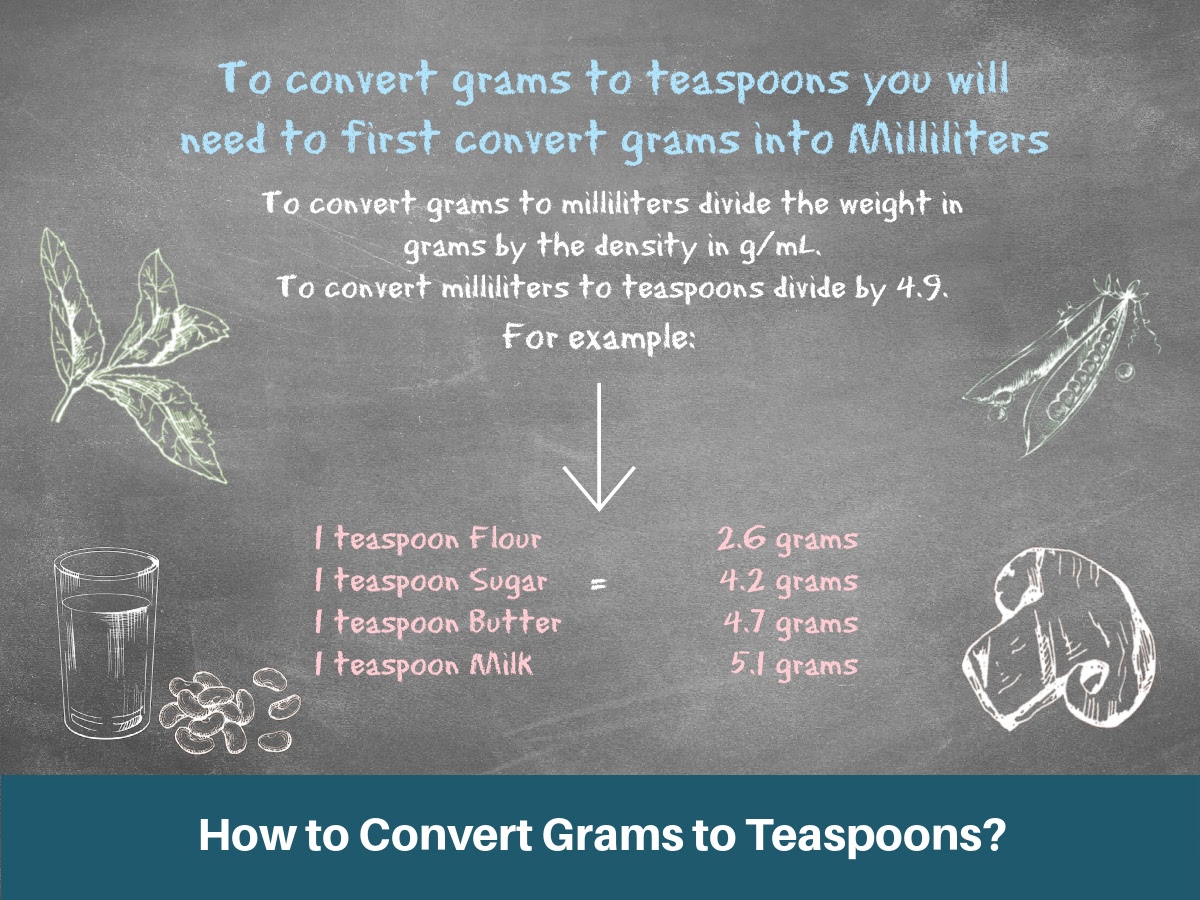
To apply this easily, start with a simple rule: 1 teaspoon of most powders or granulated ingredients equals about 4–5 grams. But don’t guess—invest in a small digital kitchen scale (they cost less than a latte). For everyday use, remember these shortcuts: salt = 5.7 grams per teaspoon, sugar = 4.2 grams, and flour = 2.5 grams. Print a conversion chart and stick it on your fridge, or save a photo on your phone. When cooking, always level off dry ingredients with a knife for accuracy—a heaped spoon can double the weight. Another pro tip: for liquids like vanilla extract, 1 teaspoon equals about 4.9 grams, but you can safely round to 5 grams for most recipes.
 1.5 Teaspoons Equals Milliliters – SCLH
The beauty of mastering this conversion is freedom. You’ll no longer fear foreign recipes, diet plans, or scale-only cookbooks. Need to cut a recipe in half? Grams make it simple—divide by two without worrying about awkward half-teaspoons. Want to double a marinade? Just multiply grams. For community cooking events, organizing ingredient lists by grams ensures everyone brings the same amounts, avoiding the “too salty” or “too sweet” disaster. It’s a small habit that builds trust in your own cooking and helps you teach others, from kids to grandparents.
In the end, understanding what one teaspoon weighs in grams isn’t about perfection—it’s about empowerment. It turns guesswork into skill, and recipes from intimidating to achievable. Whether you’re a busy parent, a health-focused individual, or just someone who loves delicious food, this tiny piece of knowledge is a giant leap toward better cooking. So next time you reach for that teaspoon, remember: a scale is your best friend, and 4 grams can change everything. Happy measuring!