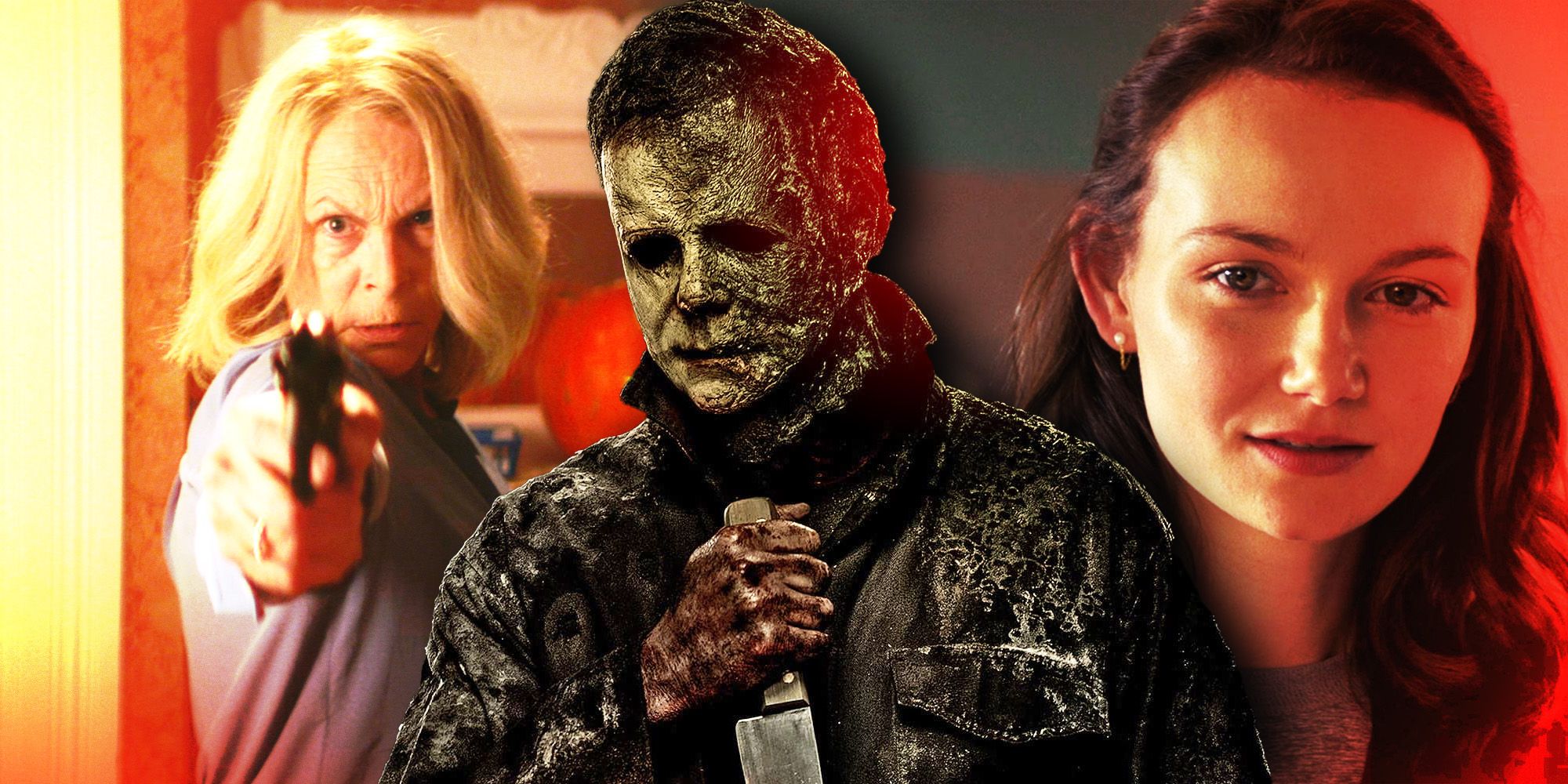
What Is Michael Myers Obsession With Laurie

There’s something genuinely fun about digging into the obsessive core of a classic horror franchise, especially when it comes to the baffling relationship between Michael Myer...

There’s something genuinely fun about digging into the obsessive core of a classic horror franchise, especially when it comes to the baffling relationship between Michael Myers and Laurie Strode. It’s a topic that horror fans love to debate over a coffee or while rewatching Halloween for the tenth time. Whether you’re a casual viewer who just enjoys the suspense or a die-hard fan mapping out every timeline, understanding this obsession adds a rich layer to the story. The main purpose of exploring it is to move beyond simple scares and into the psychological puzzle—why does this silent killer care so much about one babysitter? For filmmakers, it’s a masterclass in building tension; for writers, it’s a study in character motivation; and for fans, it’s the key to unlocking why the franchise works so well. The benefit is simple: you get more out of every rewatch, spotting clues you missed before.
At its core, the obsession isn’t about love, revenge, or even personal hatred—it’s about primitive response. In the original 1978 film, Michael is a force of pure evil, a shape that doesn’t speak or reason. So why Laurie? Director John Carpenter hinted that she wasn’t random; her panic, her running, her fight for life sparked something in him. He didn’t chase her because she was special in a good way, but because she reacted in a way that matched his primal drive. Think of it like a wolf fixating on the weakest deer in the herd—except here, Laurie isn’t weak; she’s just the one who notices him first. This makes her the focus, not the target of a grudge.
Fans often notice a fascinating variation in the sequels. In Rob Zombie’s reimagining, the obsession becomes more psychological: Michael and Laurie are siblings, tying his fixation to childhood trauma and family bonds. But in the 2018 direct sequel to the original, that sibling link is dropped, and the obsession morphs into something even creepier—a cosmic connection. He became catatonic in prison for forty years, yet as soon as Laurie’s name comes up, he awakens. That shift shows how the obsession can be rewritten to serve different horror tones: from psychological drama to fate-driven nightmare. Both versions offer a different kind of chill, which is why fans love comparing them.
Must Read
So how do you make the most of this knowledge? Start by watching the original Halloween with a new perspective. Pay close attention to the first half-hour: notice how Michael watches Laurie through windows and across streets before he ever attacks. He’s studying her, not just stalking her. Then, after the film, ask yourself a simple question: Would the movie be scarier if he targeted any other character, like Annie or Lynda? You’ll likely realize that Laurie’s quiet, ordinary life makes the violence feel more personal—and that’s the heart of the mystery.
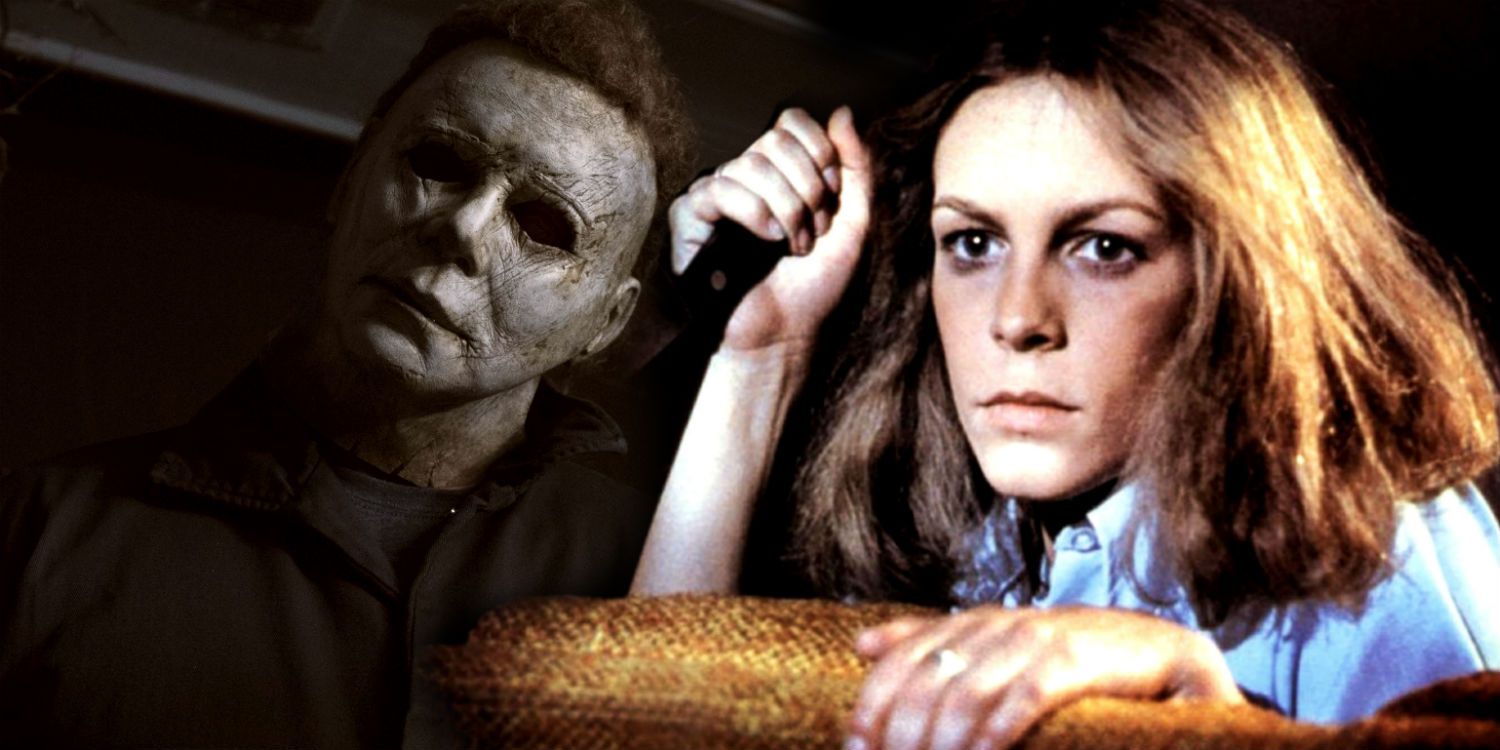 Are Laurie Strode And Michael Myers Related? – VJIPHE
For a practical tip, try comparing Laurie’s character to the sidekicks. Annie is loud and confident; Lynda is reckless. Laurie is the observer, the one who senses something wrong when others joke. This trait makes her a perfect foil for Michael, who is also an observer. They share a kind of silent awareness that the other characters lack. If you’re writing your own horror story, use this lesson: make your protagonist see the danger before anyone else does. It turns a random attack into an inevitable collision.
Finally, remember that the obsession isn’t meant to be fully explained. Horror thrives on ambiguity, and the best theories leave room for mystery. Some fans believe Michael is drawn to Laurie because she represents the family he tried to destroy; others see her as a symbol of survival he must crush. The most enjoyable approach? Embrace the uncertainty. Let each rewatch give you a new clue. Whether you view it as fate, pure evil, or a broken connection, the obsession with Laurie Strode is what turns a scary movie into a legendary one—and that’s why we keep talking about it all these decades later.