What Is In Sprinkles

So, there I was, standing in line at the local bakery, eyeing up the most perfect cupcake I'd ever seen. I mean, it was like a tiny, edible masterpiece. But then, I noticed so...
So, there I was, standing in line at the local bakery, eyeing up the most perfect cupcake I'd ever seen. I mean, it was like a tiny, edible masterpiece. But then, I noticed something that stopped me in my tracks - sprinkles. Now, don't get me wrong, I love a good sprinkle as much as the next person, but these weren't your average, run-of-the-mill sprinkles. They were... different.
I pointed them out to the baker, a friendly guy with flour dusting his apron. "What's in those sprinkles?" I asked, curiosity piqued. He chuckled, "Well, that's a story," he said, and proceeded to tell me about the magical world of sprinkles. And that, my friends, is how I ended up learning more about sprinkles than I ever thought possible. Let's dive in, shall we?
More Than Meets the Eye
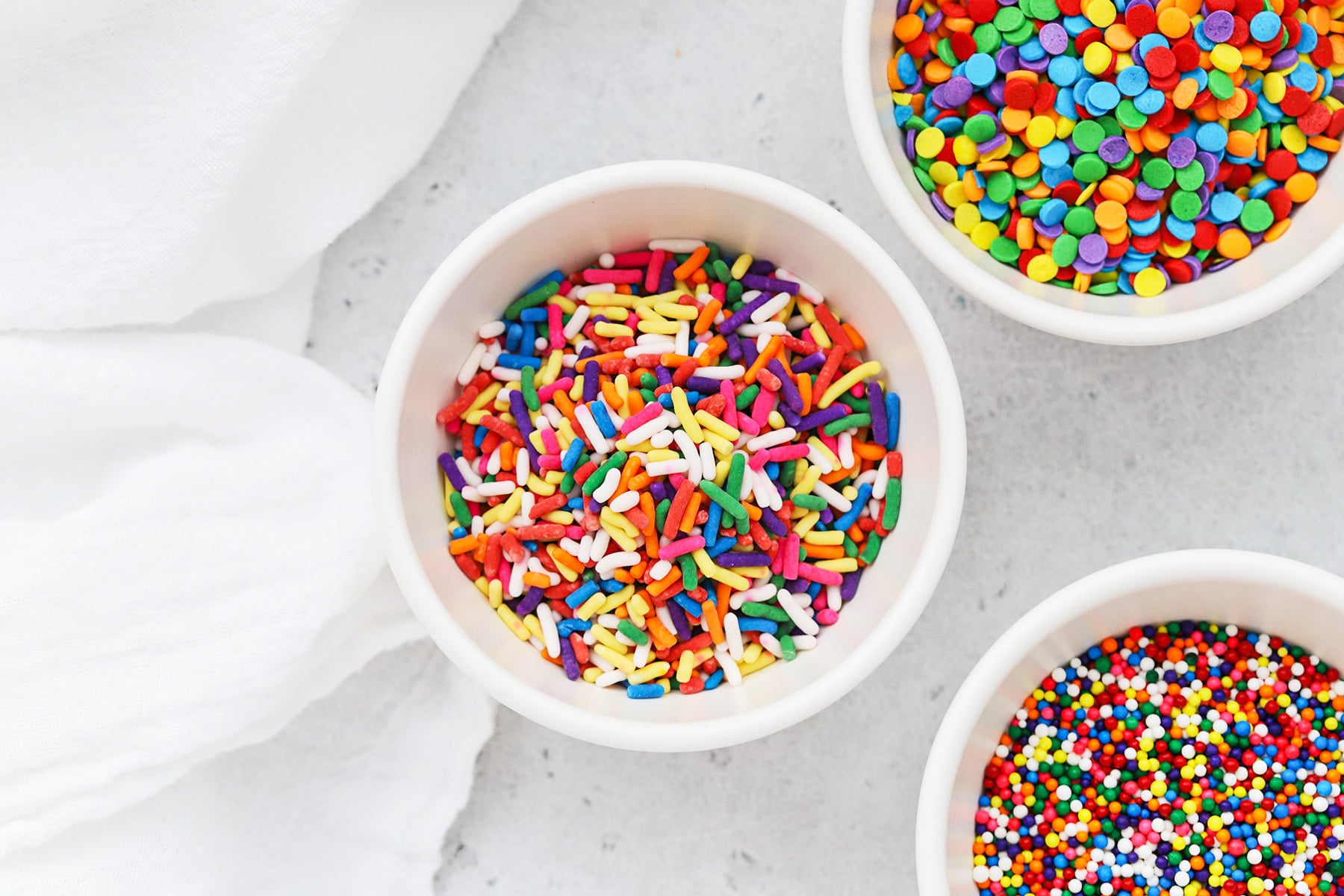
You might think sprinkles are just, well, sprinkles. But hold on to your hats, because they're actually a whole universe of flavor and color. You've got your classic round ones, your long jimmies, your nonpareils, and even those tiny little beads of sugar called sanding sugar. But what's in them? That's where it gets interesting.
Must Read
At their core, sprinkles are made from a simple combination of sugar, cornstarch, and food coloring. But it's the add-ins that make them truly special. Some sprinkles have cocoa powder for a chocolatey kick, others have fruit flavors like lemon or orange, and some even have edible glitter for a bit of sparkle.
Natural vs Artificial: The Great Sprinkle Debate
Now, you might be thinking, "That's all well and good, but what's the deal with natural and artificial colors?" Well, grab a cup of coffee, because this could get a bit heated. On one side, you've got your natural sprinkles, made with colors derived from plants and fruits. On the other, you've got your artificial sprinkles, made with lab-created colors.
Natural sprinkles are often praised for being, well, natural. They're usually free from artificial colors like Red 40 and Yellow 5, which some people prefer to avoid. But they can be a bit more finicky to work with, and their colors might not be as vibrant or long-lasting as their artificial counterparts.
Artificial sprinkles, on the other hand, are consistent and bright. They're also usually cheaper to produce, which can make them a popular choice for bakeries and cake decorators. But they can contain those artificial colors, which some people prefer to steer clear of.
 Sprinkles
Sprinkles: The Unsung Heroes of Baking
You might not think about it much, but sprinkles play a big role in the world of baking. They're not just there to look pretty (though let's be real, they do that too). They also add a little bit of texture and a whole lot of flavor.
Think about it - have you ever had a cupcake without sprinkles? It's just not the same. The sprinkles add that little bit of crunch, that pop of color, that hint of flavor that makes a baked good truly special. They're the unsung heroes of the baking world, and it's high time we give them the recognition they deserve.
Sprinkle Your Way
So, there you have it. Sprinkles might seem like a simple thing, but they're so much more. They're a world of flavor, color, and texture, all rolled up into tiny, edible packages. Whether you prefer your sprinkles natural or artificial, there's no denying that they're a vital part of the baking world.
So, the next time you're reaching for the sprinkles jar, take a moment to appreciate the magic inside. And hey, maybe even try out a new flavor or two. After all, the world of sprinkles is a big one, and there's always more to discover. Happy sprinkling!
