What Is Diet Chart For Weight Loss

Slimming Down, Spicing Up: Your Diet Chart for Weight Loss Ever felt like you're in a game of 'Guess the Calorie' every time you sit down to eat? It's time to simplify your w...
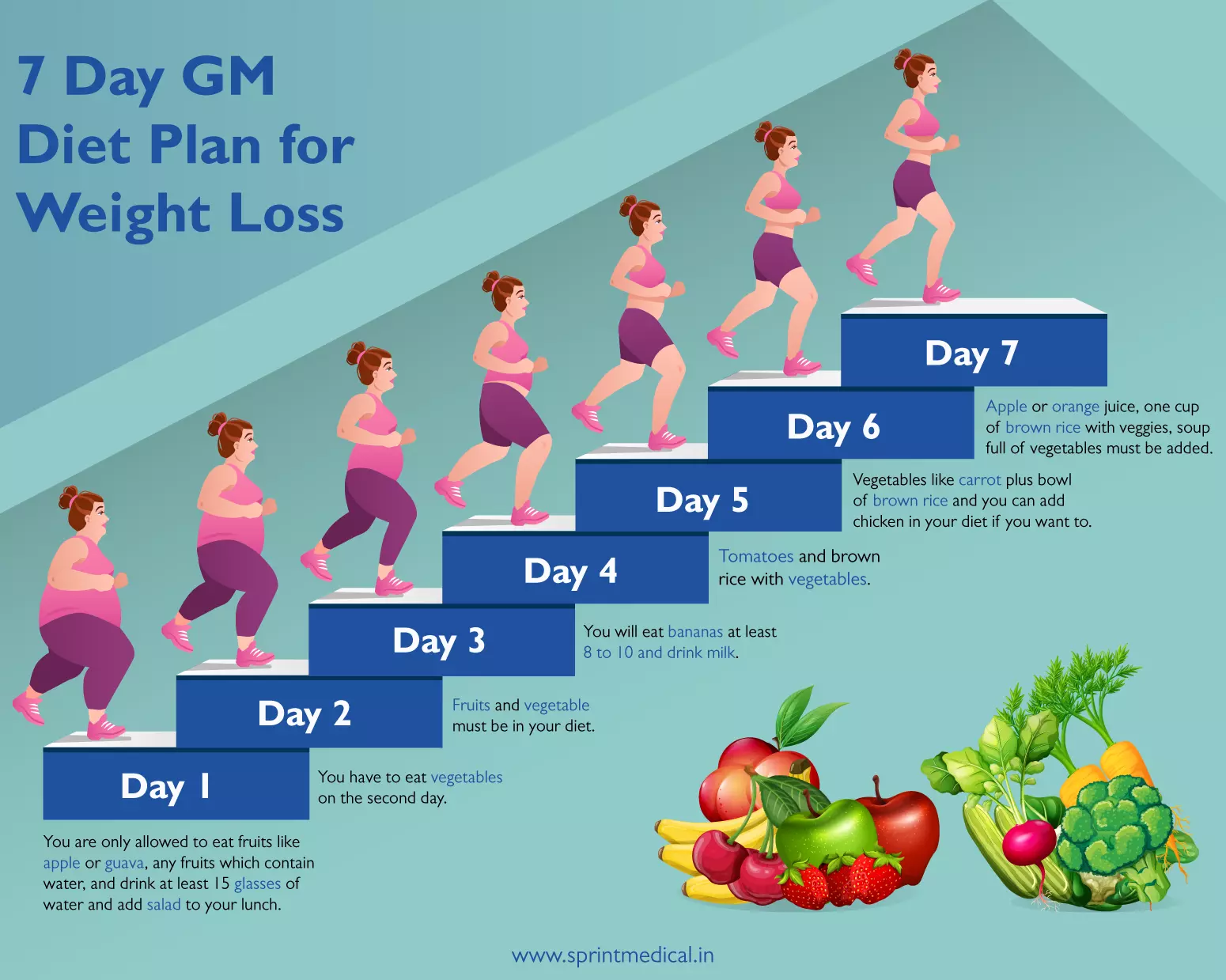
Slimming Down, Spicing Up: Your Diet Chart for Weight Loss
Ever felt like you're in a game of 'Guess the Calorie' every time you sit down to eat? It's time to simplify your weight loss journey with a personalized diet chart. Think of it as your own culinary roadmap, guiding you through the delicious world of healthy eating.
First Things First: What's a Diet Chart?
A diet chart, or meal plan, is your daily menu designed to help you lose weight in a healthy way. It's like your own personal chef, ensuring you get the right nutrients while keeping calories in check. No, it's not about starving yourself (who wants to be hangry all day?). It's about balance, variety, and yes, even fun!
Your Personalized Plan: How to Create Your Diet Chart
Creating your diet chart is like creating your own recipe for success. Here's a simple step-by-step guide:
Must Read
- Consult a Pro: Before you dive in, consult a registered dietitian or nutritionist. They'll consider your health, lifestyle, and goals to create a safe and effective plan just for you.
- Calculate Calories: Together, you'll determine your daily calorie needs. This is based on your age, sex, height, current weight, and activity level. Don't worry, you won't be eating like a bird!
- Macros Matter: Divide your calories into macronutrients - carbs, proteins, and fats. A balanced diet typically looks like 45-65% carbs, 10-35% protein, and 20-35% fat. But remember, everyone's different, so listen to your pro!
- Plan Your Meals: Now comes the fun part! Plan your meals and snacks for the day, ensuring you hit your macro goals. Include a variety of foods to keep things interesting and ensure you're getting all your nutrients.
What's on the Menu? A Day in the Life of a Diet Chart
Let's peek into a day on the Weight Loss Gourmet diet chart:
- Breakfast: Greek yogurt with mixed berries, a drizzle of honey, and a sprinkle of granola. (Carbs: 35g, Protein: 15g, Fat: 5g)
- Morning Snack: A small apple with a tablespoon of almond butter. (Carbs: 20g, Protein: 2g, Fat: 8g)
- Lunch: Grilled chicken salad with mixed greens, cherry tomatoes, cucumber, and balsamic vinaigrette. (Carbs: 15g, Protein: 35g, Fat: 15g)
- Afternoon Snack: A cup of low-fat cottage cheese with sliced peaches. (Carbs: 10g, Protein: 14g, Fat: 2g)
- Dinner: Baked salmon (4 oz) with a side of quinoa (1/2 cup cooked) and steamed broccoli. (Carbs: 20g, Protein: 35g, Fat: 15g)
- Evening Snack (optional): A cup of non-fat Greek yogurt with a handful of mixed nuts. (Carbs: 10g, Protein: 15g, Fat: 10g)
See? Healthy eating can be delicious and varied. No more boring salads!
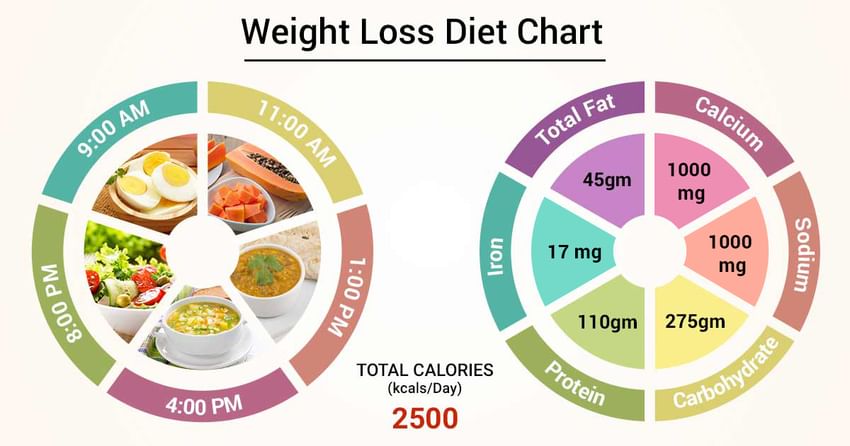 Diet Chart For Weight loss Patient, Weight Loss Diet chart | Lybrate.
Tips from the Trenches: Making Your Diet Chart Work for You
Here are some tips to make your diet chart a success:
- Track Your Progress: Use a food journal or app to track your meals and macros. It's like keeping a food diary, but with more numbers and less feelings.
- Plan Ahead: Sunday meal prep is your friend. Spend an hour cooking and portioning out meals for the week. Your future self will thank you!
- Indulge (Sometimes): Life's about balance, right? A cheat meal once a week won't derail your progress. Just don't make it a cheat day.
- Stay Hydrated: Drink plenty of water. It keeps you full, aids digestion, and helps your body function at its best.
Reflection: The Journey is the Destination
Creating a diet chart isn't just about losing weight. It's about learning to nourish your body, understanding what fuels you, and discovering new foods along the way. It's a journey of self-discovery, one meal at a time. So, embrace the process, enjoy the food, and watch as your healthy lifestyle unfolds.
And remember, you're not just creating a diet chart. You're creating a lifestyle chart. One that's filled with flavor, variety, and most importantly, you.
