What Is Brine Used For

Ever wondered what makes your fries crispy, your pickles tangy, or your turkey moist on Thanksgiving? The secret ingredient might just be hiding in your pantry - brine! Now, b...
:max_bytes(150000):strip_icc()/all-about-brining-331490-v5-HL1-5bf5856246e0fb00516b3654.png)
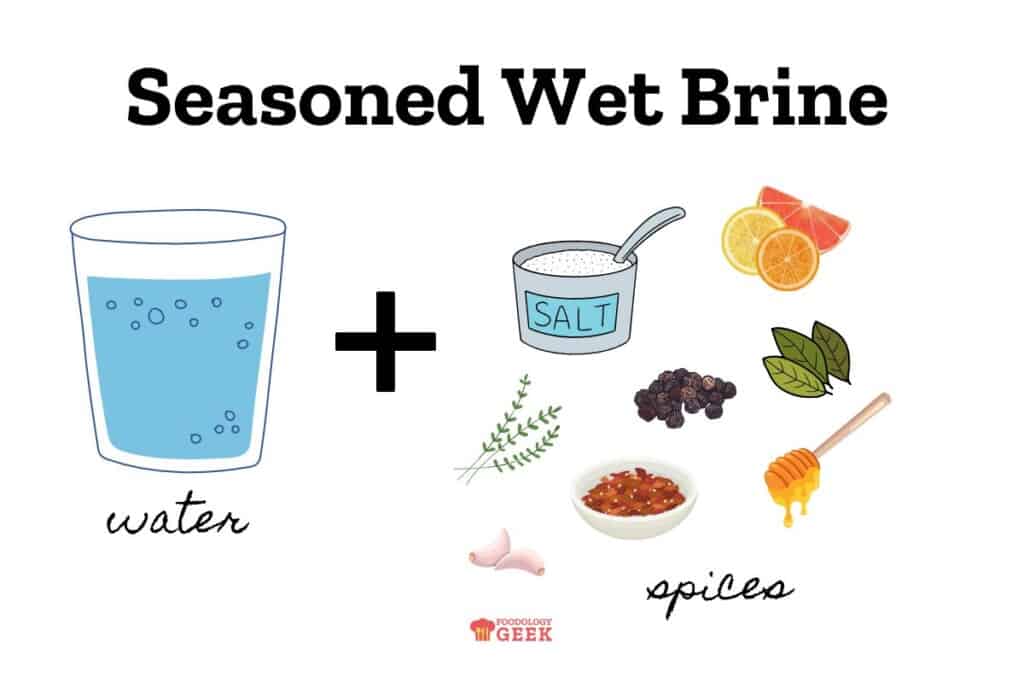
Ever wondered what makes your fries crispy, your pickles tangy, or your turkey moist on Thanksgiving? The secret ingredient might just be hiding in your pantry - brine! Now, before you start imagining a tiny, salty elf, let's clear the air. Brine isn't some magical potion; it's simply a mixture of water and salt, sometimes with other seasonings thrown in. But don't underestimate it - this humble combo packs a powerful punch in the kitchen.
So, What's the Big Deal About Brine?
Brine is like the unsung hero of the culinary world. It's not flashy, but it sure gets the job done. Here's why you should care about it:
- It makes food taste better - Brine seasons food from the inside out. When you soak meat or vegetables in brine, the salt breaks down proteins, allowing flavors to penetrate deep into the food.
- It keeps food moist - Brine helps retain moisture in food, preventing it from drying out during cooking. No more tough, dry turkey or overcooked vegetables!
- It's easy and cheap - Brine is incredibly easy to make and uses ingredients you probably already have. It's a budget-friendly way to elevate your meals.
Let's Get Briny!
Now that you're convinced (I hope!), let's dive into some fun ways to use brine at home. Think of it as a culinary adventure, where you're the intrepid explorer, and your kitchen is the exciting destination.
Must Read
Brine Your Turkey
Forget about those scary-looking injection needles. A simple brine can make your Thanksgiving turkey the talk of the town. Here's a quick recipe:
1 cup kosher salt
1 gallon water
1/2 cup brown sugar
1 tbsp black peppercorns
1 tbsp thyme
1 tbsp rosemary
Dissolve the salt in the water, then add the rest of the ingredients. Submerge your turkey in the brine, refrigerate for 8-12 hours, then cook as usual. Your turkey will be moist, flavorful, and ready for its close-up.
Pickle Your Veggies
Pickling isn't just for cucumbers. You can pickle almost any vegetable, from carrots to green beans to radishes. Here's a simple brine recipe to get you started:
1 cup water
1 cup vinegar
1 tbsp salt
1 tbsp sugar
1 tsp peppercorns
1 tsp mustard seeds
Combine the ingredients, heat until the salt and sugar dissolve, then let it cool. Pour the brine over your veggies, refrigerate, and wait for the tangy goodness to develop. Your homemade pickles will be a hit at picnics and parties!
 How To Brine—The Ultimate Guide - Foodology Geek
Cure Your Own Meat
Brine isn't just for soaking; it can also be used to cure meat. Curing is an ancient method of preserving food by drawing out moisture and adding salt. It's how we get delicious treats like bacon, prosciutto, and pastrami. Here's a simple recipe for cured salmon:
1 cup kosher salt
1/2 cup sugar
1 tbsp peppercorns
1 tbsp dill
1 salmon fillet
Mix the salt, sugar, peppercorns, and dill. Rub the mixture onto the salmon, place it in a zip-top bag, and refrigerate for 8 hours. Rinse off the cure, pat dry, and slice. Your homemade gravlax will be a showstopper at brunch!
Brine On, Friends!
So there you have it - the lowdown on brine. It's not glamorous, but it's incredibly useful. Whether you're brining your turkey, pickling your veggies, or curing your own meat, you're now a brine whisperer. Embrace your newfound power, and get briny!
Remember, the key to great brine is balance. Too much salt, and your food will be too salty. Too little, and it won't have much effect. Start with a simple brine, then experiment with different seasonings and ratios. The world of brine is your oyster (or turkey, or pickle, or salmon - you get the idea).
Now go forth, brine enthusiast, and make your kitchen the tastiest place on the block. Your taste buds will thank you!
:max_bytes(150000):strip_icc()/all-about-brining-331490-v5-HL1-5bf5856246e0fb00516b3654.png&description=What+Is+Brine+Used+For)