What Is Below Freezing In Fahrenheit

Welcome to the chilly, thrilling world of below freezing in Fahrenheit! If you’ve ever wondered why your car won’t start on a frosty morning, or why puddles turn into perfect...
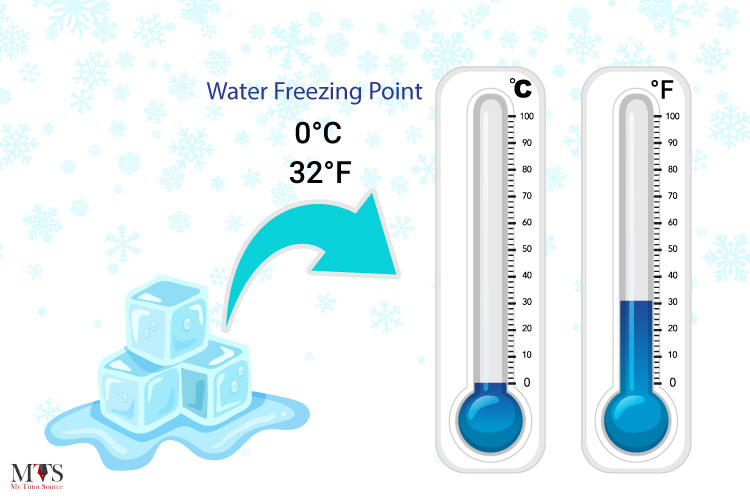
Welcome to the chilly, thrilling world of below freezing in Fahrenheit! If you’ve ever wondered why your car won’t start on a frosty morning, or why puddles turn into perfect skating rinks, this is for you. Understanding what happens when the mercury dips below 32°F isn’t just for meteorologists or polar explorers—it’s a superpower for everyday life. You’ll know when to protect your pipes, when to bring in your pets, and even when to make the best ice cream for a party. This knowledge turns a simple temperature number into a tool for safety, fun, and clever planning. So grab a hot cocoa, and let’s explore the magic of weather that’s cold enough to freeze a smile—literally!
The purpose of the “below freezing” marker is simple: it’s the point where water changes from a liquid to a solid. In Fahrenheit, that’s 32°F. Anything lower means water—whether in clouds, lakes, or your garden hose—starts to crystalize. Why does this matter? Because water is everywhere: in our bodies, our homes, and our environment. When it freezes, it expands, which can crack concrete, burst pipes, and turn roads into slides. The advantage of knowing this is huge: you can prevent costly repairs, avoid accidents, and even use the cold to your benefit. For instance, a freezer set to 0°F keeps food safe for months, while a winter camping trip at 20°F requires different gear than one at 40°F. Seeing the thermometer slide down isn’t scary—it’s a message about what to wear, do, and expect.
Now, let’s have some fun with creative ideas. Imagine you’re planning a “Freeze-Art Party.” When the temperature drops to 10°F or lower, you can fill baking pans with water, drop in food coloring, leaves, or tiny toys, and leave them outside overnight. By morning, you’ll have glittering ice suncatchers to hang from trees. Or try making “ice cubes on steroids” by freezing juice or soda in balloons—peel them off and you’ve got giant flavored ice balls for summer parties (if you can wait that long!). Another idea: on a day when the forecast says -5°F, boil water in a pot, then toss it outside. It will instantly turn into a cloud of freezing steam, like a wizard’s spell. This works because the water is far above the air temperature, so it evaporates and condenses into ice crystals. Just don’t try this indoors—the steam can burn you!
Must Read
Of course, below-freezing weather also comes with practical wisdom. One of the best tips is to protect your home’s “four P’s”: pipes, plants, pets, and people. For pipes, let faucets drip slightly—a slow trickle—because moving water is harder to freeze. Wrap outdoor spigots and cover any exposed plumbing with foam insulation. For plants, bring sensitive potted trees inside, or cover garden beds with a heavy blanket or tarp. For pets, remember that if it’s 20°F or colder, short-haired dogs need a jacket, and no animal should be left outside for more than a few minutes. And for people, dress in layers: a moisture-wicking base, an insulating middle (like fleece), and a windproof outer shell. Avoid cotton, because once it gets wet, it loses all heat. Frostbite can set in just minutes at 0°F with wind, so keep ears, fingers, and toes covered.
Let’s talk about a creative twist: baking in the cold. Yes, you can use below-freezing temperatures to make quick yeast breads. Mix your dough, let it rise in a warm spot, then shape it and place it outside in 15°F weather for 10 minutes. The cold stops the yeast from over-proofing while creating a crisp crust. Or try “freezer jam” made without cooking—just mash berries, add sugar and pectin, and spoon into containers placed outside at 20°F. The cold sets the jam without heating, preserving a fresher taste. For a fun science lesson with kids, set out a bowl of water at 30°F and watch what happens—it stays liquid for a while because water needs a “seed” (like dust or a scratch) to start freezing. Tap it with a metal spoon, and boom—instant slush!
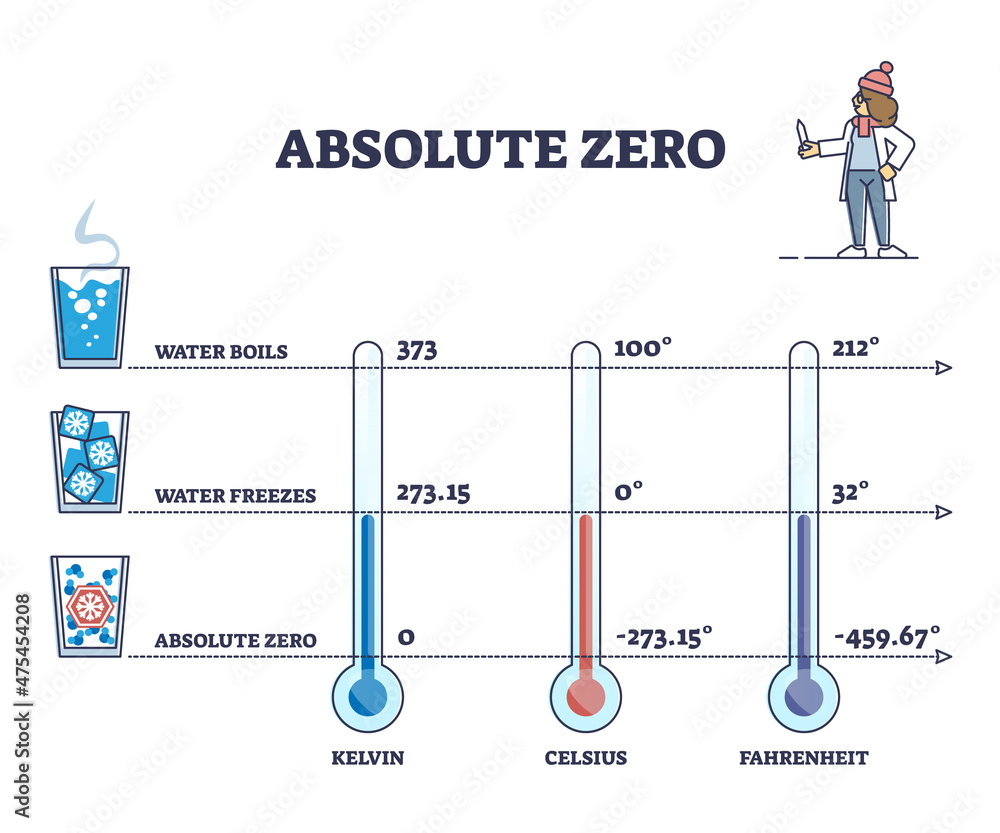 Vettoriale Stock Absolute zero as lowest temperature limit for water
Here’s a vital practical tip for travelers and adventurers: know the “wind chill factor.” Fahrenheit temperatures below freezing feel even colder when wind is blowing. For example, 10°F with a 20 mph wind feels like -9°F. That’s dangerous for exposed skin. Always check both the actual temperature and the wind chill before heading out. Another lifesaver: keep an emergency kit in your car with a blanket, hand warmers, a flashlight, and a bag of cat litter (for traction on ice). If you get stranded, run the engine only for 10 minutes per hour to save gas and prevent carbon monoxide buildup. And never pour hot water on a frozen windshield—it will crack the glass. Instead, use a plastic scraper and de-icing spray (or mix rubbing alcohol with water in a spray bottle) to melt frost.
Finally, remember that below freezing is a gateway to winter’s treasures. It’s the perfect moment for ice fishing (when ice is at least 4 inches thick), snowshoeing on fresh powder, or simply marveling at how ice crystals form on your window overnight. Check the forecast for a night with 20°F to 25°F and light wind—that’s ideal for making “perfect snow” for a snowman (it packs without being too watery). And if you’re ever feeling stuck inside, turn a cold snap into a cozy challenge: bake cookies, brew spiced tea, and watch a movie about polar bears. The truth is, understanding what “below freezing” means—and how to harness it—turns a frosty forecast from a nuisance into a source of adventure, creativity, and safety. So next time the thermometer shivers down to 31°F, smile: you’ve got the tools to enjoy the cold, not just endure it.

