What Is Artificial Crab Meat Made Of

So, you’re at a sushi joint, staring at a California roll. That pinkish-orange lump on top looks like crab, but your wallet knows better. You ask yourself: What is this fake c...
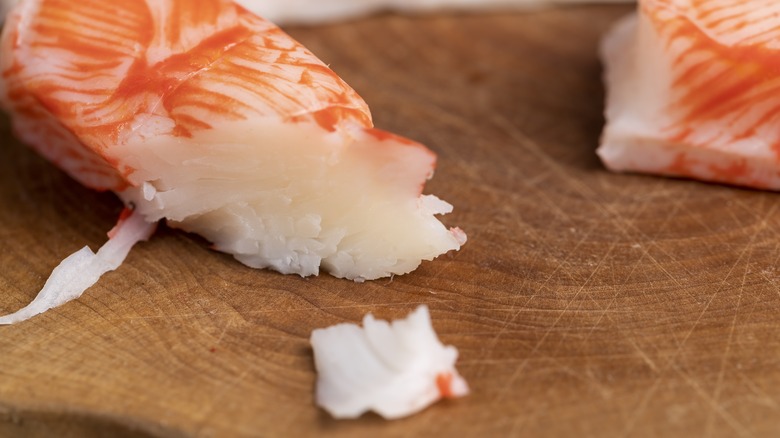
So, you’re at a sushi joint, staring at a California roll. That pinkish-orange lump on top looks like crab, but your wallet knows better. You ask yourself: What is this fake crab stuff, really? Welcome to the wild world of surimi, the Frankenstein’s monster of seafood.
Here’s the cold, hard truth: it’s not crab at all. Most imitation crab is made from a white fish, usually Alaskan pollock—the same fish you find in fish sticks. That’s right: you’re eating the Michael Jordan of bland, cheap fish that was destined for a kid’s happy meal.
The process is like a bizarre cooking show. They grind the fish into a paste, wash it until it’s a boring white blob, then add sugar and salt to make it last forever. Seriously, that blob has a longer shelf life than your college roommate’s leftovers.
Must Read
The Secret Sauce of Surimi
To turn fish paste into “crab,” they add starch, egg whites, and vegetable protein. Think of it as the duct tape of the food world. Then comes flavoring—crab extract, artificial flavors, and a squirt of red food coloring to give it that “I’ve been sunbathing” look.
But wait: they also use sorbitol, a sugar alcohol that keeps it moist. You know what else uses sorbitol? Toothpaste. So yes, you might be eating something that doubles as a plaque-fighting agent. Minty fresh, anyone?
The texture? That comes from a heat-setting trick. They slice the paste into long strips, dye the edges red, and steam it. The result is a flaky, stringy mock-crab that would fool a hungrier, less observant version of you.
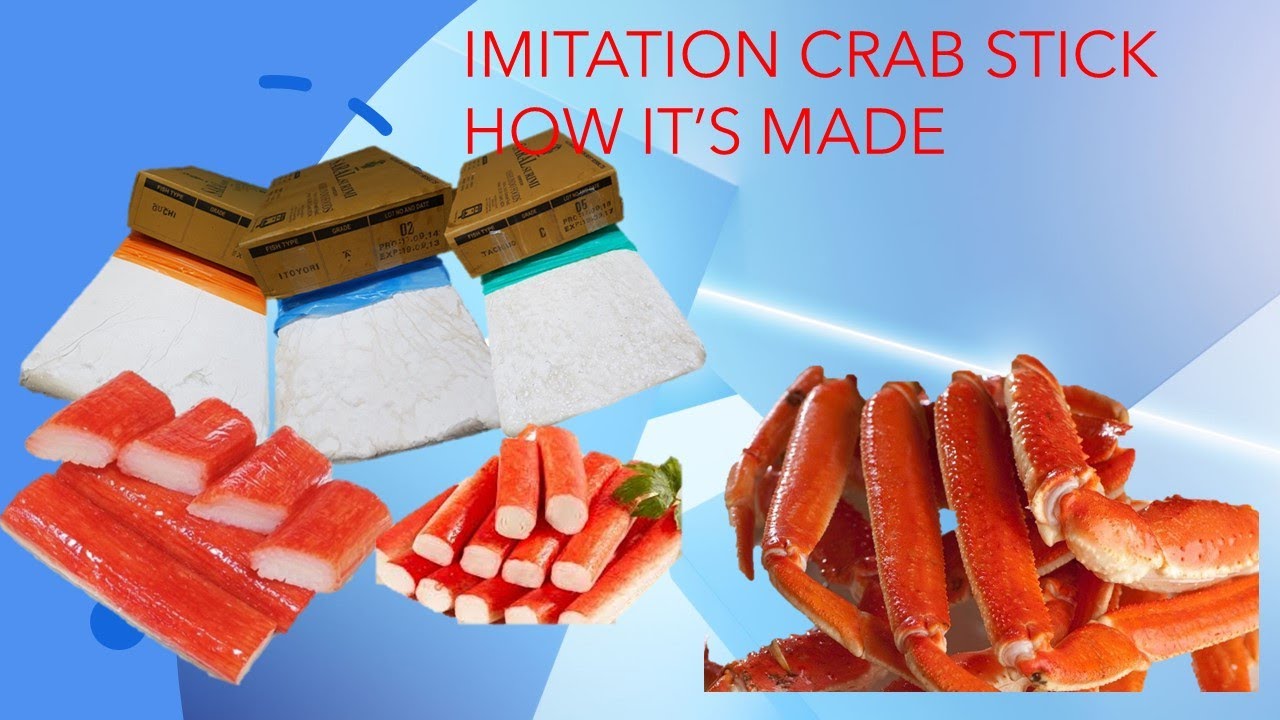 IMITATION SCRAB STICK - HOW IT'S MADE - YouTube
Is It Healthier Than Real Crab?
Short answer: nope. Real crab is a protein superstar with selenium and B12. Imitation crab is more like a sports car with a lawnmower engine. It has less protein and more carbs from that sneaky starch and sugar.
But here’s a shocking fact: a serving of imitation crab has about the same calories as real crab. The trade-off? You lose out on omega-3s. Pollock has some, but surimi is so processed that most swim away during washing.
On the plus side, it’s cheap and low in mercury. You can eat a mountain of this stuff without worrying about glowing in the dark. Your walet will thank you, even if your taste buds aren’t sure they got a promotion.
The “Crab” That Fooled the World
Surimi was invented in Japan over a thousand years ago. Monks wanted to stretch their fish protein like a yoga instructor on caffeine. The modern version boomed in the 1970s when Americans wanted “fancy” seafood without the price tag.
 What Is Imitation Crab Made of, Exactly? Here's What to Know
Here’s a fun party fact: imitation crab is the most common ingredient in “crab cakes” sold at restaurants. So next time you order one, you might be eating fish-flavored marshmallows with breadcrumbs. Bon appétit!
And that coloring? It’s usually carmine—crushed cochineal beetles. Yes, you’re nibbling bug juice. But hey, it’s organic! And it’s really hard to get that shade of crab-red without a little insect homicide.
How to Spot a Fake
Real crab legs are curvy and look like alien fingers. Imitation crab comes in uniform sticks or flakes that look like someone photocopied a crab claw. Real crab smells like the ocean; fake crab smells like a hot dog stand.
If you flip the package over, look for “surimi” in the ingredients list. That’s the giveaway. Also, if it’s in the frozen section and costs less than a latte, you’re dealing with the impostor.
 What is imitation crab meat made of? - Business Insider
But here’s the kicker: some “imitation” crab isn’t even labeled properly. In many grocery stores, it sits right next to real crab and costs half the price. It’s the Clark Kent of seafood—a mild-mannered reporter fish in a superhero’s cape.
The Verdict: Should You Eat It?
Look, imitation crab is safe, cheap, and weirdly addictive. It’s great in a salad if you want to pretend you’re eating healthy while shoveling down what is essentially fish candy. But don’t serve it at a fancy dinner and claim it’s Alaskan king crab—your guests will know.
Unless you have a gluten or sugar sensitivity, there’s no reason to fear it. It’s just processed fish paté with a makeup job. And honestly, in a world of lab-grown meat and edible insects, a little fish paste dressed in beetle juice is practically old-school.
So go ahead, grab that California roll. Just remember: you’re not eating the ocean’s royalty. You’re eating the ocean’s awkward, bargain-bin cousin who shows up to the party with a bag of chips and a dentist-approved smile.
