What Is Artificial Crab Meat Made From

You've seen it at the grocery store, sitting there in neat white rows behind the glass. Or maybe you've scooped it onto a cracker at your cousin's wedding reception and though...

You've seen it at the grocery store, sitting there in neat white rows behind the glass. Or maybe you've scooped it onto a cracker at your cousin's wedding reception and thought, "Wow, this crab is surprisingly good." But here's the thing — that might not have been crab at all.
Surimi, the fancy word for artificial crab meat, has been quietly living in our kitchens for decades. And before you feel cheated by the seafood industry, let's have an honest, friendly chat about what's actually inside that little pink-and-white flake.
So What Exactly Is It Made Of?
Surimi is mainly made from white fish, like pollock, though it can include other mild-flavored fish too. The fish are ground up, washed, and mixed with starch, egg whites, and flavorings. Add a splash of natural food coloring and you've got yourself something that looks remarkably like the real deal.
Must Read
If you've ever eaten fish sticks or fish balls, you already know the texture. It's soft, slightly springy, and honestly pretty satisfying on a salad or in a sushi roll. The closest everyday comparison would be thinking of it as a fish-based impostor that everyone secretly enjoys anyway.
The Surprising History Behind It
Nobody sat down and invented this stuff overnight. Surimi has been around for centuries, actually fishing its roots back to 12th-century Japan. Imagine your great-great-great-great-grandmother grinding fish to trick her family into eating something more durable — humans have always been clever with food.
The modern version we know today emerged in the 1960s when Japanese engineers figured out how to preserve it for shelf life. Fast forward, and now it shows up on dinner tables across the world. From your grandmother's tuna casserole experiment to the sushi bar downtown, it's been everywhere.
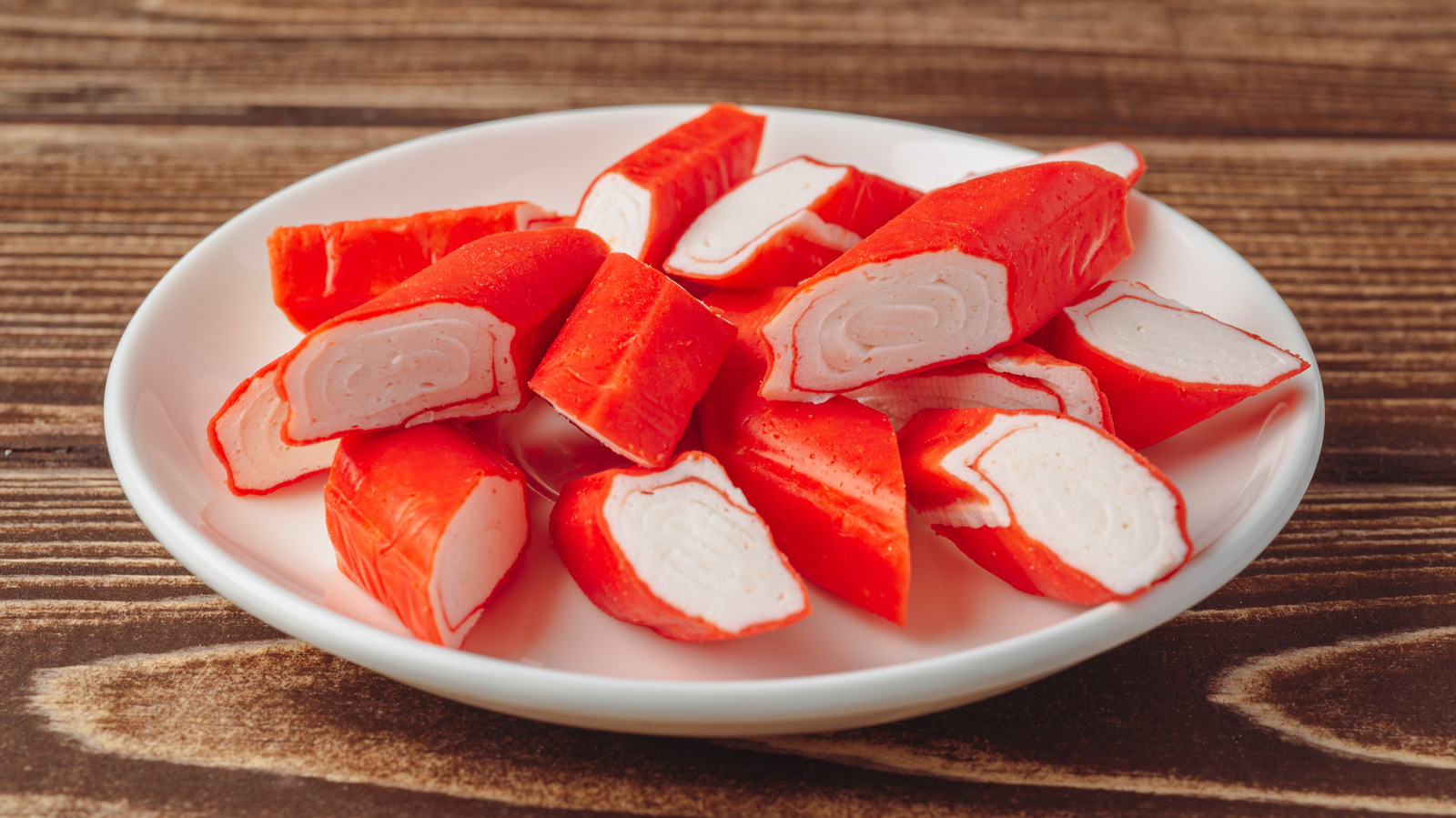 Imitation Crab Legs
Why Should You Even Care?
Here's where it gets fun. Knowing what's in your food makes you a smarter shopper, and that's never a bad thing. You wouldn't blink if someone told you corn syrup was in your favorite soda — so why not know the same about your "crab" cake?
Think about it this way: some people buy assimilated crab meat because it's cheaper and sustainable. Others prefer real crab because supporting fishermen matters to them. Neither choice is wrong, but at least you get to choose with your eyes open instead of stumbling around blindfolded.
Last summer, my neighbor Linda told me she'd been feeding her kids what she thought was expensive crab sticks. When she learned it was surimi, she wasn't upset — she actually laughed. "Well," she said, "at least now I know why my kids finally ate something with protein."
 Here’s what imitation crab meat is really made of - YouTube
The Ingredients Rundown
Let's keep it simple with a quick list: white fish, water, potato starch, egg whites, sugar, salt, and food coloring. Some brands toss in soy protein or pea starch for extra structure. The overall result? Something that holds together on a fork and tricks your brain into thinking beach vacation.
Artificial crab meat also contains flavor enhancers like natural crab flavoring — nothing too mysterious, just lab-confirmed seasoning. It's nutritionally harmless for most people, though anyone with shellfish or fish allergies should read labels carefully. The game of tag between honesty and indulgence continues, but at least the ingredient list is never hiding.
Who Actually Uses This Stuff?
Giant seafood restaurants, casual chain diners, and that cozy neighborhood takeout spot all know that surimi keeps costs down. If you've ever had a seafood pasta at a midrange restaurant and thought it tasted a little too perfectly, you might've had your answer right there.
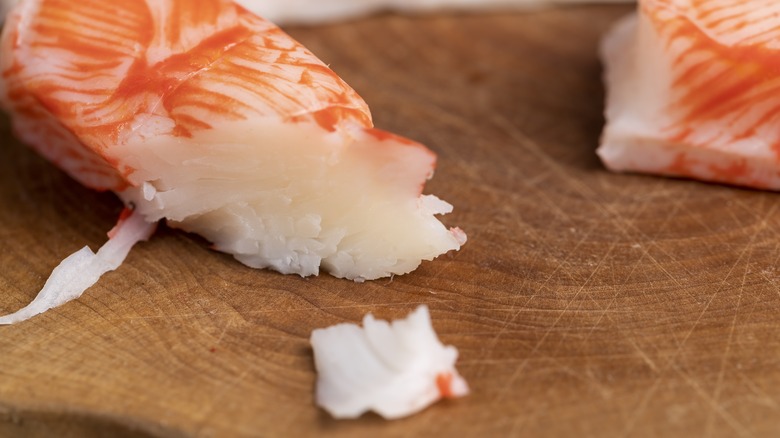 What Is Imitation Crab Made Of?
It also shows up in sushi deployments — essentially, those convenient California rolls at your local grocery deli. Synthetic crab, ground fish, and a little artistry tucked neatly under seaweed wrap. Together, this small world of fish-based license raises an interesting question about enjoyment versus authenticity.
If you've ever felt a little guilty about ordering the "real" thing when it's actually surimi, you're in excellent company. Most of us have had that moment, and honestly? Awareness is the new culinary power. Now that you know what artificial crab meat is made from, you can pick which side of this never-ending battle you want to be on — without any guilt attached.
