What Is A Safe Rate Of Weight Loss

So, there I was, standing on the scale, staring at the needle like it was a crystal ball predicting my future. I'd been on this new diet for a week, and I was expecting to see...
So, there I was, standing on the scale, staring at the needle like it was a crystal ball predicting my future. I'd been on this new diet for a week, and I was expecting to see a miracle. But no, the number hadn't budged. I felt deflated, like a balloon after a kid's birthday party. That's when it hit me, I'd been going about this all wrong. I was expecting weight loss to happen overnight, like magic. But we all know, magic only happens in movies, right? Sigh
Now, I'm not a doctor, nor do I play one on TV. But I've been around the weight loss block a few times, and I've learned a thing or two. Today, I'm here to chat about something that's super important but often overlooked - the safe rate of weight loss. You might be thinking, "Duh, of course, I want to lose weight safely!" But stick around, because it's not as straightforward as you might think.
So, what's this safe rate of weight loss everyone's talking about?
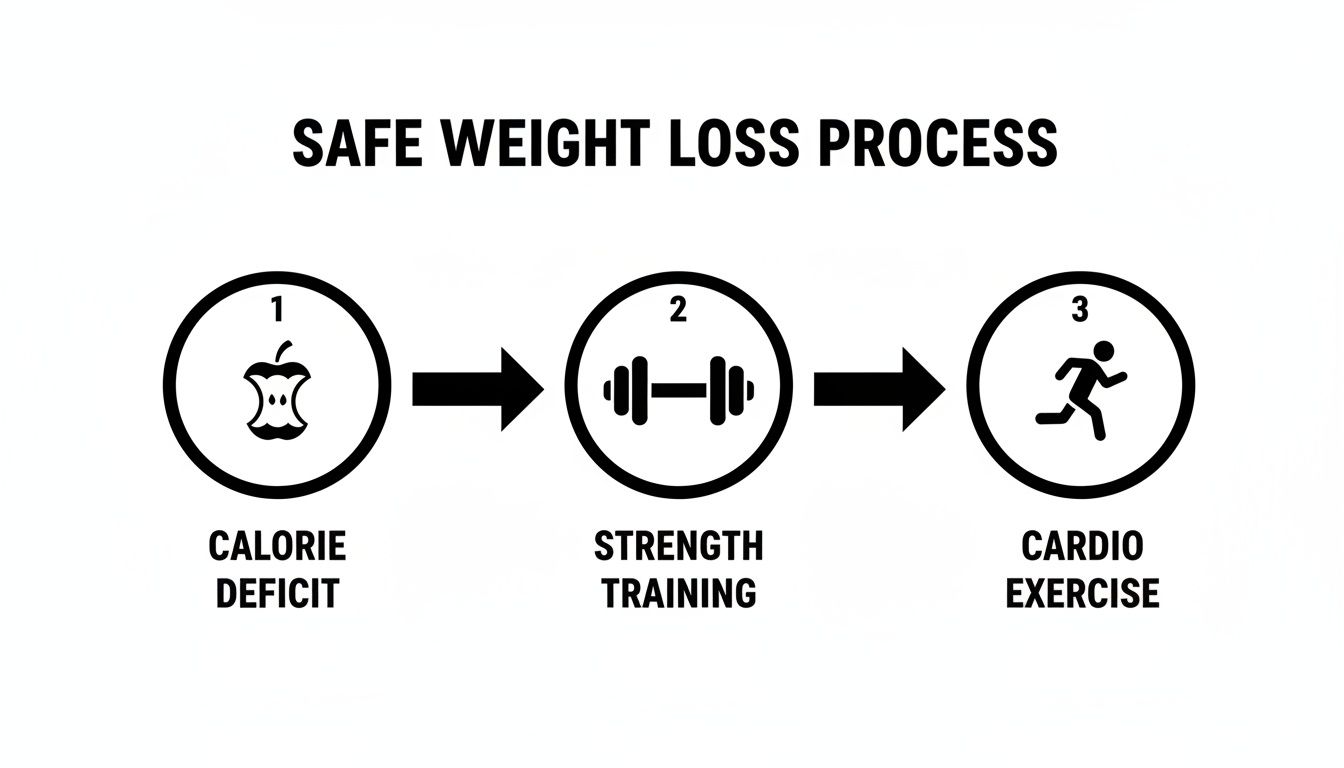
Alright, let's dive in. The safe rate of weight loss is typically considered to be about 1-2 pounds per week. Now, I know what you're thinking, "That's it? I'll be 90 by the time I reach my goal weight!" I feel you, I really do. But hear me out, because this slow and steady approach has some serious benefits.
Must Read
Why slow and steady wins the race
First off, losing weight at a safe rate helps you keep it off. When you lose weight too fast, your body goes into survival mode and holds onto every calorie it can. But with a slow and steady approach, your body adapts to the changes, and you're more likely to keep the weight off in the long run. Plus, it's way easier to stick to a plan when you're not feeling deprived or hungry all the time, right?
But here's the thing, everyone's different. Some people might lose weight faster than others, and that's okay. The key is to find what works for you and makes you feel good. It's not about the number on the scale, it's about how you feel and how you're treating your body.
But what if I want to speed things up?
I get it, we're all impatient, especially when it comes to our reflection in the mirror. But before you start cutting out entire food groups or exercising like a maniac, let's talk about sustainability. Losing weight too fast can lead to muscle loss, fatigue, and other not-so-fun side effects. Plus, it's just not sustainable. You might lose the weight, but you'll gain it right back as soon as you go back to your old habits.
Instead of trying to rush the process, focus on making sustainable changes that you can stick to in the long run. That might mean starting with small changes, like adding an extra veggie to your dinner or going for a walk after work. Every little bit counts, and it all adds up to big changes over time.
 Re-evaluating The Rate Weight Loss and Weight Regain. | by JJ Lim, PhD
Listen to your body, it's got a lot to say
Here's the thing, weight loss isn't just about the numbers. It's about how you feel, both physically and mentally. If you're feeling tired, hungry, or just plain miserable, something's not right. It's okay to take a step back and reassess your plan. Remember, this is a journey, and it's okay to make adjustments along the way.
And hey, if you're ever feeling stuck or unsure, don't hesitate to reach out to a professional. They can provide personalized advice and help you stay on track. After all, we're all in this together, and there's no shame in asking for a little help.
So, what's the takeaway here?
Alright, let's wrap this up. The safe rate of weight loss is about 1-2 pounds per week, but remember, everyone's different. It's not about the number on the scale, it's about making sustainable changes that make you feel good. And most importantly, be kind to yourself. This is a journey, and it's okay to take your time. You got this!
And hey, if you've got any weight loss tips or tricks, I'd love to hear 'em. Drop a comment below and let's chat. After all, we're all in this together, and sharing is caring, right? Until next time, friends!
