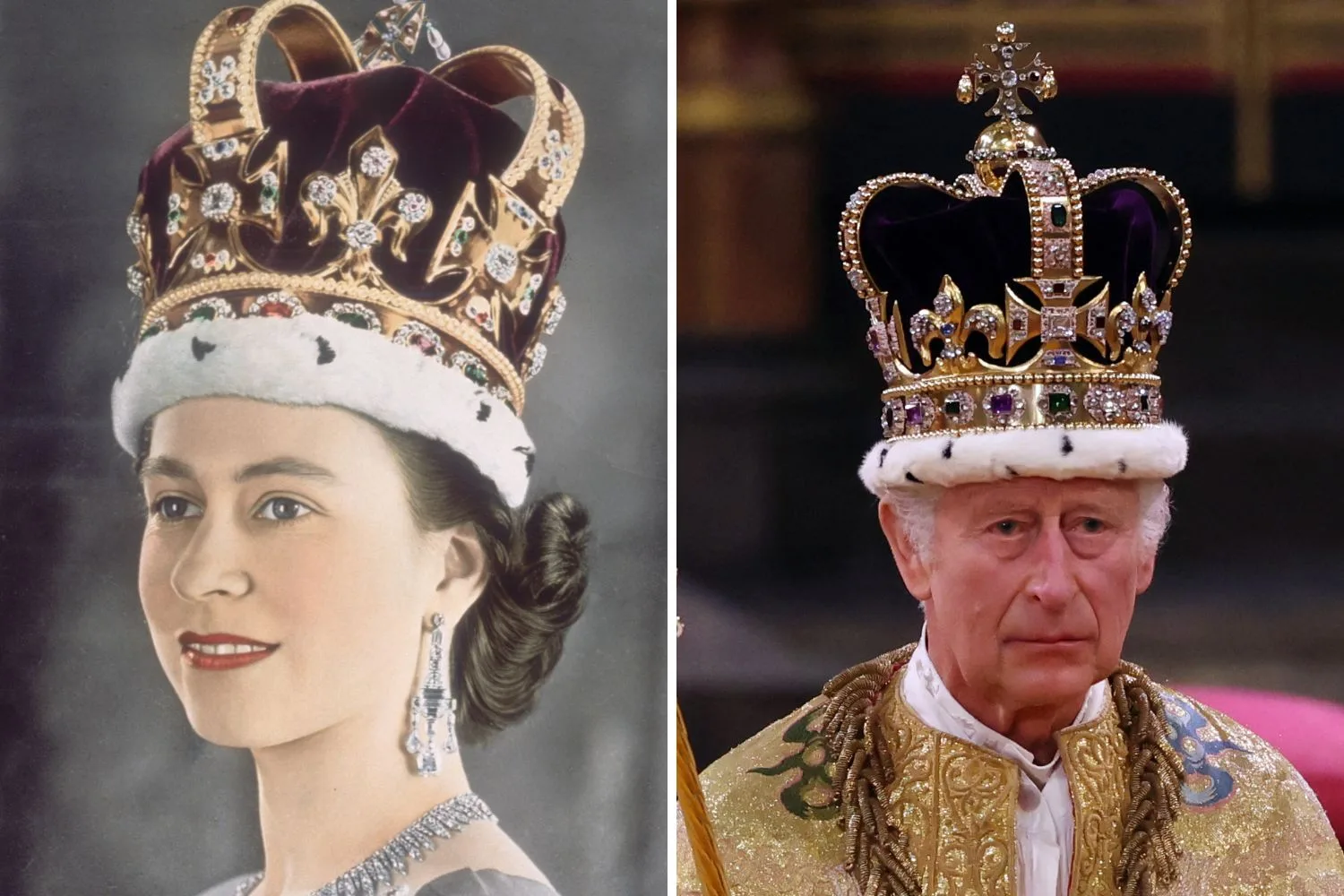
What Is A Royal Crown Family?

For centuries, the concept of a royal crown family has captivated the human imagination. We are drawn to their stories of lineage, duty, and splendor, often finding a sense of...

For centuries, the concept of a royal crown family has captivated the human imagination. We are drawn to their stories of lineage, duty, and splendor, often finding a sense of timelessness and stability in their existence. In a world of rapid change, these families offer a tangible link to history, embodying national identity through centuries-old traditions. Their pageantry—from glittering coronations to state banquets—provides a spectacle of elegance that many find both aspirational and comforting. It is this blend of continuity and ceremony that fuels our enduring fascination, making the idea of a royal family a cherished narrative in our collective culture.
At its core, a royal crown family is a hereditary institution that symbolizes the sovereignty of a nation. Unlike elected officials, a monarch inherits their role by birth, representing a non-political embodiment of the state. The key purpose of such a family is not to govern day-to-day affairs in modern constitutional monarchies, but to serve as a unifying figurehead. They perform crucial ceremonial duties—opening parliaments, awarding honors, and hosting foreign dignitaries—which lend dignity and gravitas to national life. In the United Kingdom, for example, the reigning monarch’s annual “Christmas Broadcast” is a moment of quiet reflection for millions, a tradition that transcends political divisions and reminds citizens of shared values.
The benefits of a royal crown family for everyday life are often subtle yet profound. They act as a social glue, fostering a sense of national pride during events like jubilees and royal weddings. For many, watching a royal wedding is not merely entertainment; it is a shared cultural experience that brings together people from different backgrounds. Furthermore, these families are powerful drivers of tourism and charitable work. An appearance by a royal patron can dramatically increase donations to a charity, while royal residences draw millions of visitors who spend money in local economies. In times of national crisis, a royal family’s calm presence—such as a monarch inspecting damage after a flood—can offer a quiet, reassuring stability that politicians struggle to provide.
Must Read
Consider a scenario: A young student in Canada reads about the Royal Family’s history. This leads them to explore their own country’s constitutional ties to the Crown, sparking an interest in civic education and the rule of law. Or imagine a small business in Scotland whose owner sells commemorative plates during a royal anniversary. The event boosts local sales and creates a festive community atmosphere. These examples show how the institution, while distant, can ripple through everyday life—inspiring curiosity, supporting local economies, and strengthening social bonds through shared celebration. The royal family becomes a backdrop for personal memories and national milestones alike.
It is important to note that the modern royal crown family has evolved beyond mere symbolism. They actively engage with contemporary issues. Princes and princesses today often champion causes such as mental health, environmental conservation, and youth empowerment. By using their globally recognized platform, they can highlight problems that might otherwise be overlooked. For instance, the work of a royal foundation tackling homelessness can inspire volunteers and change public policy. This adaptation to modern needs proves that the institution is not a relic but a living entity that can influence positive change, making its relevance felt in the daily lives of those who benefit from these initiatives.
 101 Photos of the British Royal Family - The History of the British
If you wish to explore the world of royal crown families on your own, start by studying the constitution of a constitutional monarchy like the Netherlands or Japan. Understanding the formal role of the monarch helps separate fact from fiction. Next, follow the official social media accounts of a royal household, such as the British Royal Family’s Instagram, to see their charitable work and public engagements firsthand—it’s a curated but insightful view. Finally, visit a royal palace or historic residence if possible. Walking through halls where historic treaties were signed gives an unforgettable perspective on the weight of tradition. These simple steps can transform a vague fascination into a meaningful appreciation for how these families function in the 21st century.
In summary, a royal crown family is far more than a fairytale or a relic of the past. It is a living institution that provides continuity, fosters national unity, and actively contributes to public good. While their lives may seem distant, their impact on civic life, culture, and charity is tangible. Whether you admire their pageantry or study their constitutional role, engaging with the idea of a royal family offers a unique window into how societies choose to remember their history and envision their future. Ultimately, they remind us that symbols matter, and that a shared story—when told with dignity and purpose—can enrich the everyday lives of millions.