What Is A Good Ph For Drinking Water

So, you’re standing in the water aisle, feeling like a confused scientist. You see bottles labeled "8.0 pH" and "9.5 pH" and suddenly wonder: Am I drinking science juice? It’s...
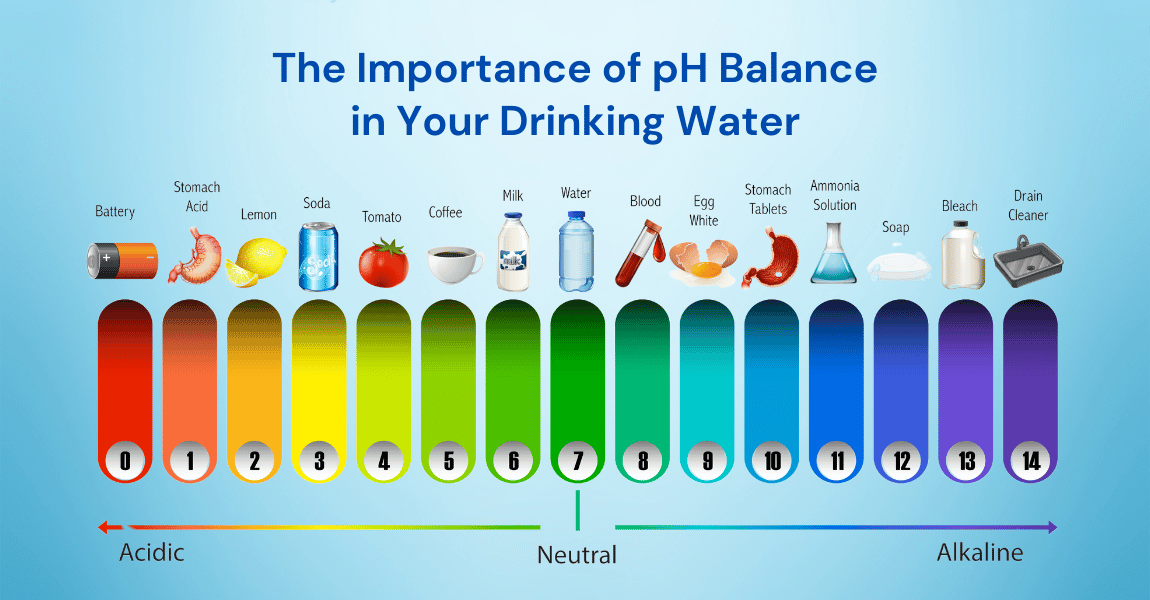
So, you’re standing in the water aisle, feeling like a confused scientist. You see bottles labeled "8.0 pH" and "9.5 pH" and suddenly wonder: Am I drinking science juice? It’s okay. We’ve all been there.
First: What Even Is pH?
pH is just a fancy scale that measures how acidic or alkaline something is. Think of it as a 14-point mood ring for liquids.
Pure water sits right in the middle, at exactly 7.0. That’s the "neutral" zone. Anything below 7 is acidic (like lemon juice or your stomach after a bad taco).
Must Read
Anything above 7 is alkaline (like baking soda water or, weirdly, bleach—don’t drink that).
The "Perfect" Number: A Myth Debunked
Here’s the kicker: there is no universal perfect pH for drinking water. It’s like asking for the perfect shoe size—it depends on who’s wearing it!
Official guidelines say your tap water should land between 6.5 and 8.5. That's a pretty big range. Anything in that zone is safe and boringly fine.
So why does everyone obsess over hitting exactly 7.0? Because marketing companies love a good number.
The Quirky Reality of Your Tap Water
Your tap water’s pH changes based on where you live. Rainwater is naturally slightly acidic (around 5.6) because it picks up carbon dioxide from the air.
If you live near a limestone quarry, your water might be more alkaline. If you live in a volcanic area, it could be slightly acidic.
Fun fact: Human blood has to stay at a very strict pH of 7.35 to 7.45. If it drifts even a little, you’re in big trouble. But your stomach? It’s a wild acid party at pH 1.5.
The "Alkaline Water" Hype
Alkaline water fans claim it "neutralizes acid in your body." Sounds cool, right? But your body already does that automatically without your help.
Drinking alkaline water is like trying to warm up a swimming pool with a tea candle. Your stomach acid is brutally strong—it will instantly neutralize any fancy alkaline water you chug.
But hey, if you like the smooth taste of high-pH water, go for it. Just don’t expect it to cure your existential dread.
Acidic Water: The Sour Surprise
Water below 6.0 pH can taste metallic or like it’s been chewing on a penny. It can also leach copper and lead from your pipes.
 Drinking Water Ph
That’s why cities add buffers to keep your water above 6.5. They don’t want you accidentally drinking a metal milkshake.
So, if your water tastes like a rusty sword, test the pH. It might be secretly attacking your plumbing.
The Perfect pH for Taste? A Secret
Taste experts say water between 6.5 and 7.5 tastes the most "refreshing." It’s the Goldilocks zone: not too sharp, not too flat.
Water above 8.0 can feel slippery in your mouth. Yes, slippery! It’s a weird sensation, like drinking liquid soap (but safer).
Next time you drink fancy bottled water, swirl it in your mouth. Does it feel smooth or sharp? That’s your tongue detecting pH!
What Happens If You Drink Wild pH Water?
Don’t worry: you’d have to drink industrial acid to get hurt. Normal water variations are harmless. Your body is a pH-buffering superhero.
Drinking water with a pH of 4.0 (like orange juice) is fine. Your teeth might not love it, but your stomach will high-five it.
And water at pH 10? You’d probably gag from the taste before it did any damage. Your instincts are smarter than you think.
The Final Sip: Curiosity Is the Best Drink
So, what is a good pH for drinking water? Anything between 6.5 and 8.5 that doesn’t taste weird. That’s the real answer.
Don’t let fancy labels fool you. Your tap water is probably perfectly fine. Unless you live near a volcano, a landfill, or a mad scientist.
Now go grab a glass of water—whatever pH it is—and toast to being hydrated and wonderfully confused by science. Cheers!
