What Is A Good Emulsifier For Oil And Water

Oil and water hate each other. They’re the drama queens of the kitchen. But an emulsifier? That’s the peacemaker. The Great Divide Imagine oil as a greasy, lazy slacker. Wate...
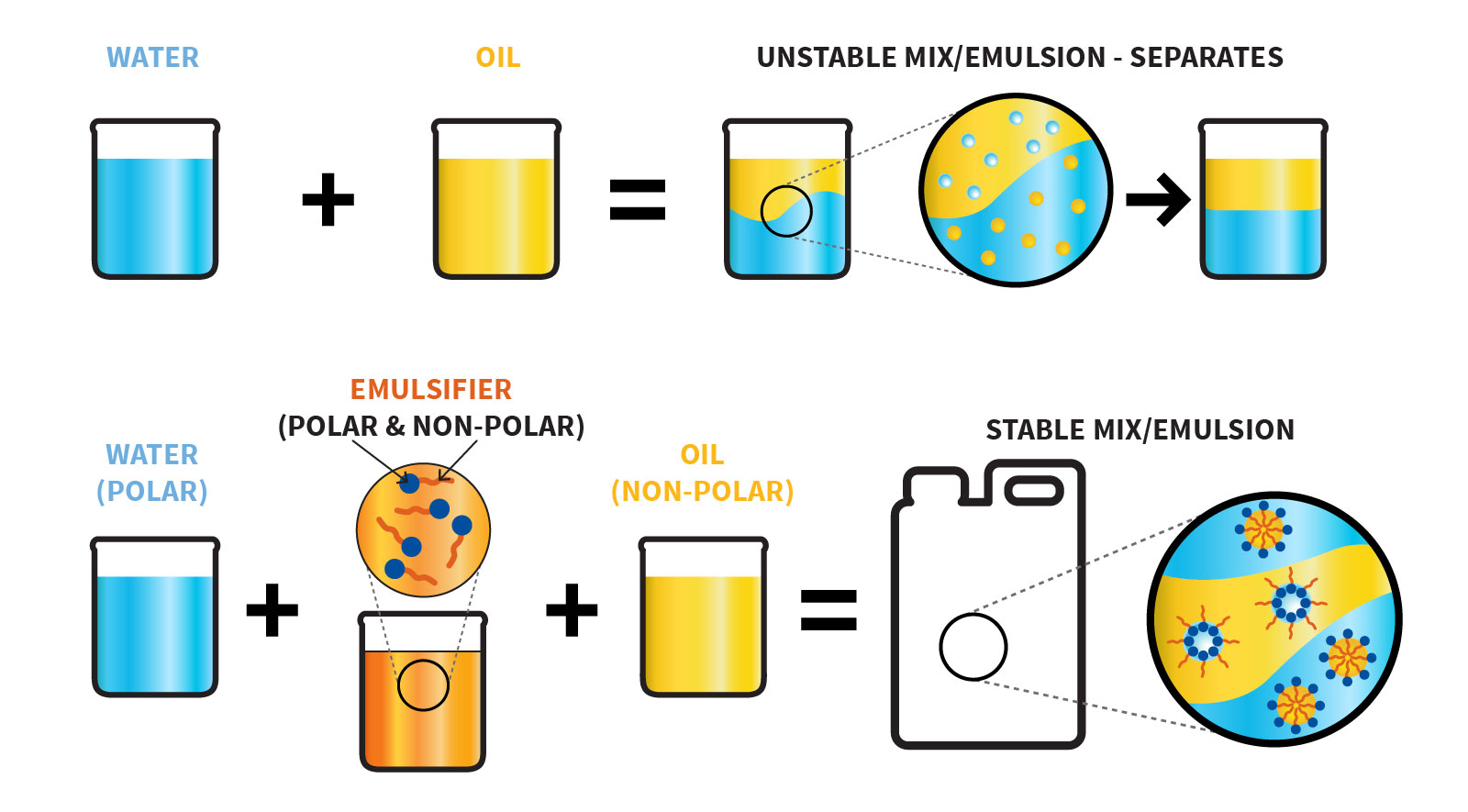
Oil and water hate each other. They’re the drama queens of the kitchen. But an emulsifier? That’s the peacemaker.
The Great Divide
Imagine oil as a greasy, lazy slacker. Water is a hyperactive, busy-body nerd. They never want to hold hands.
Shake them up, and they temporarily dance together. Then they break up in seconds. That’s where the emulsifier struts in.
Must Read
Meet The Bouncer
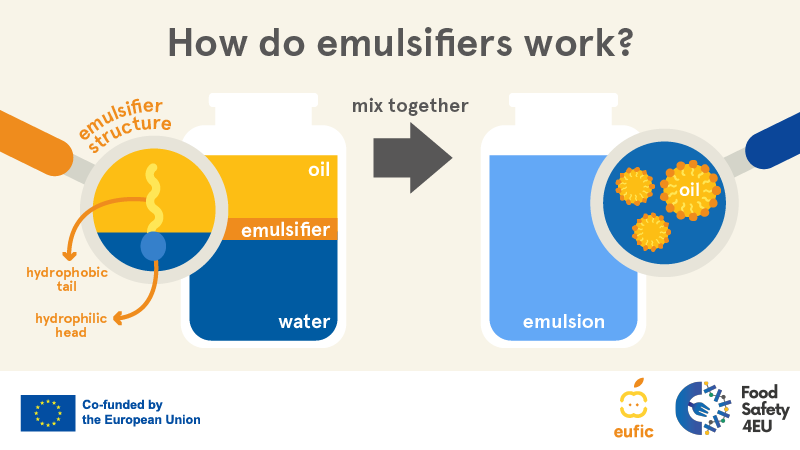
An emulsifier is a tiny molecule with a Jekyll-and-Hyde personality. One end loves water (hydrophilic). The other end adores oil (lipophilic).
It’s like a bouncer who’s best friends with both the punk rockers and the ballet dancers. It grabs oil droplets and water droplets and forces them to mingle. No fighting allowed.
This creates a stable, creamy blend. Voilà! A permanent party.
The Star: Egg Yolk
Your fridge has the world’s best emulsifier: the humble egg yolk. It’s packed with lecithin, a natural peacekeeper.
Think of mayonnaise. Oil, vinegar, and a raw yolk. You whisk furiously, and suddenly—magic. A thick, glossy sauce is born.
If you mess it up (broken mayo), don’t panic. Just start a new yolk and slowly whisk in the broken mess. Science saves the day!
Mustard: The Sneaky Sidekick
Mustard isn’t just for hot dogs. It’s a secret weapon. It contains mucilage that helps stabilize emulsions.
Add a teaspoon of mustard to vinaigrette. It stops the oil and vinegar from divorcing instantly. Plus, it tastes amazing.
Fun fact: Mustard powder works better than liquid. It’s a ninja emulsifier.
Soy Lecithin: The Vegan Warrior
Don't eat eggs? No problem. Soy lecithin is the go-to. It’s a byproduct of soybean oil production.
You’ll find it in chocolate bars, salad dressings, and vegan ice cream. It’s the reason your non-dairy latte doesn’t look like a science experiment.
It’s also used in paints and cosmetics. Yes, your moisturizer uses the same trick as your salad dressing. Gross? Maybe. Cool? Absolutely.
Honey and Garlic Paste
Believe it or not, honey is a decent emulsifier. Its thickness helps trap oil and water together.
Garlic paste works too, thanks to natural sulfur compounds. Next time you make a dressing, crush a clove into the oil. Shake hard. Watch it stay together longer.
Your breath will be a war crime, but your salad will be legendary.
The Quirky Tale of Agave Nectar
Agave nectar is trendy and sticky. It helps emulsify because of its high sugar content, which binds water.
 What are emulsifiers and what are common examples used in food? | Eufic
It’s not as powerful as egg yolk, but it’s great for vinaigrettes. Especially if you want a sweet, subtle tang.
Plus, it makes you feel fancy. “Oh, this? Just a balsamic-agave emulsion.” Very chic.
The Chemistry of “Why It Works”
Here’s the nerdy part (keep it short): Emulsifiers lower surface tension. They wrap around oil droplets like tiny coats.
This stops the droplets from merging into one giant blob. It’s the same science behind dish soap cutting grease.
Dish soap is an emulsifier too. So, technically, you could wash dishes and make vinaigrette with the same ingredient. Don’t try that, though. Trust me.
The Ultimate Test: Hollandaise
If you want to flex your emulsifier skills, make hollandaise sauce. Butter (oil) + lemon juice/water + egg yolk.
You need heat. You need whisking. You need patience. One wrong move, and you get oily scrambled eggs.
But when it works? Pure velvet on your eggs Benedict. You will feel like a kitchen magician.
The Weirdest Emulsifier: Gelatin
Gelatin from animal collagen? Yep. It holds water and oil together in marshmallows and gummy candies.
That fluffy marshmallow in your hot chocolate? A full-on emulsion. You’re eating science.
Vegan alternatives like agar agar work too, but they're finicky. Gelatin is the grumpy grandparent of emulsifiers—effective but old-school.
Why Bother Talking About This?
Because food is magic. Understanding emulsifiers makes you a better cook. No more sad, watery salad dressings.
You can impress your friends with homemade aioli. You can fix broken sauces like a pro.
And next time someone says “that’s just chemistry,” you can grin. “No, my friend. That’s peacekeeping.”
The Final Message
Oil and water will always hate each other. But with the right emulsifier, they can be friends for dinner.
So grab an egg yolk, some mustard, or even a dollop of honey. Get whisking. Make some beautiful, creamy chaos.
Your taste buds—and your inner scientist—will thank you. Now go emulsify something.
