What Is A Finance Charge On A Credit Card

Welcome to a lively look at the finance charge on a credit card, a topic that can feel like a mystery but is actually a handy map to smarter spending. Understanding how it wor...

Welcome to a lively look at the finance charge on a credit card, a topic that can feel like a mystery but is actually a handy map to smarter spending. Understanding how it works helps you keep more cash in your pocket, avoid surprise fees, and make even the smallest purchases feel like a calculated move. The purpose of the charge is to compensate the issuer for the money you borrow, and the advantage of learning about it is that you gain control over your interest costs, turning what many see as a burden into a tool for financial freedom.
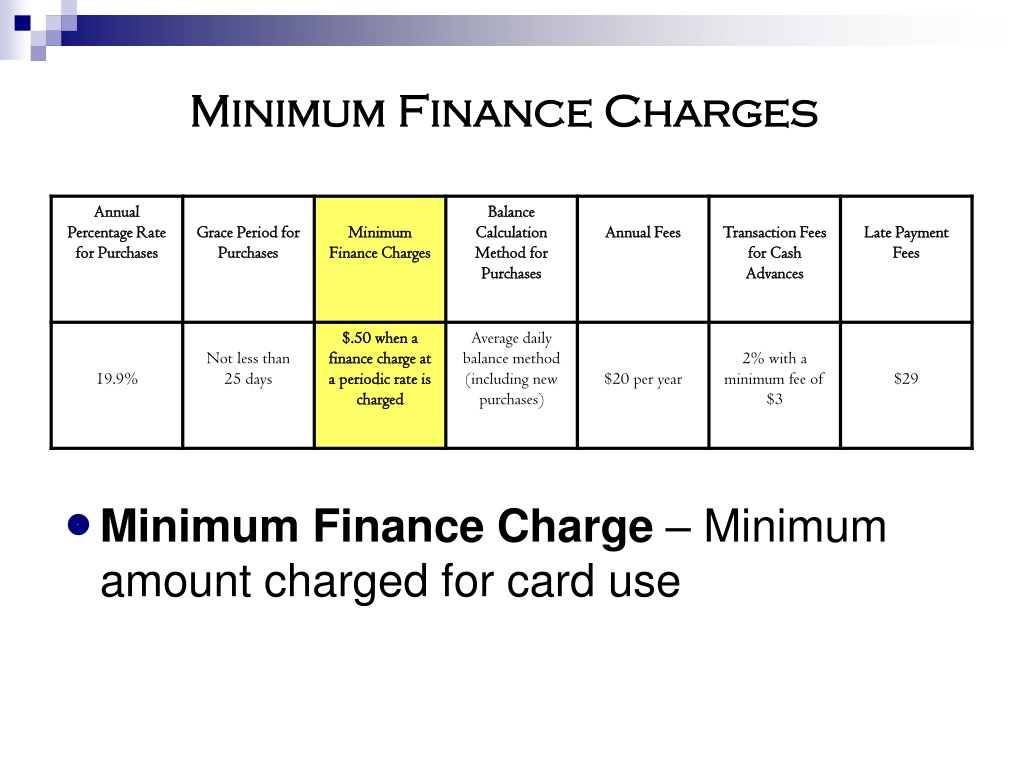
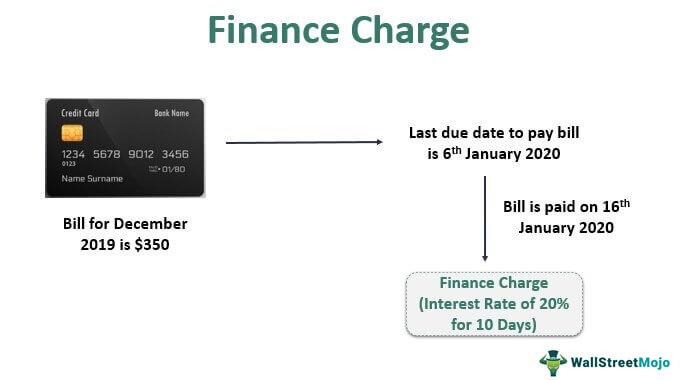
finance charge is the interest you pay for using a credit card when you don’t settle statement balance by the due date. It begins accruing the moment the grace period ends, while the amount owed—often expressed as a percentage known as the APR—is multiplied by your outstanding balance. Cards may have varied rates, from a modest 12% to a steep 25%, and may add extra fees for cash advances or balance transfers, all of which roll into this charge line on your bill. Most issuers disclose the fee on monthly statements, letting you see its impact at a glance.
Why does this charge matter? Because it directly influences how much you owe after a month of spreading purchases, turning a buy into a long‑term debt. When you understand the math behind the finance charge, you can see that even a small unpaid balance can snowball if left unchecked. The charge also serves as a reminder that credit is a service, and the issuer expects a fair return for providing that service, like any other business would charge for a product or loan. Keeping an eye on this line item helps you budget more accurately every single month.
Must Read
Imagine you buy a $500 gadget and pay only the minimum required each month. If the card charges 18% APR and you leave $400 unpaid for a year, the finance charge could add roughly $72 to your bill, turning a purchase into a $572 expense. Swap that scenario for a card with a 0% introductory rate, and the same $400 stays interest‑free for the grace period, showing how timing and card choice create two very different financial outcomes.
To keep finance charges at bay, start by tracking the statement due date on a calendar and aiming to clear the balance whenever possible; this leverages the grace period and stops interest from accruing. If paying everything feels tight, set up a larger payment—say double the required amount—to slash the principal faster and shrink future charges. Automating a payment on the day after you get paid can also prevent forget‑driven fees. Additionally, reviewing your statement each month lets you spot unexpected charges and adjust your payment plan before interest builds. A five‑minute check can save you dollars over a year.
 Finance Charge - What Is It, Formula, How To Calculate, Examples
Consider splitting a large purchase into two cards each with a 0% introductory offer; you’ll enjoy interest‑free windows on both while spreading the cost across statements. Another creative trick is to use a low‑ APR balance‑transfer card to roll over older debt, paying a one‑time fee but slashing the ongoing finance charge dramatically. These moves turn the credit‑card system into a flexible playground where you can design payments to your liking.
By mastering the idea behind the finance charge, you turn a confusing line on your bill into a guide for smarter money moves. Remember that every dollar you keep out of interest is a dollar you can spend on experiences, savings, or future goals. With a bit of planning, a dash of creativity, and the habit of paying off the statement balance, you’ll enjoy credit‑card perks without ever feeling the sting of surprise charges. With an understanding of how the charge works, you can choose the right card, set budgets, and enjoy the freedom that comes from making financial choices.
:max_bytes(150000):strip_icc()/Clipboard01-1cc7d1d55f684442b2aedef3f46ba5cc.jpg)