What Helps Iron Supplement Absorption

Ever take an iron supplement and still feel like you could sleep after a walk around the block? You're not alone. The secret isn't just taking the pill — it's about how you ta...
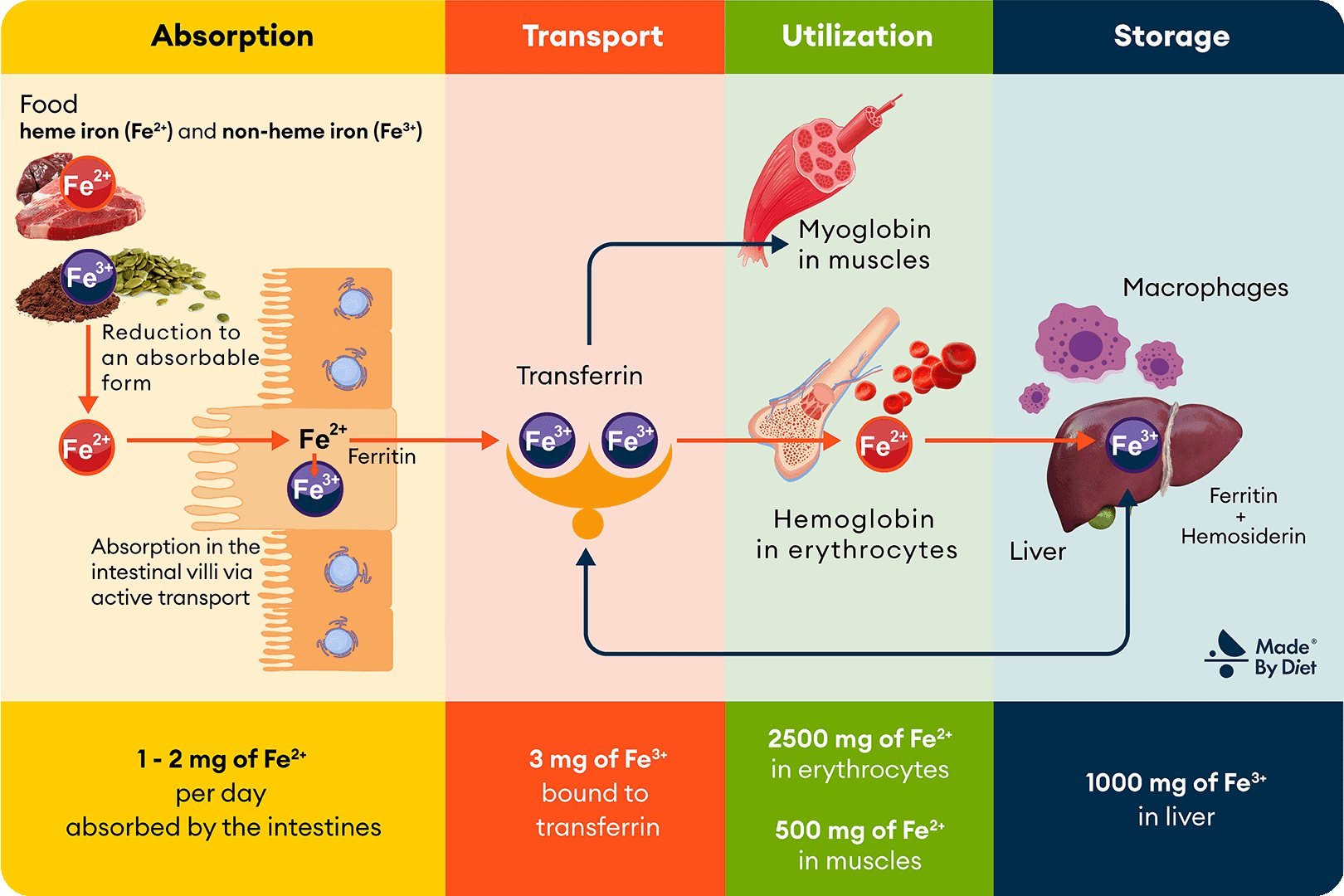
Ever take an iron supplement and still feel like you could sleep after a walk around the block? You're not alone. The secret isn't just taking the pill — it's about how you take it.
The Big Idea in Simple Words
Iron absorption is kind of like inviting a shy friend to a party. If the environment is right, they walk right in. If it's not? They go home before they even knock.
Your body is picky about iron. Some things make it say, "Yes, come on in!" while other things slam the door. Knowing who's on the guest list is the whole game.
Must Read
Vitamin C Is Your Best Buddy
Vitamin C is basically iron's hype friend. It turns non-heme iron (the kind found in plant foods and many supplements) into a form your body can actually grab onto.
Morning routine? Pop your iron pill with a glass of orange juice. Or toss spinach into a lemon-dressed salad. Instant boost without even trying hard.
My friend Sarah once told me she felt like a zombie on iron and finally switched from coffee to a vitamin C drink. Within a week, she said she felt like a brand-new person.
Timing Matters More Than You Think
Here's something most people miss. Your iron supplement works better on an empty stomach, but that doesn't mean mealless — it means taking it at least one hour before food or two hours after.
 Tips to maximise iron absorption
Think of it like this: iron is like a small car in a parking lot. Full stomach = traffic jam. Empty-ish stomach = wide open road.
Yes, some supplements are better on an empty stomach. But if your stomach rebels, pair it with a little snack that won't compete with iron.
Things That Fight Against Your Iron
Now, some foods and drinks are like that one person who blocks the hallway. Coffee and tea contain compounds called tannins, and they love to grip iron and refuse to let go.
Calcium is another gatekeeper. If you drink a big glass of milk right alongside your supplement, you might absorb less iron than if you'd just waited an hour.
Even whole grains and some vegetables contain phytates, which can tie iron down like tying shoes together. They're great foods, just not iron's best friends.
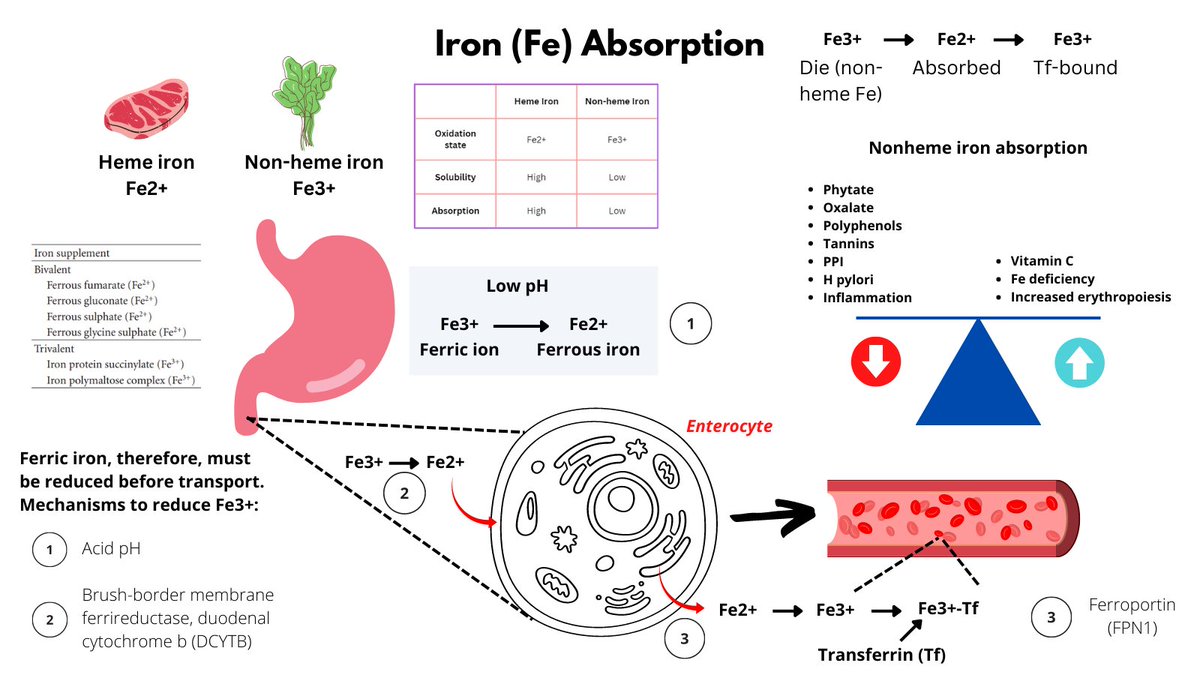 1/3 IRON ABSORPTION It's easy to forget what's what in iron oxidation
Pick the Right Kind of Iron
Not all iron supplements are created equal. Iron bisglycinate and ferrous sulfate are two common ones people talk about.
Ferrous sulfate is affordable and widely available, but it can cause tummy trouble. Iron bisglycinate is gentler and often better absorbed — a little more expensive, but worth it for comfort.
If you've tried one and felt like you swallowed a brick, talk to your doctor about switching. There's usually a better fit waiting for you.
Little Habits That Make a Big Difference
Pair your supplement with something vitamin-C-rich. A glass of water with lemon does the trick — simple, cheap, and tasty.
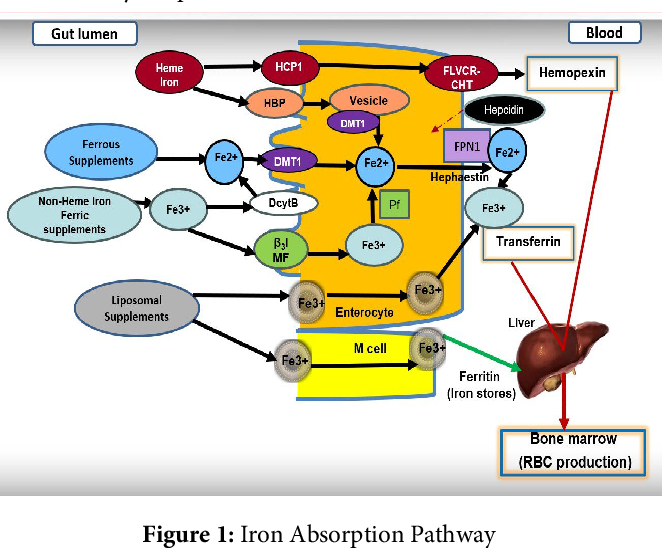 Figure 1 from A REVIEW ON ORAL IRON SUPPLEMENTS AND IRON ABSORPTION
Keep coffee and tea at bay for an hour on either side of your dose. Think of it as giving iron its own personal little space to do its work.
And don't skip meals entirely — yeast, sprouts, and NUTS like cashews can actually help iron absorption when eaten during a meal at the right time.
Why Should You Care?
Iron deficiency is one of the most common nutritional issues worldwide. Low energy, pale skin, brain fog, and a cold that never quite leaves — these are all classic signs your iron isn't landing properly.
But the good news? Small tweaks can cut those struggles dramatically. You don't need a lab coat or a chemistry degree — just a little awareness and a routine that makes sense.
So next time you reach for that supplement, give it a proper welcome. Your body isn't being difficult for no reason — it just wants iron presented the right way.
