What Happens When You Microwave An Egg

Okay, let's be honest — have you ever stood in your kitchen, staring at an egg, and wondered, "What actually happens if I nuke this thing?" You're not alone! Microwaved eggs h...
Okay, let's be honest — have you ever stood in your kitchen, staring at an egg, and wondered, "What actually happens if I nuke this thing?" You're not alone! Microwaved eggs have been the subject of myths, legends, and more than a few minor kitchen disasters.
I'm about to walk you through the whole wild, hilarious, and surprisingly informative story. Grab a snack (maybe not an egg just yet), and let's dive in!
The Science Behind the Blast
First off, your microwave works by gently — okay, not so gently — agitating water molecules inside your food. An egg is loaded with moisture from the yolk to the white, which means it responds to those waves very enthusiastically.
Must Read
As the interior heats up, steam builds with nowhere to go. Think of it like a tiny pressure cooker wrapped in a fragile shell, and yeah — we all know where that story tends to end.
The shell acts as a container, but unlike a sealed jar, it can't vent that rising pressure. So the egg essentially becomes a delicious little time bomb, waiting for one loaded question: to pop or not to pop?
The Big Bang: What Goes Boom
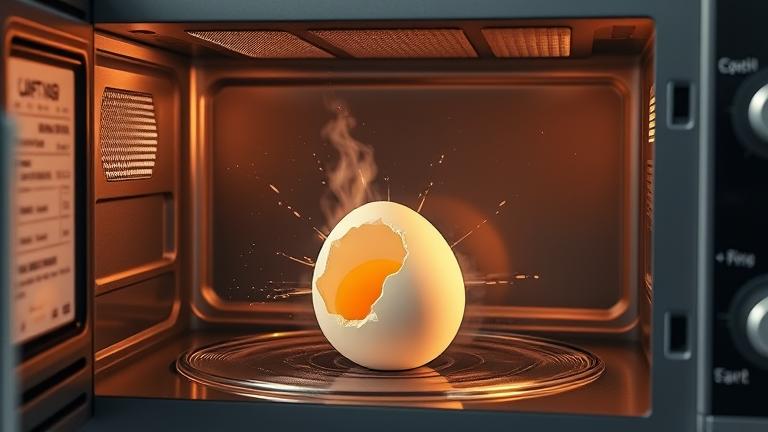
If you microwave a whole egg in its shell, you're setting up one of the most classic kitchen mishaps of all. The steam pressure builds and builds until the shell finally can't hold on anymore — and it absolutely explodes.
Not exactly a slow graceful crack — we're talking a full-on, splattering detonation that paints the inside of your microwave like a Jackson Pollock painting. Yellow, white, and shell fragments everywhere. Fun times!
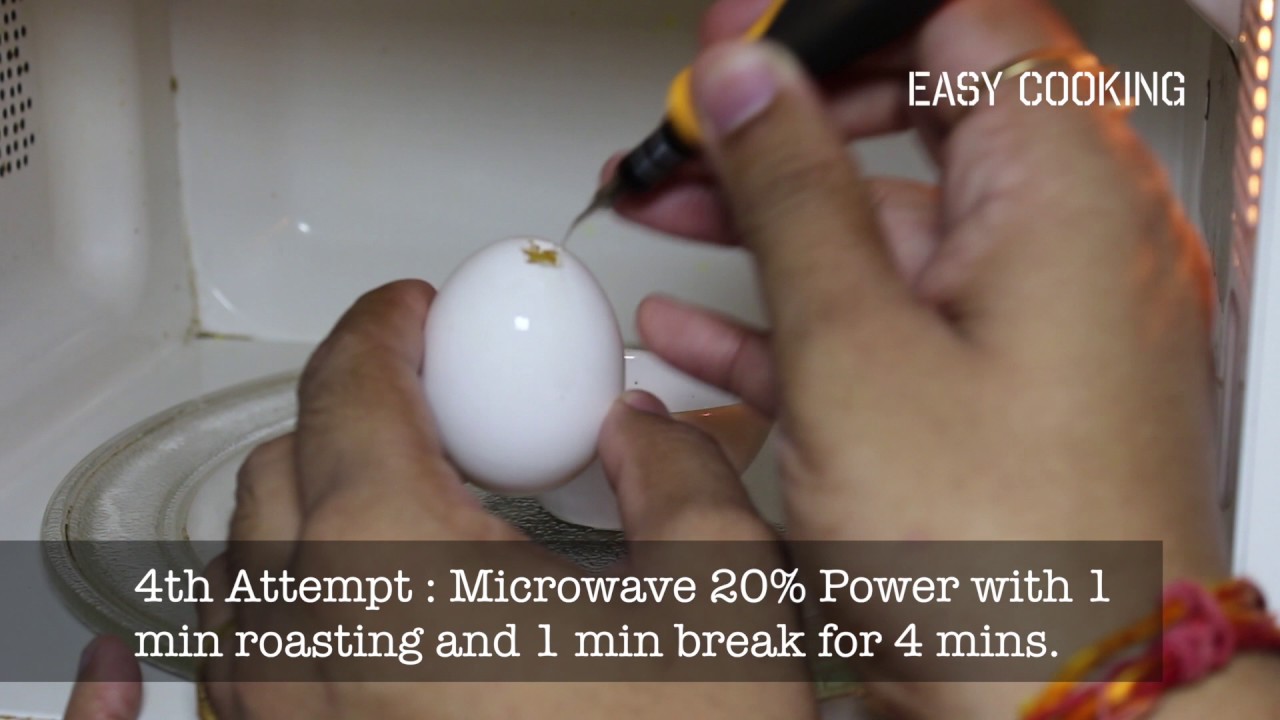 See what happens when you put an egg in a microwave - YouTube
Pro tip from someone who has cleaned a microwave ceiling: never microwave an egg in its shell alone. Just don't do it. You will regret it, and so will your microwave.
But What About Cracking It First?
Here's where things get interesting! If you carefully crack the egg into a microwave-safe dish, the results are much more forgiving. The yolk and white do coagulate just like on a stovetop, giving you a fully cooked egg.
Pierce the yolk a couple of times first — this prevents another steam explosion inside your bowl. Tiny release holes are your best friend here, believe me.
Cook it in short bursts, like 30 seconds at a time, checking between each round. You'll end up with a surprisingly decent scrambled or poached-style egg without ever heating up a pan.
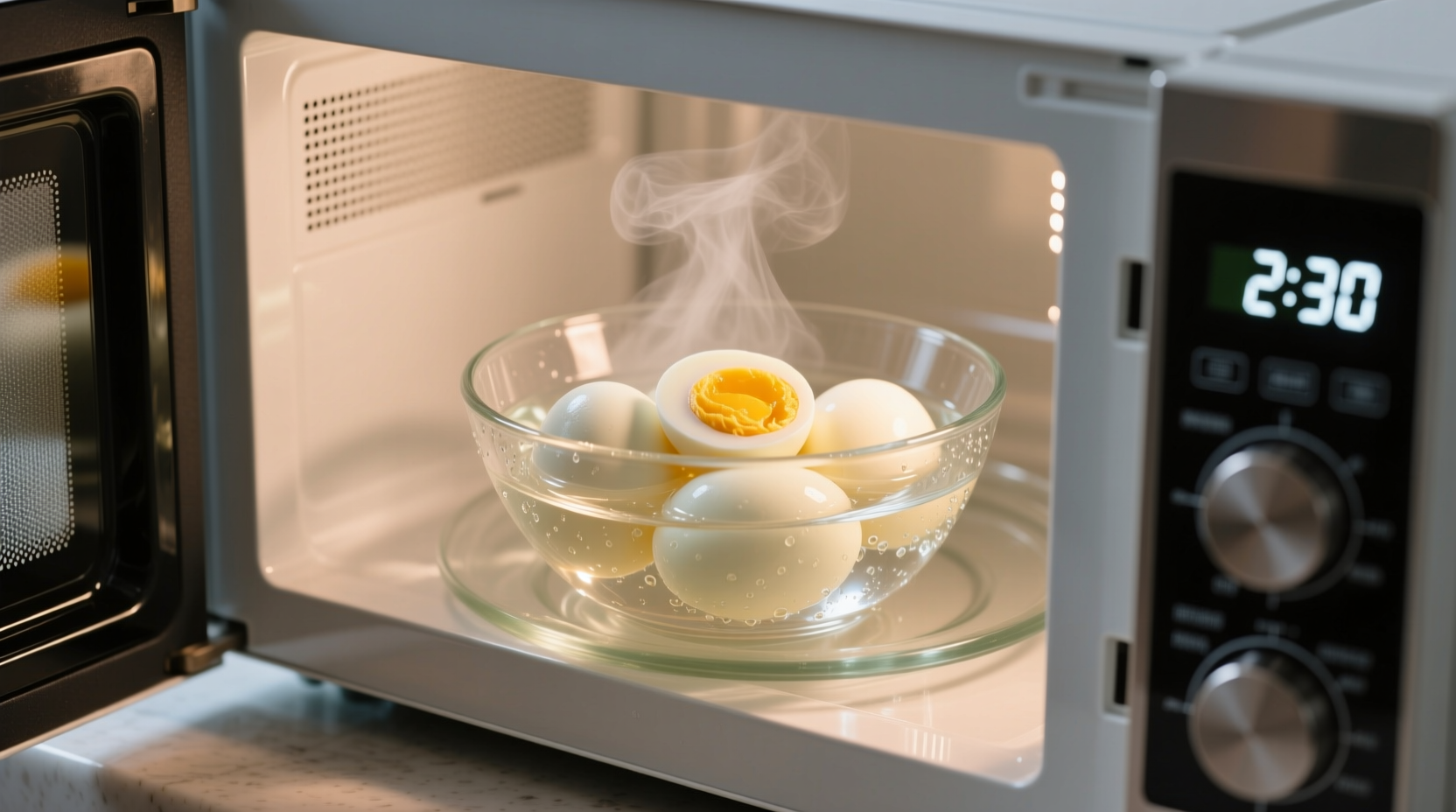 Microwave Hard Boiled Eggs: Safe Quick Method
The Fun Part: Experimenting Safely
What makes microwaved eggs such an entertaining topic is the range of outcomes you can actually control. A little technique goes a long way, and honestly, it's a fun little kitchen experiment that anyone can try.
You can make a quick microwave omelet, a mug-cup scramble, or even a cheerful little egg-poached-in-a-cup situation. Pinch the process, adjust the timing, and you've got a weeknight protein powerhouse in under a minute.
It's also a wonderful way to teach kids (or curious roommates) about how heat, pressure, and energy actually work. Science class in your kitchen? Sure, why not?
Why This Little Experiment Matters
Some of the most delightful learning moments come from tiny, everyday questions like this one. Asking "what happens if?" is the very spark that lights every great discovery of the modern era.
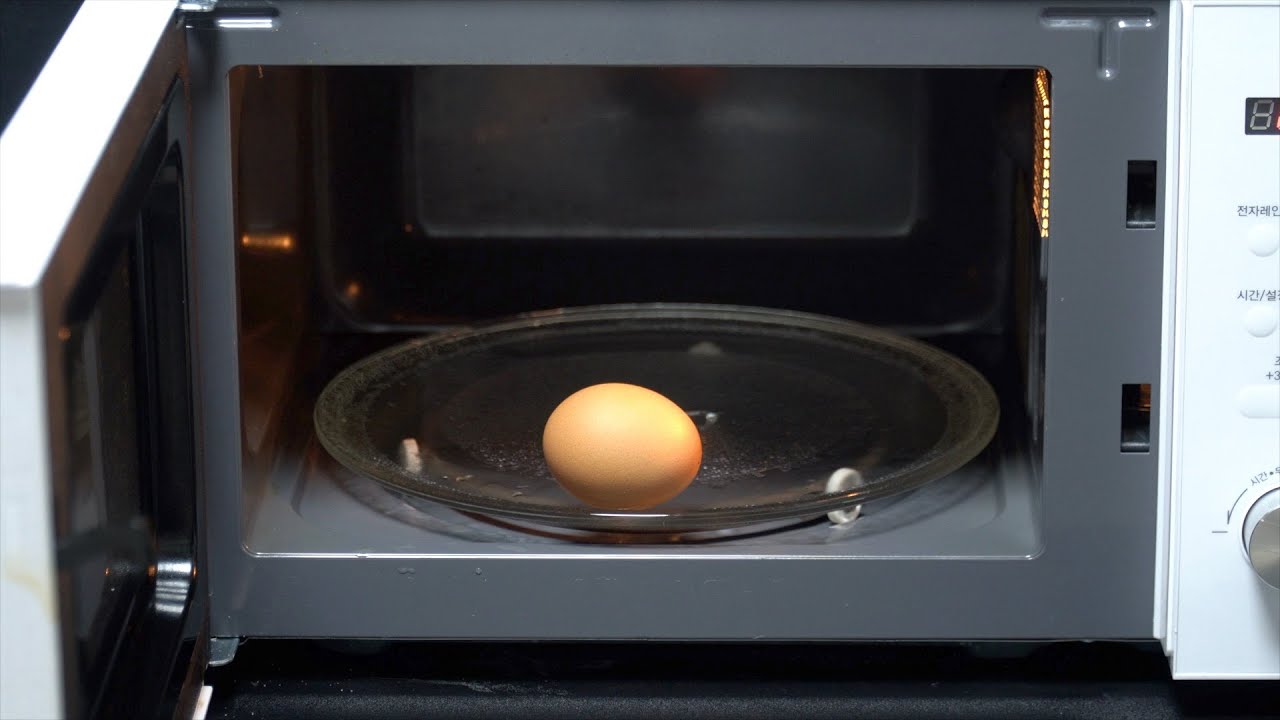 What happens when you put an egg in the Microwave - YouTube
Think about it — curiosity is what drives inventors, scientists, chefs, and even weekend warriors to try new things. Every playful what-if question is a doorway to something bigger.
And the beauty of kitchen science is that it's accessible to everyone. You don't need a lab coat or a fancy grant — just a microwave, an egg, and a willingness to learn.
Go Explore, One Egg at a Time
So the next time you peer into your kitchen and wonder about the hidden drama unfolding inside humble ingredients, follow that curiosity. Microwaving an egg may seem like a silly question, but it opens the door to understanding steam, pressure, heat, and so much more.
Life's more fun when you give yourself permission to wonder out loud. Keep asking questions, keep experimenting, and keep turning everyday moments into exciting little adventures.
You never know — your next "what if?" might just be the most inspiring discovery you'll make this week. Happy eating, curious friend!
