What Happens When You Freeze Whipped Cream

Whipped cream is one of those simple pleasures that instantly brightens a plate. Its light, airy texture and sweet flavor make it a favorite topping on cakes, hot chocolate, a...
Whipped cream is one of those simple pleasures that instantly brightens a plate. Its light, airy texture and sweet flavor make it a favorite topping on cakes, hot chocolate, and even fruit bowls. The main purpose of whipped cream is to add richness without overwhelming the dish, which is why many cooks keep a can or a bowl ready at home. For everyday life, having whipped cream on hand means you can turn a plain dessert into a café‑style treat in seconds. Its subtle sweetness can also balance the tartness of berries, making it a versatile companion for both coffee and tea.
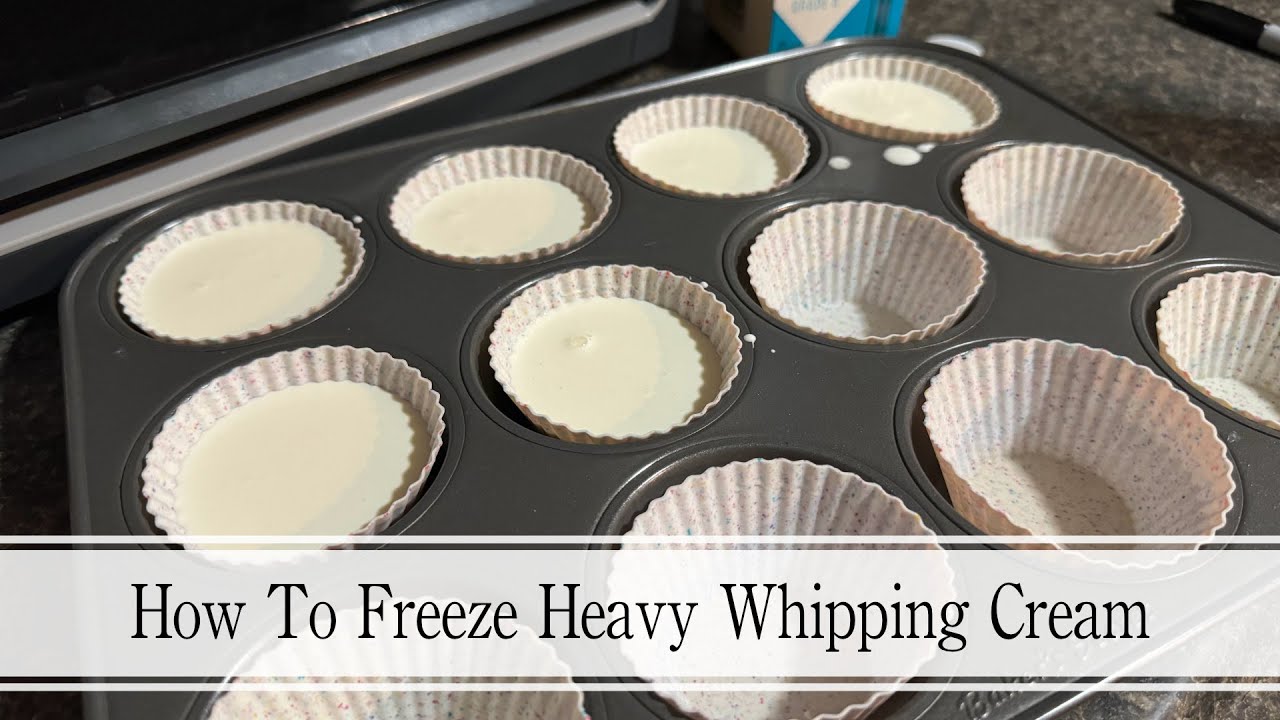
When you freeze whipped cream, the most immediate change is the formation of tiny ice crystals. The air bubbles that give it fluff become trapped in the frozen lattice, creating a denser, firmer texture. Unlike ice cream, which is churned to keep crystals small, frozen whipped cream can develop larger crystals if not handled carefully. The taste stays sweet, but the mouthfeel shifts from light and frothy to a more solid, sliceable consistency. The speed of freezing matters: a rapid freeze yields smaller ice crystals, while slower freezing can produce a grainier feel.
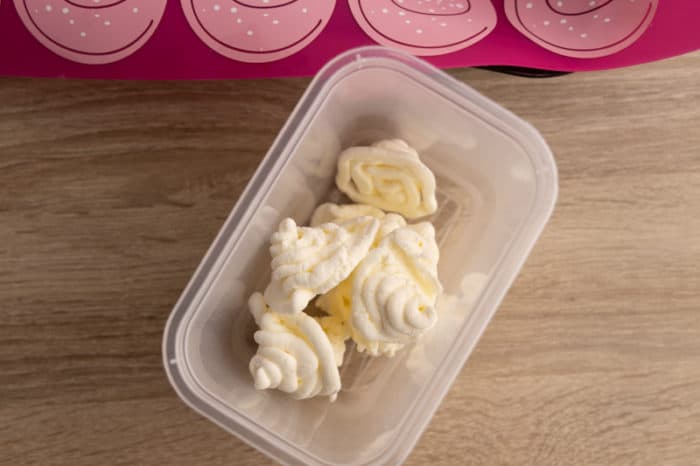
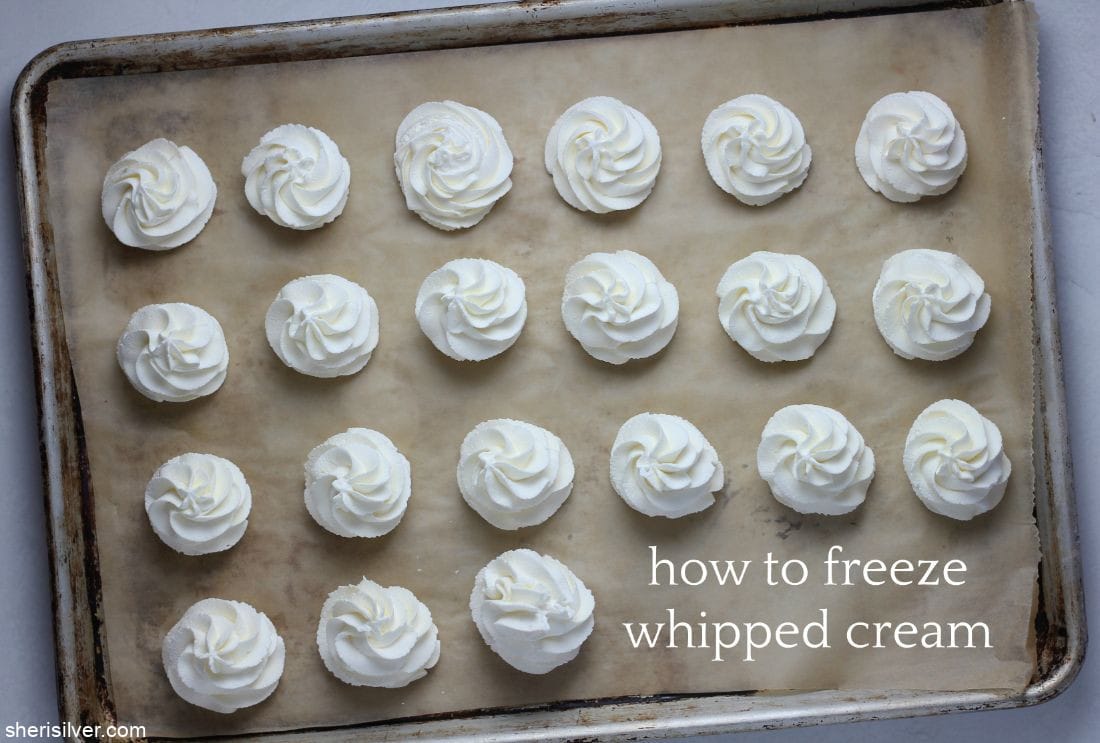
The key everyday benefit of freezing whipped cream is that it can be stored for weeks without losing quality. Piping the cream into small rosettes on a tray and freezing them creates convenient portions you can grab anytime. For busy households, this means preparing a large batch ahead of time, saving last‑minute grocery runs. Frozen whipped cream works well as a quick topping for baked goods, hot drinks, or blended into smoothies for an extra frothy boost. The freezer also keeps the cream safe from bacterial growth, preserving both flavor and safety.
Must Read
Imagine you’ve just made a batch of fresh cookies and realize you forgot whipped cream on top. By grabbing a frozen rosette, you instantly elevate the dessert without whipping a new batch. A host preparing a garden party can freeze several bowls early in the day, then thaw them just before serving, ensuring every guest receives the same delicate texture. Another scenario is a morning brunch where thawed whipped cream is dolloped over pancakes, turning a simple plate into a luxurious treat. These everyday situations show how freezing transforms a fleeting treat into a reliable pantry staple.
 Whipped Cream Can You Freeze
To explore frozen whipped cream, start by piping small dollops onto a parchment‑lined sheet. Freeze them for at least two hours until firm, then move the pieces to an airtight container. When you need a serving, let the portion thaw for a few minutes; the ice crystals will melt, restoring fluffiness. For a smoother result, gently whisk the thawed cream before using it. If ice crystals appear on the surface after thawing, a quick stir with a fork breaks them up. Store the container at the back of the freezer where the temperature stays steady. If you prefer a firmer slice for a tart topping, freeze the whipped cream longer, up to three hours, before transferring it to storage.
In conclusion, freezing whipped cream offers a very practical way to extend its usefulness often for everyday meals and events. Understanding the texture shift lets you turn a potential drawback into an advantage, especially when you follow handling tips. Experiments with piping, storage, and thawing methods reveal a range of creative uses, from topping ice‑cream sundaes to blending into a milkshake. With a little practice, frozen whipped cream becomes a secret weapon in your culinary arsenal. Embrace the frozen version, and you’ll be able to enjoy this classic topping long after the can has run out.