What Happens When You Eat Bay Leaves

So, You've Been Curious About Bay Leaves, Huh? Alright, gather 'round, folks. Let's chat about these little green leaves that've been hanging out in your spice rack, looking...

So, You've Been Curious About Bay Leaves, Huh?
Alright, gather 'round, folks. Let's chat about these little green leaves that've been hanging out in your spice rack, looking all mysterious and whatnot. Bay leaves, am I right? You've probably seen them floating around in your soup or stew, looking like tiny, edible life rafts. But what's the deal with these guys? Can you eat them? Should you? Let's dive in, shall we?
First Things First: What Are Bay Leaves?
Bay leaves are the dried leaves of the bay laurel plant. They've been around since ancient times, with the Romans and Greeks using them for all sorts of stuff - crowns, wreaths, and even as a sign of victory. But today, we're more interested in their culinary prowess.
Now, you might be thinking, "But I've seen bay leaves in my mom's spice cabinet since I was a kid. What's the big deal?" Well, my friend, it's time to shed some light on these often-overlooked leaves.
Must Read
Can You Eat Bay Leaves?
Alright, let's address the elephant in the room. Can you chomp down on a bay leaf like you would a piece of lettuce? The short answer is no, not really. Bay leaves are typically used to season food, not to be the food. They're not exactly a delicacy on their own.
Think of bay leaves like those tiny umbrellas you get in fancy cocktails. They add a certain je ne sais quoi to your dish, but you wouldn't go around eating them on their own, right? Exactly.
But What if I Accidentally Ate One?
Oh, don't worry, we've all been there. You're halfway through your homemade minestrone, and suddenly, you're crunching down on something that feels a bit... wrong. It's like finding a pebble in your shoe, but for your mouth.
Here's the thing: bay leaves are generally safe to eat, but they're not exactly pleasant. They're tough, bitter, and have a slightly soapy flavor. It's like eating a mouthful of detergent - not that I'd know from personal experience, of course. cough
But fear not! The bay leaf's tough exterior will usually pass through your digestive system without causing any harm. It's like that one weird cousin who shows up to family gatherings and then disappears without a trace. You might feel a bit uncomfortable while it's there, but life goes on.
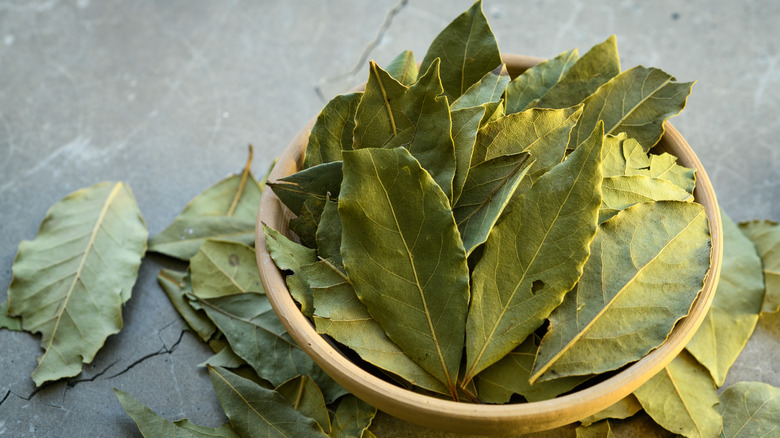 What Happens If You Accidentally Eat Bay Leaves?
So, Why Bother with Bay Leaves?
Great question! Bay leaves might not be the tastiest things on their own, but they're like the secret ingredient in your culinary toolbox. They've got a unique, slightly piney, slightly floral flavor that can elevate your dishes to the next level.
Think of them as the supporting actor in your cooking adventure. They might not be the star, but they're essential to the story. They can add depth and complexity to soups, stews, sauces, and even some baked goods. Just don't forget to fish them out before serving - nobody wants a mouthful of surprise.
Bay Leaves: The Unsung Heroes of Your Kitchen
So there you have it, folks. Bay leaves - the unsung heroes of your kitchen, the tiny umbrellas in your culinary cocktails. They might not be the most exciting spices out there, but they've got a unique charm that's worth exploring.
Next time you're whipping up a pot of soup, don't forget to toss in a bay leaf or two. Your taste buds (and your dishes) will thank you. And who knows? You might just find yourself becoming a bay leaf aficionado. Stranger things have happened, right?
Happy cooking, everyone! And remember: when in doubt, leave it out. Or, you know, fish it out. Whatever works.
