What Happens When Acid Is Dissolved In Water

When you pour a splash of vinegar into a glass of water, something quietly brilliant takes place, and honestly it is one of those everyday bits of science that never gets old....
When you pour a splash of vinegar into a glass of water, something quietly brilliant takes place, and honestly it is one of those everyday bits of science that never gets old. Acids in water turn up all over daily life, from the lemonade you sip to the cleaner hiding under the sink, and getting your head round the basics makes you far more confident around them. The topic keeps folk curious because it is easy to try at home yet loaded with useful chemistry. Whether you are a student, a parent or simply someone who likes knowing why things behave the way they do, the story of acid meeting water matters for safety, health and a whole bunch of practical tasks we all deal with.
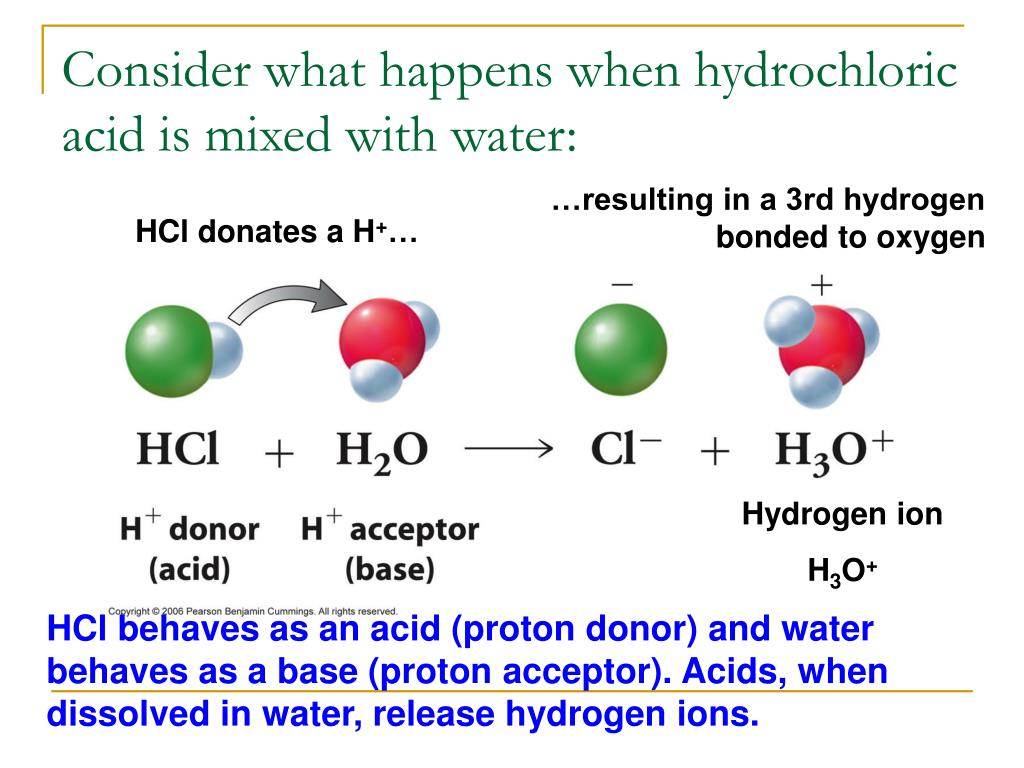
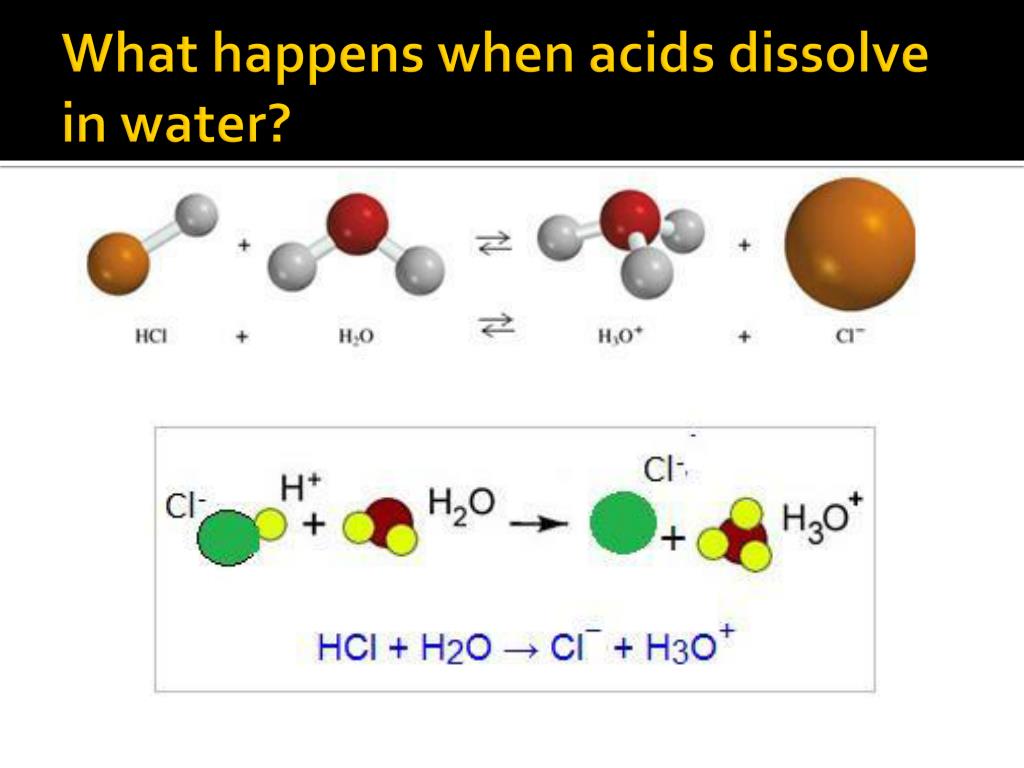
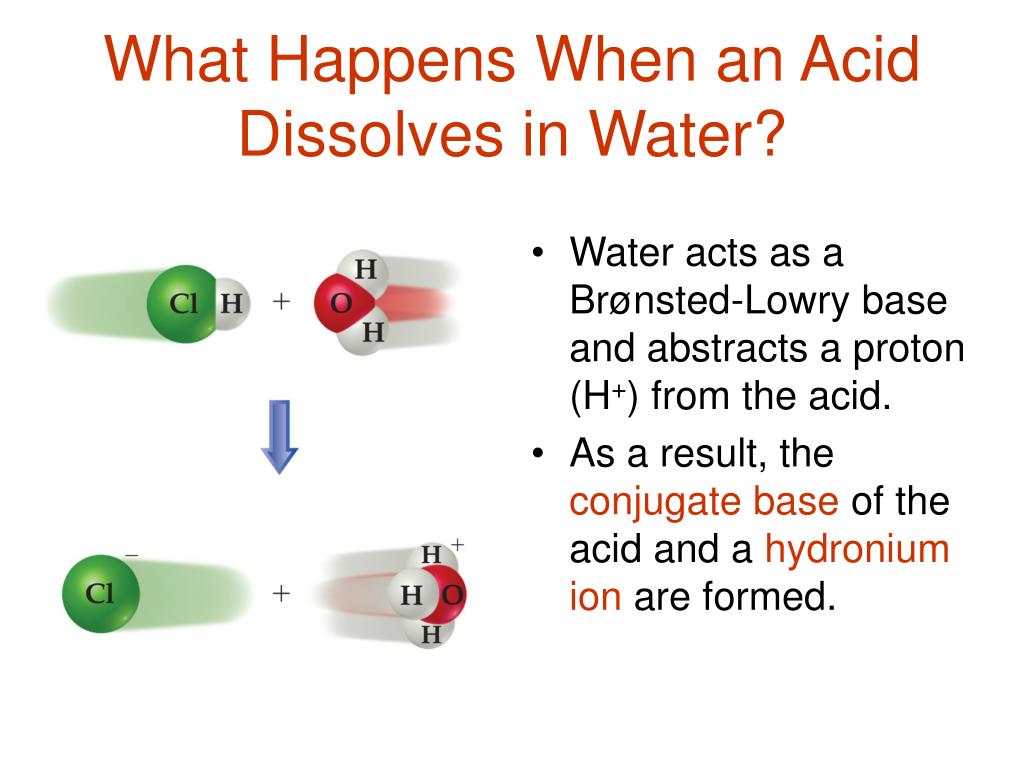
So what actually goes on? The acid molecules break apart — chemists call it dissociation — and hydrogen ions slip free, latching onto water molecules to form hydronium, written as H3O+. Those tiny positive bits are what give the solution its sour, reactive character. Strong acids such as hydrochloric acid let go of nearly all their hydrogen ions, while milder ones like citric acid only give up a portion. Water plays its part too, donating an electron pair so it is never merely a bystander. The end result is a liquid that reacts with metals, flips the colour of indicators and carries an electrical current far better than plain water does.
That change of personality earns its keep in homes, schools and communities. Acidic water is the engine behind descaling limescale off kettles and showerheads, cutting grease off greasy pans and brightening dull laundry rinse water. Ponds and pools need a dash of acid to keep their pH balanced so swimmers stay comfortable and fish stay healthy. Sewer crews use controlled doses of strong acid to dissolve stubborn blockages, and gardeners rely on slightly acid mixes to help acid-loving plants like blueberries and azaleas soak up nutrients. In each case, the chemistry is doing real family and neighbourhood work.
Must Read
Look around and you will spot plenty more examples. Squeeze a lemon into fizzy water and the citric acid is dissociating the moment it meets the liquid, giving that sharp zing. Battery acid is sulfuric acid in water, storing the charge that fires up your car every morning. Your own stomach runs on a strongly acidic brew which tears apart food and kills nasties before moving on. Popular cleaners such as toilet bowl solutions lean on phosphoric or hydrochloric acid, while the vinegar you splash over chips is simply acetic acid doing a gentle, food-safe job.
 PPT - Chapter 14 Acid/Base Equilibrium PowerPoint Presentation, free
If you fancy trying things, a few simple habits keep you safe and tidy. Always add acid slowly to water, never the other way round, so the released heat spreads through lots of liquid instead of boiling one concentrated spot. Wear gloves and goggles for anything stronger than vinegar, work somewhere breezy so fumes do not build up, and measure rather than guess — a little really does a lot. Keep containers clearly labelled, store them away from kids and metal shelves, and rinse surfaces afterwards. With those few moves, experimenting stays fun and calm instead of messy.
A cup of water met with an acid quietly reshapes the liquid, and from there the benefits flow into kitchens, gardens, roads and rivers. The everyday chemistry is simple, the applications are endless, and with a little care it becomes a handy, friendly tool rather than something to shy away from. Next time you open the cleaning cupboard or stir a fizzy drink, remember those tiny hydronium ions at work — now that is science worth smiling about.