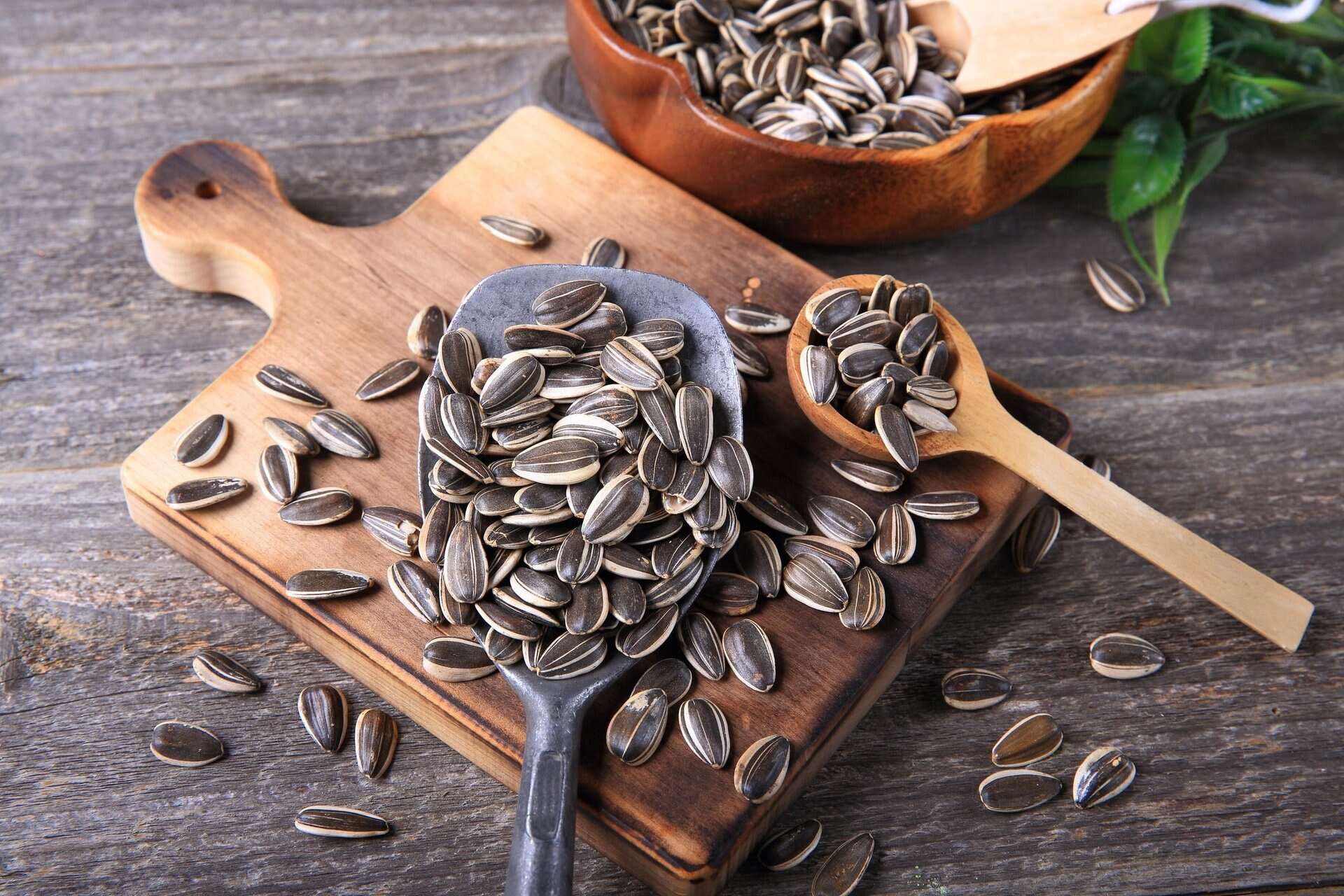
What Happens If You Swallow A Sunflower Seed Shell

Let’s be honest—there’s something deeply satisfying about cracking open a sunflower seed. The salty crunch, the tiny kernel reward, and the stack of shells growing beside you...
Let’s be honest—there’s something deeply satisfying about cracking open a sunflower seed. The salty crunch, the tiny kernel reward, and the stack of shells growing beside you like a small mountain of victory. But if you’re like most snackers, you’ve probably accidentally swallowed a shell whole—and then wondered, “Is this thing going to cause problems?” It’s a surprisingly common worry, and a surprisingly practical topic. After all, sunflower seeds are a staple at ballgames, road trips, and picnic tables. Understanding what really happens when a shell goes down the hatch can save you from unnecessary panic and help you enjoy your snack with confidence.
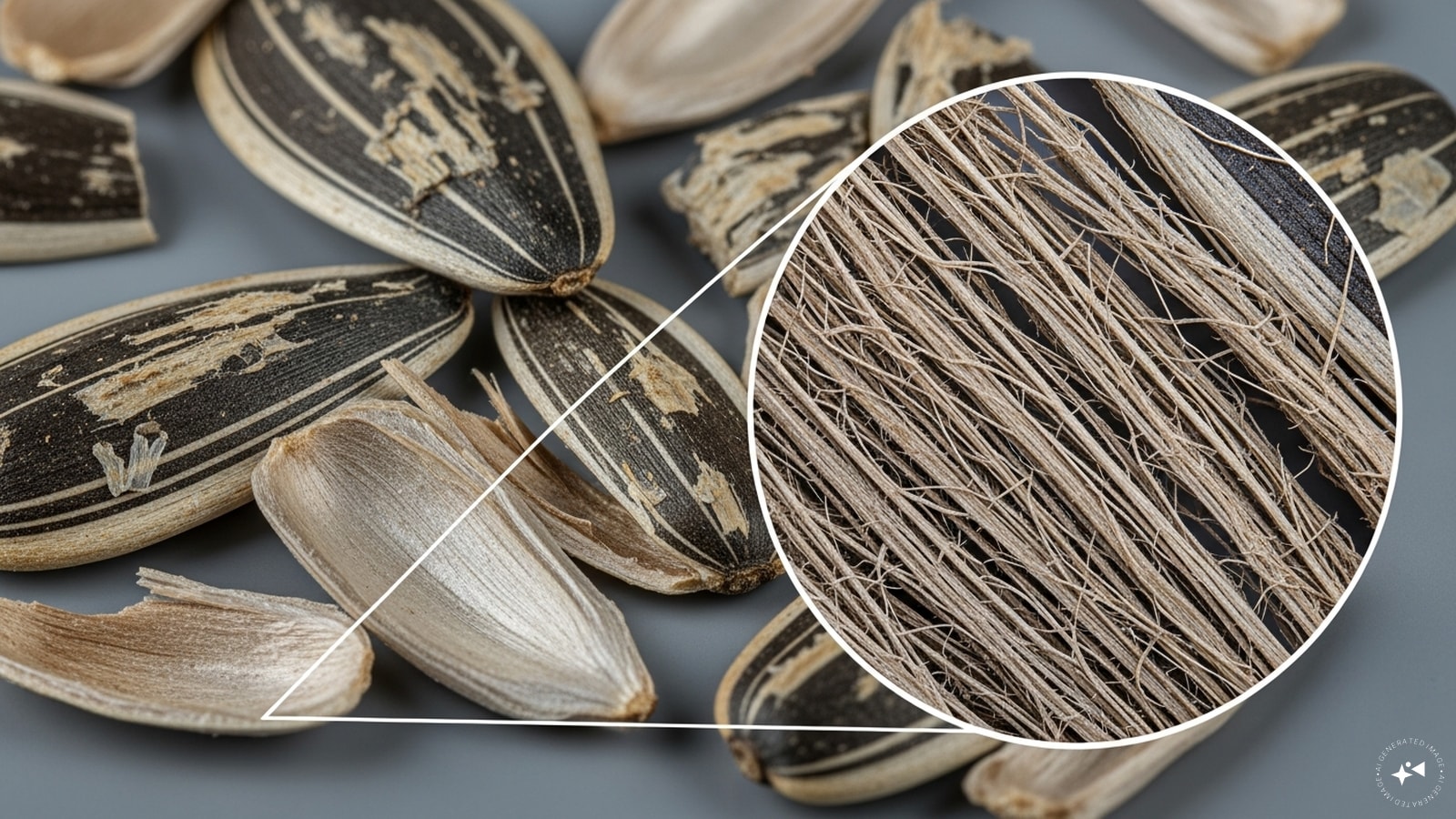
The short answer? Nothing dramatic. Sunflower seed shells are mostly fiber and lignin—tough, woody stuff that your body cannot digest. But that’s not a crisis; it’s just a matter of mechanics. Your digestive system is designed to move indigestible material along. The shell will pass through your stomach, small intestine, and colon largely unchanged, and exit your body within 24 to 48 hours. Think of it like swallowing a piece of unpopped popcorn kernel—annoying, but not dangerous. For most people, the shell is just a temporary passenger.
That said, context matters. If you swallow a single shell by accident, you likely won’t even notice it. But if you’re habitually swallowing handfuls—or crunching them deliberately—the risks change. The sharp edges of a shell can sometimes scratch the lining of your throat or esophagus. You might feel a slight tickle or scratchiness, like a mild paper cut on the inside. For someone with a sensitive gut or a condition like diverticulitis, the shells could theoretically get lodged or cause irritation. For the average healthy adult, however, a few shells now and then is no big deal.
Must Read
There’s also the moderation angle. Some people love the texture of whole, salted shells and eat them by the bagful. I’ve seen it happen at baseball games—fans chewing and swallowing every bit. In small amounts, this is usually fine. But eating large volumes of shells can create a “bezoar”—a mass of undigested material that can block the intestines. It’s rare, but it’s possible. And the salt on the shells can also cause stomach upset if you’re not drinking enough water. So, know your own body. If you’re a heavy seed-eater, consider cracking and discarding the shells, or at least chewing them thoroughly to break them into smaller pieces.
Here’s a practical takeaway for the everyday seed fan. If you accidentally swallow a shell, don’t panic. Drink a glass of water to help it move along. Eating a bit of soft food—like bread or a banana—can also cushion the shell and protect your throat. Avoid trying to force a gag or cough it up; that’s more likely to cause irritation. And if you feel persistent pain, difficulty swallowing, or blood in your stool, then—and only then—check in with a doctor. For 99.9% of us, the shell will be a silent, unremarkable visitor.
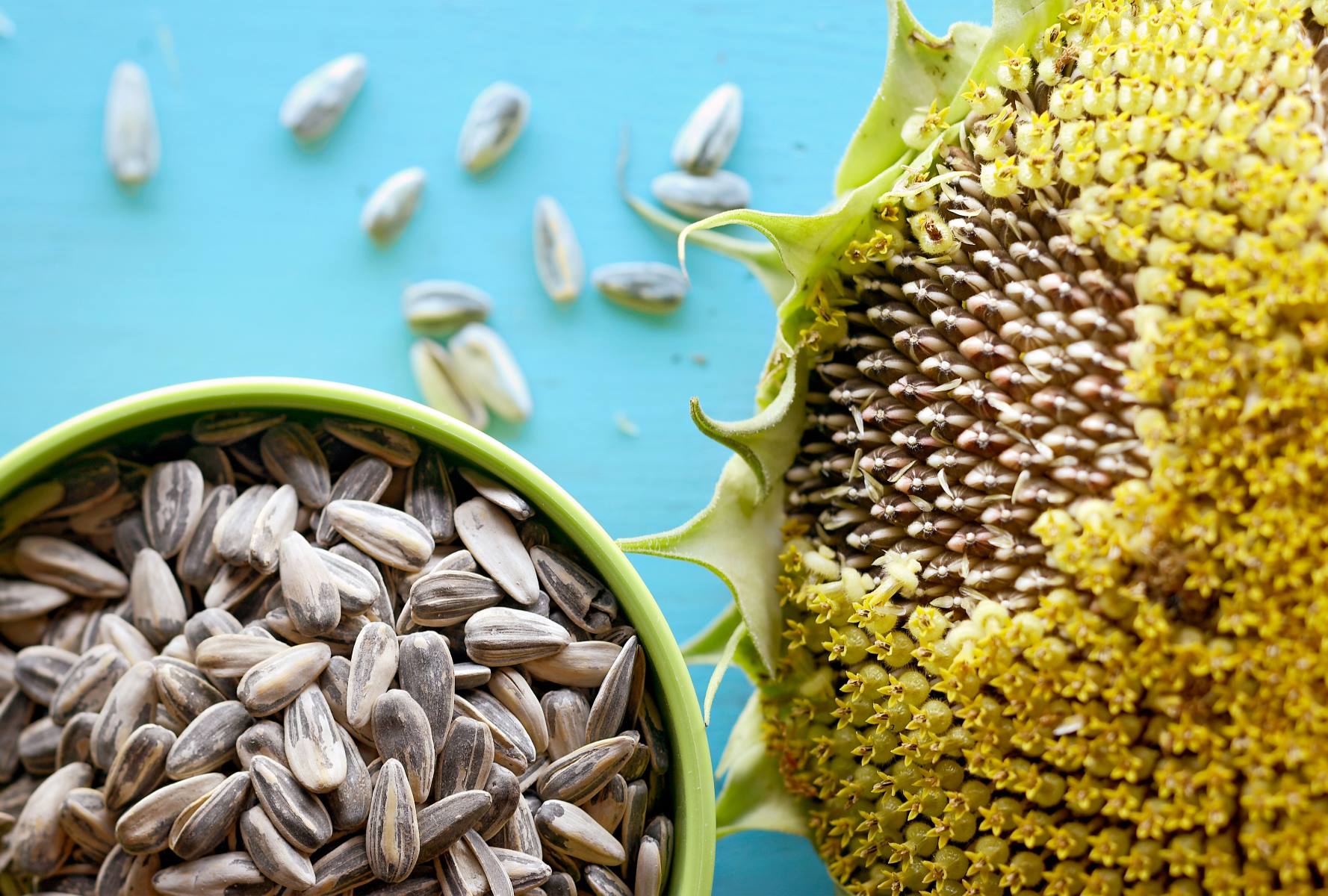 What Happens If You Swallow A Sunflower Seed Shell | Storables
For those who want to maximize enjoyment without worry, a simple tip is to choose “hulled” sunflower seeds—the ones with the shell already removed. They’re available in most stores and eliminate the risk altogether. If you love the ritual of cracking shells, try the “tongue-and-teeth” method: pop a seed in your mouth, use your front teeth to crack the shell lengthwise, then use your tongue to separate the kernel and spit out the empty shell. It takes practice, but it’s a skill that makes snacking both safe and satisfying.
Ultimately, swallowing a sunflower seed shell is a minor, forgettable event for most people. It’s one of those everyday curiosities that reminds us how resilient our bodies are. So next time you’re at a summer picnic or a long bus ride, don’t overthink the shells. Enjoy the salt, the crunch, and the conversation. Your digestive system has handled tougher things than a little woody seed coat—and it will handle this one, too.