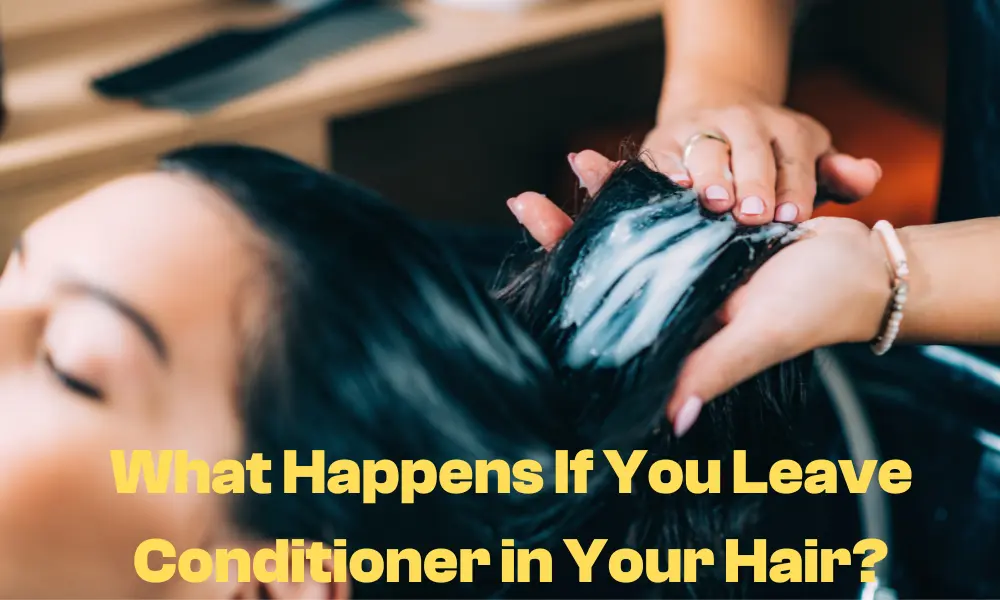
What Happens If You Leave In Conditioner

There is a quiet, almost ritualistic pleasure in the final step of a shower: smoothing a generous dollop of conditioner through your hair. The creamy texture, the lingering sc...

There is a quiet, almost ritualistic pleasure in the final step of a shower: smoothing a generous dollop of conditioner through your hair. The creamy texture, the lingering scent, and the immediate slip it gives to wet strands make it a beloved part of many people’s haircare routine. Its key purpose is to seal the hair cuticle, replenish moisture lost during shampooing, and detangle knots, leaving hair feeling silky and manageable. For those with dry, curly, or color-treated hair, conditioner is not merely an option but a daily necessity that prevents breakage and promotes a healthy, glossy shine.
The common instruction on the bottle is clear: leave the conditioner on for one to three minutes, then rinse thoroughly. But what if you forget? Or what if you deliberately decide to leave it in? The most immediate effect is over-conditioning. Your hair may feel soft at first, but after drying, it can become limp, greasy, or weighed down. This happens because the conditioning agents—often oils, silicones, and fatty alcohols—build up on the hair shaft. For fine or thin hair, this is particularly problematic, as it can flatten natural volume and make roots appear oily by midday.
Beyond the aesthetic, leaving conditioner on for extended periods (hours or overnight) can lead to product buildup on the scalp. A healthy scalp produces natural sebum, which balances your hair’s moisture. When synthetic conditioners sit too long, they can trap dead skin cells and dirt against your scalp, potentially causing itching, flaking, or even mild discomfort. Think of a scenario where you apply a rich leave-in cream before bed and sleep on it without rinsing—the next morning, your scalp might feel sticky, and your pillowcase could be stained. This does not mean conditioner is bad; it simply means timing matters.
Must Read
Interestingly, the opposite is also true for certain hair types. People with extremely dry, coarse, or curly hair (like Type 4C curls) often practice a technique called “co-washing” or “conditioner-only washing.” In these routines, leaving a lightweight conditioner in for 5–10 minutes (or using a dedicated leave-in product) can dramatically improve hydration, curl definition, and elasticity. For them, a brief “overstay” is a blessing. However, even in these cases, the key is moderation. Leaving a heavy, rinse-out formula overnight can still cause the same buildup issues, especially near the scalp.
So, what really happens when you leave conditioner in? The science is straightforward: conditioners are formulated to be rinsed because they contain ingredients that require removal to prevent residue. When you skip the rinse, water evaporates, leaving behind a concentrated layer. This can create a film that blocks moisture from penetrating the hair core, paradoxically making hair more brittle over time. Imagine leaving a moisturizing lotion on your skin without rubbing it in—it stays tacky, attracts dust, and eventually clogs pores. Your hair has no pores, but the concept of “clogged” cuticles is real, leading to dullness and decreased shine.
 Should I Put Leave In Conditioner Before Bed | Detroit Chinatown
For everyday life, consider this scenario: You are in a rush after a workout and accidentally forget to rinse your conditioner completely. You go to work, and by lunchtime, your hair looks greasy and flat. This is the most common real-world consequence. To avoid this, a simple tip is to set a timer or use a phone reminder for your rinse step. Another practical tip: if you enjoy the feeling of extra moisture, use a dedicated leave-in conditioner instead of your rinse-out formula. Leave-ins are designed with lighter molecules that do not require rinsing and are safe to stay in for hours.
If you wish to explore leaving conditioner in intentionally, do so with caution. Start by choosing a conditioner labeled “lightweight” or “for daily use.” Apply only to the mid-lengths and ends, avoiding the roots entirely. Test it for one day—wash, apply, leave in for 10 minutes, then rinse. If your hair feels great, you might try leaving a small amount on the ends for 30 minutes as a deep treatment. But never sleep in a rinse-out conditioner unless the bottle explicitly says it is safe for overnight use. The risk of scalp irritation and product buildup simply outweighs the potential benefits. Ultimately, conditioner is a powerful tool for healthy hair—but like any tool, it works best when used correctly. Listen to your hair, adjust your timing, and enjoy the softness without the unwanted side effects.