What Happens If You Heat Baking Soda

You’ve probably got a box of baking soda hiding in your pantry, right next to the flour. It’s a humble hero: you use it to make fluffy pancakes, deodorize your fridge, and eve...

You’ve probably got a box of baking soda hiding in your pantry, right next to the flour. It’s a humble hero: you use it to make fluffy pancakes, deodorize your fridge, and even scrub your sink. But what actually happens when you heat that white powder? Forget the oven timer—this simple act unlocks a surprising superpower that can change how your family cleans, cooks, and even stays safe.
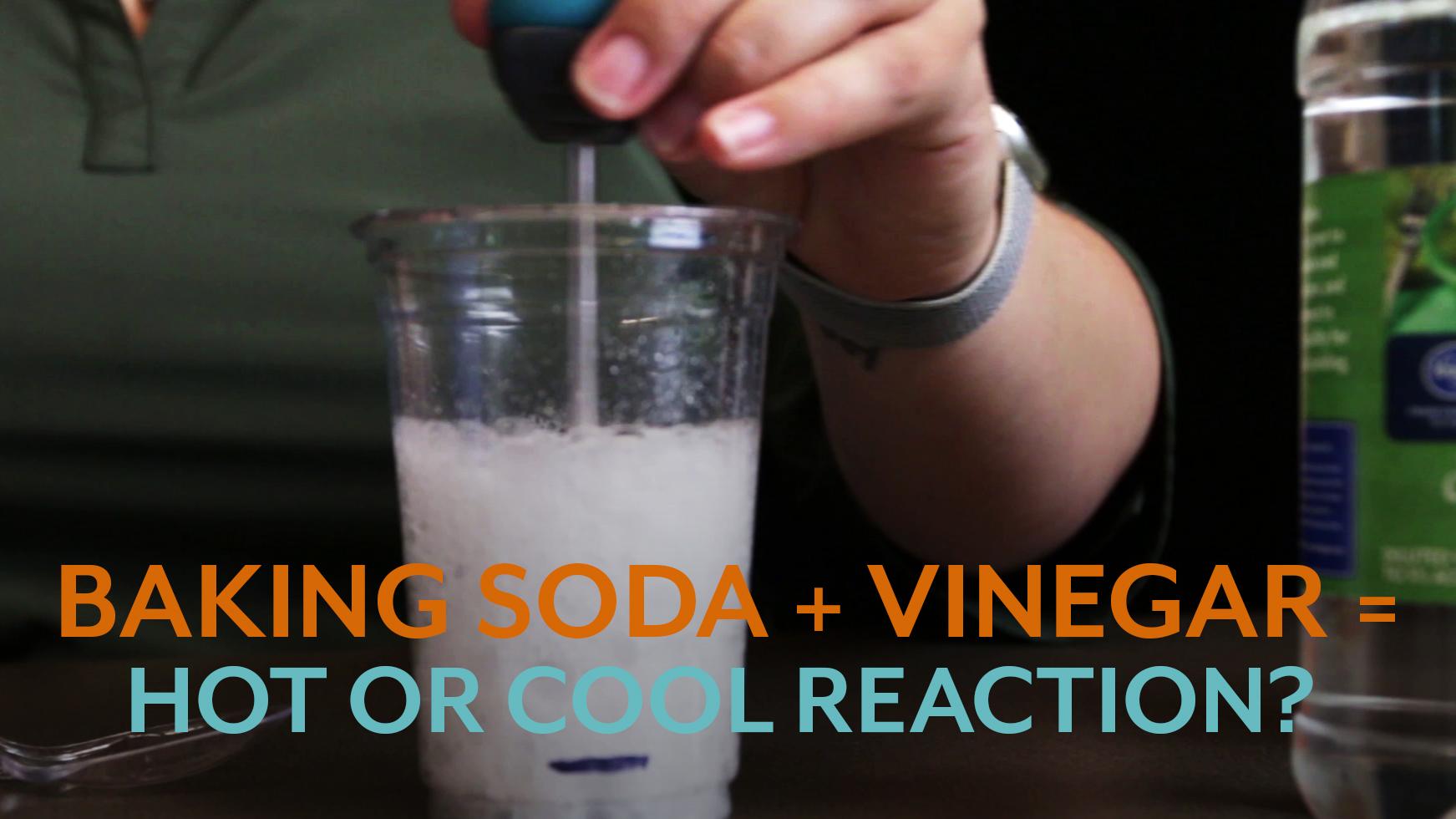
When you heat baking soda above about 80°C (176°F), it undergoes a chemical reaction called thermal decomposition. The compound (sodium bicarbonate) breaks down into sodium carbonate, water vapor, and carbon dioxide gas. Those fizzy bubbles? They’re the same ones that help your cookies rise. But here’s the kicker: the leftover sodium carbonate is a stronger cleaning agent than baking soda itself. It’s more alkaline, so it cuts through grease and stains like a boss—perfect for families battling stubborn oven spills or crusty baking dishes. Real life: one mom I know sprinkles heated baking soda on her grill grates, lets it cool, and scrubs. No harsh chemicals, no fumes, just a sparkling clean cookout.
Why does this matter for your daily life? First, homemade cleaning products become far more effective. For example: to make a powerful scouring powder, spread baking soda on a baking sheet, heat it at 200°F (93°C) for an hour, then store it in a jar. This “washing soda” tackles soap scum in showers and burnt-on food on pans—saving you money and reducing plastic waste. Second, heating baking soda is a kitchen hack for crispy vegetables. Toss broccoli or potatoes in a pinch of pre-heated baking soda before roasting; the extra alkalinity speeds up browning, giving you restaurant-quality crunch in half the time. Families get tastier meals with less effort.
Must Read
But here’s a practical warning: don’t overdo it. If you heat baking soda to extremely high temperatures (above 850°C), it becomes sodium oxide, which is corrosive and dangerous. Stick to low, safe oven settings (200°F–300°F) for 30–60 minutes. Also, never heat it in a microwave—it can spark or cause uneven decomposition. Community tip: some gardeners use cooled, heated baking soda as a gentle pest deterrent. Mix a teaspoon with water and spray on aphids; the sodium carbonate disrupts their exoskeletons without harming your plants. That’s a win for your herbs and your neighbors’ organic gardens.
Easy ways to apply it today: Grab a cookie sheet, spread a thin layer of baking soda, and bake at 200°F for one hour. Let it cool completely. Use it as a deodorizer for smelly shoes (it’s stronger than the raw stuff), a laundry booster (add a tablespoon to your wash to soften water), or a drain cleaner (chase it with vinegar and hot water). For individuals on a budget, this one cheap ingredient can replace three store-bought cleaners. For renters, it’s a non-toxic way to leave your place spotless. For parents, it means fewer chemicals around kids and pets.
 Case Based MCQ - Sanjana while preparing cake used - Science Class 10
There’s even a social angle: communities facing hard water find heated baking soda a godsend. The extra alkalinity helps soap lather better, reducing mineral buildup in pipes and saving money on plumbing repairs. One neighborhood in Arizona runs a “Baking Soda Bake” event where volunteers turn boxes of the stuff into cleaning powder for families in need. It’s proof that a simple science experiment can build connection—and keep homes healthier.
At its heart, heating baking soda is a small act with big ripple effects. You’re not just playing chemist; you’re creating a versatile, eco-friendly tool that saves cash, cuts waste, and makes everyday tasks easier. So next time you preheat an oven for cookies, toss in a tray of baking soda too. The result? A stronger you—ready to scrub, cook, and care with a little extra sparkle. That’s the kind of upgrade any home can get behind.