What Happens If You Freeze Whipped Cream

If you love a dollop of cloud‑soft whipped cream on hot cocoa, you might wonder what happens when you decide to freeze it. This kitchen experiment is both fun and surprisingly...
If you love a dollop of cloud‑soft whipped cream on hot cocoa, you might wonder what happens when you decide to freeze it. This kitchen experiment is both fun and surprisingly helpful, offering a quick way to have a ready‑to‑use topping for any dessert. By freezing whipped cream you protect its flavor and create a versatile pantry staple that can be pulled out at a moment’s notice, saving you time and effort when friends drop by. You’ll also gain a little ice‑cream‑like texture that can turn ordinary desserts into something special, and the process is as simple as a few minutes of prep followed by a freezer stint.
When you slide a bowl of freshly whipped cream into the freezer, the water inside expands as it turns to ice, and the fat droplets that give whipped cream its smooth body begin to solidify around those ice crystals. The result is a firm, almost cotton‑candy-like slab that still retains the sweet, buttery notes of the original. Because the fats freeze first, they act like a protective shell, preventing the liquid from becoming watery and keeping the cream’s airy structure intact for later use. This subtle shift in state is what makes frozen whipped cream both a science lesson and a culinary delight.
Creative cooks have turned frozen whipped cream into miniature treat blocks for hot‑shakes, layered them into parfaits for a crunchy‑creamy bite, or even crumbled them over fresh fruit for an instant “cloud” topping. Another popular idea is to roll the frozen slab into thin slices and drape them over warm brownies, where the cream gently melts and creates a velvety glaze. You can also freeze flavored variations—add a splash of vanilla, cocoa, or a hint of citrus zest before freezing—so each scoop brings a burst of unpredictable flavor when thawed.
Must Read
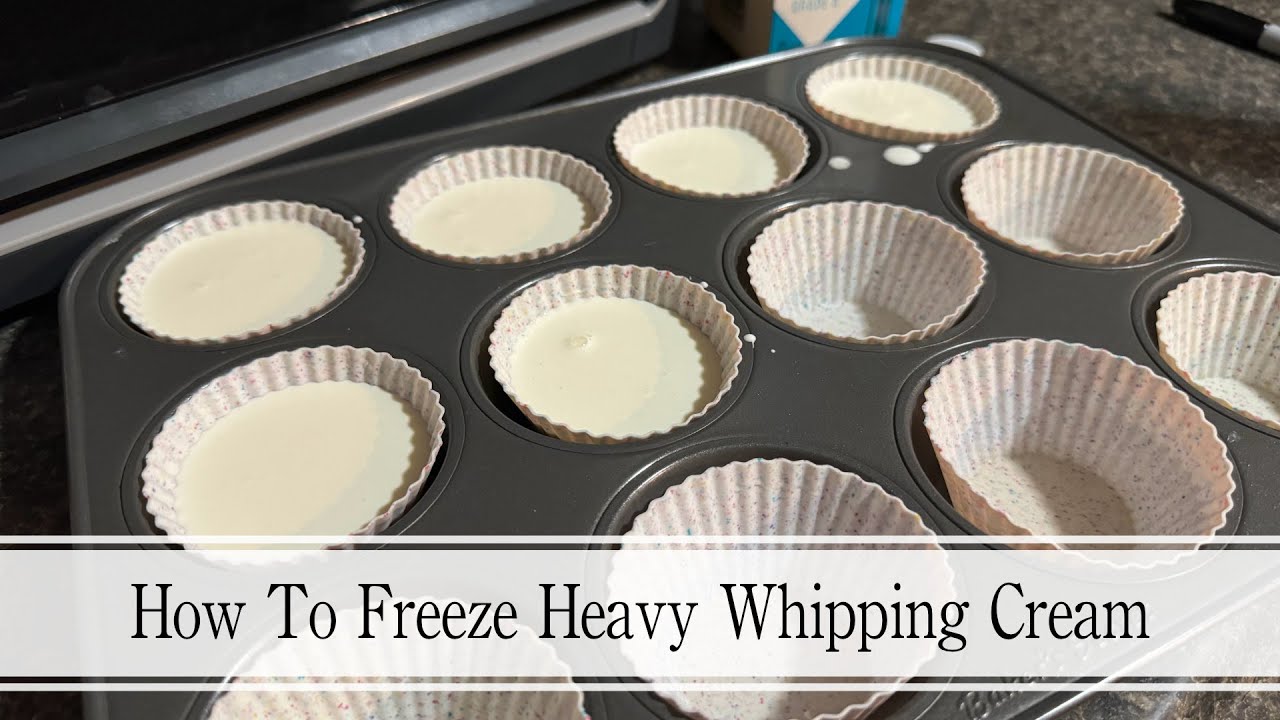
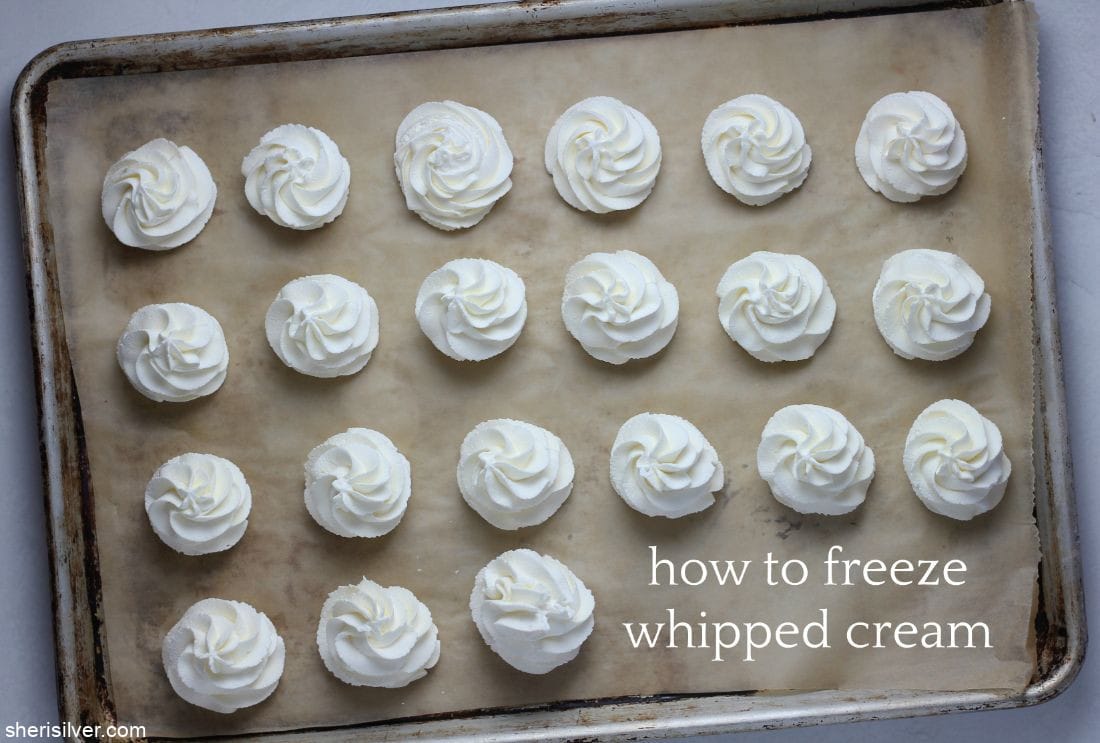
To start, line a small tray or silicone mold with parchment paper and spread an even layer of whipped cream, about ½ inch thick. Pop the tray into the freezer for 2‑3 hours, covering it with a lid or plastic wrap to keep out freezer odors. Once solid, cut the slab into bite‑size pieces or squares and transfer them to a resealable freezer bag, squeezing out excess air. Label the bag with the date and any flavor notes, and you’ll have a neat, organized stash ready whenever a dessert needs a quick lift.
 Whipped Cream Can You Freeze
When you’re ready to use your frozen whipped cream, the best method is to let it thaw in the refrigerator for 10‑15 minutes. This gentle warming restores the cream’s softness without turning it into a puddle. If you’re in a hurry, place the frozen slab in a bowl and let it sit at room temperature for a few minutes, then give it a quick whip with a hand mixer to bring back the fluffy texture. Avoid microwaving, as the intense heat can break down the fat and cause the cream to lose its airy structure, leaving you with a dense, watery mess.
Freezing whipped cream is a simple trick that blends science, creativity, and practicality into one handy kitchen hack. It expands the possibilities for desserts, saves time, and adds a touch of whimsy to any dish that calls for a cloud‑soft topping. So next time you’re whipping up a batch, set aside a small portion for the freezer and enjoy the satisfaction of having a ready‑made treat waiting in the wings. Happy freezing!


