What Happens If You Boil Eggs Too Long

Boiling eggs is one of those simple kitchen tasks that most of us do on a regular basis, yet it’s surprisingly easy to over‑do. The topic of what happens when eggs stay in the...

Boiling eggs is one of those simple kitchen tasks that most of us do on a regular basis, yet it’s surprisingly easy to over‑do. The topic of what happens when eggs stay in the hot water longer than intended is both enjoyable and practical. It helps home cooks, busy parents, and anyone who loves a quick protein boost understand the science behind a perfectly cooked yolk. Knowing what goes wrong can improve breakfast, meal‑prep boxes, and even baking recipes, making everyday cooking a little more confident and a lot more satisfying.
When an egg is boiled for too long, the proteins in the white tighten too much and the yolk turns a dull greenish‑grey. This colour comes from a reaction between sulfur in the egg white and iron in the yolk, forming a thin ring that looks like a small chalk circle. The longer exposure to heat also drives off moisture, leaving the yolk crumbly and the white rubbery. In short, the texture becomes less pleasant, and the aroma can shift from fresh to slightly sulphurous.
These changes affect how eggs fit into different lifestyles. For someone prepping lunches for the week, an over‑cooked egg may be crumbly enough to toss into a salad but can also leave a lingering smell that mixes with other flavors. Nutritionally, the protein remains intact, but the lower moisture may make the egg feel drier, prompting extra condiments. On the other hand, a perfectly timed egg gives a smooth, creamy yolk that pairs beautifully with avocado toast or a classic deviled‑egg platter.
Must Read
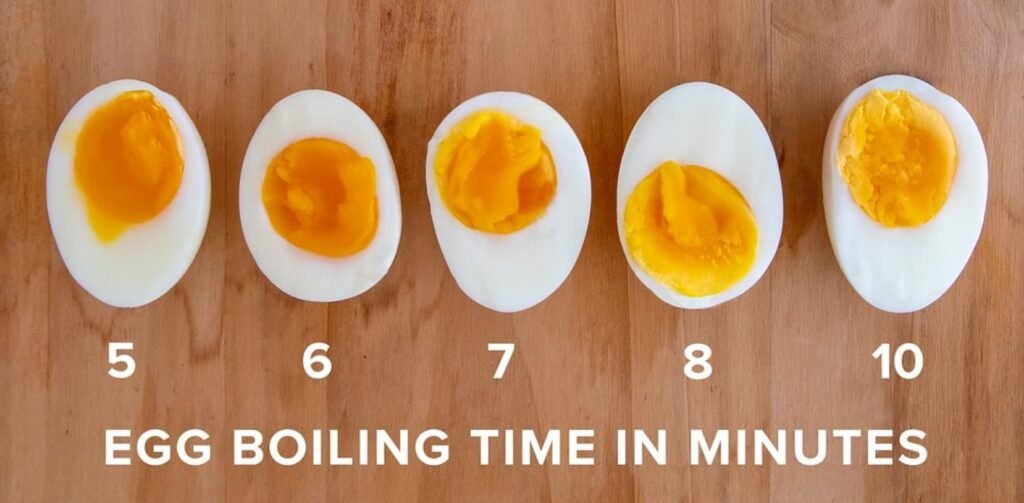
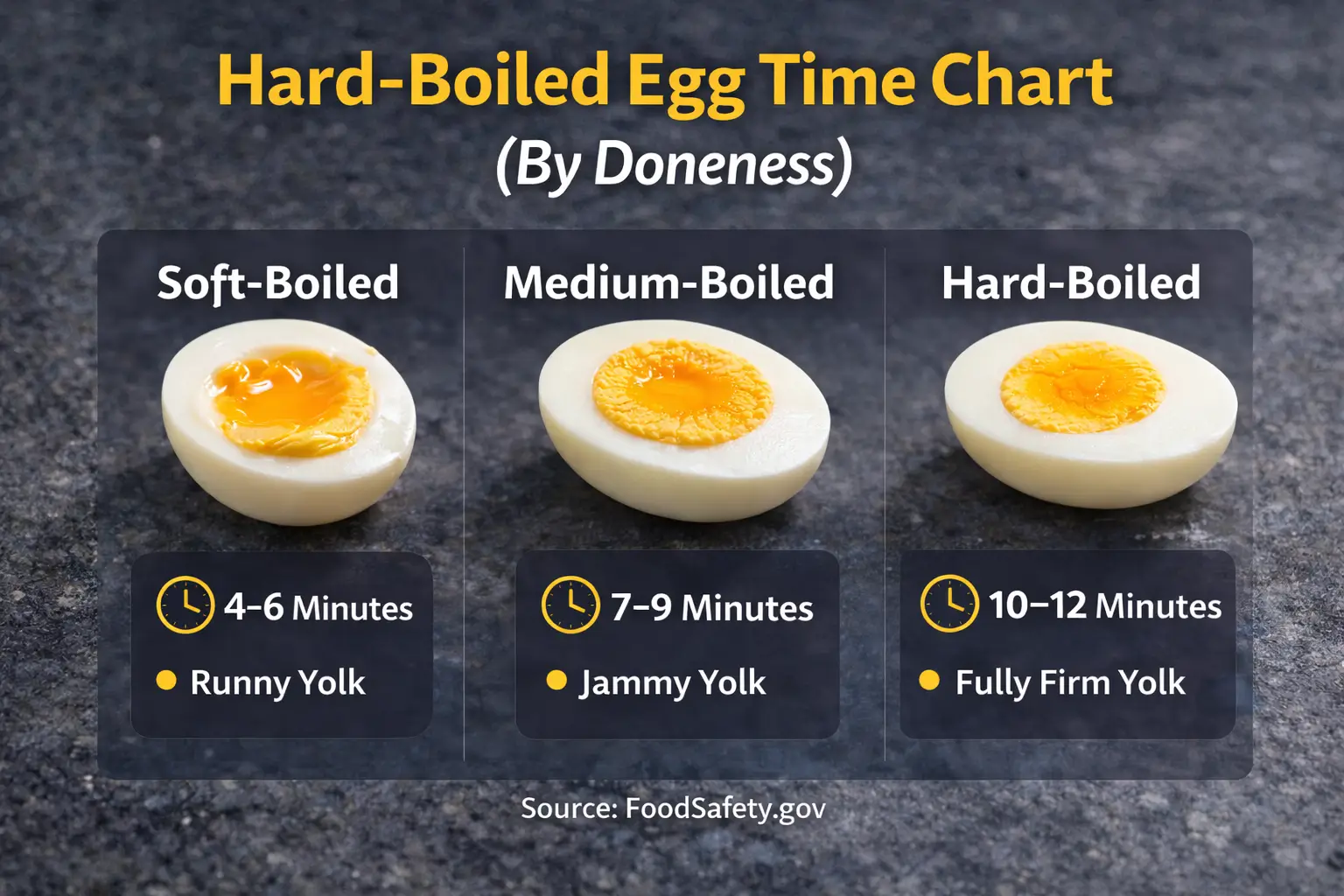
You’ll often see variations of boiled‑egg timing in recipes and menus. Soft‑boiled eggs, usually cooked for about seven minutes, keep a runny center that’s ideal for dipping bread. Medium‑boiled eggs, around ten minutes, give a custard‑like yolk that’s perfect for a breakfast sandwich. Hard‑boiled eggs, the classic twelve‑minute version, are the standard for salads and snack boxes. When you boil longer than twelve minutes, you’re essentially pushing a hard‑boiled egg into what some call over‑cooked, where the white becomes firm and the yolk develops that unwanted green halo.
To avoid the pitfalls, timing is your best friend. Start by bringing a pot of water to a gentle boil, then lower the eggs in with a spoon and set a timer for ten minutes for a medium‑done yolk. Once the timer pings, transfer the eggs immediately into an ice‑bath for at least five minutes; the shock stops the cooking and prevents the thermal “carry‑over” that can add an extra minute. If you prefer a firmer yolk, add two minutes, but stop there unless you truly want a chalky texture. Simple tools like a kitchen timer and a bowl of ice are all you need to keep your eggs perfect every time.
 How Long to Boil Hard-Boiled Eggs Perfectly
Boiling eggs too long isn’t a disaster, but a little awareness turns a bruised yolk into a bright, creamy star on your plate. Keep the timer handy, remember the ice bath, and you’ll enjoy eggs that are both tasty and visually appealing. Your breakfast, lunch, and any dish that calls for a boiled egg will thank you for the extra minute of thoughtful cooking.
Rather than guess, you can use a spin test: a smooth spin means it’s set; a wobble shows it’s still soft, while a fast spin hints at over‑cooking.