What Happens If You Boil An Egg Too Long

Egg-cellent Disasters: What Happens When Your Boil Overruns Alright, folks, let's talk eggs. We all love 'em, right? Scrambled, fried, poached, or boiled - they're the chamel...

Egg-cellent Disasters: What Happens When Your Boil Overruns
Alright, folks, let's talk eggs. We all love 'em, right? Scrambled, fried, poached, or boiled - they're the chameleons of the kitchen. But have you ever wondered what happens when you boil an egg just a tad too long? I mean, it's just an egg, right? What's the big deal?
Well, grab a cuppa, 'cause we're about to dive into the fascinating world of overboiled eggs. And don't worry, I promise not to bore you with too many scientific details. We're keeping it real and relatable here.
It's All About Timing
You know how it is when you're trying to catch the bus. A few seconds too early, and you're standing there like a lemon, freezing your toes off. A few seconds too late, and you're left waving at the back of the bus, muttering under your breath. Eggs are the same. Timing is everything.
Must Read
When you boil an egg, you're aiming for that sweet spot between perfectly cooked and overcooked. The ideal time? Around 9 minutes for a medium boil. But what happens when you go over that magic number?
Green Rings and Rubber Eggs
Ever noticed those green rings around the yolk of an overcooked egg? They're not just an eyesore, they're a sign that your egg has seen better days. Those rings are a result of a chemical reaction between the iron in the yolk and the sulfur in the egg white. It's like a bad breakup - they're better off apart.
And then there's the texture. Overcooked eggs can turn into something resembling a rubber chicken. The proteins in the egg white become so tightly coiled that they're practically impossible to unravel. It's like trying to untangle a knot in a hurry - it's just not worth it.
Nutritional No-No
Now, you might be thinking, "So what if my egg looks a bit funny and feels like a stress ball? I'm still getting my protein, right?" Well, yes, you are. But overcooking can also destroy some of the egg's vital nutrients.
Eggs are packed with vitamins and minerals, but they're also delicate. Heat can break down these nutrients, leaving you with an egg that's high in protein but low in essential vitamins. It's like having a library with no books - sure, it's a building with shelves, but it's not very useful.
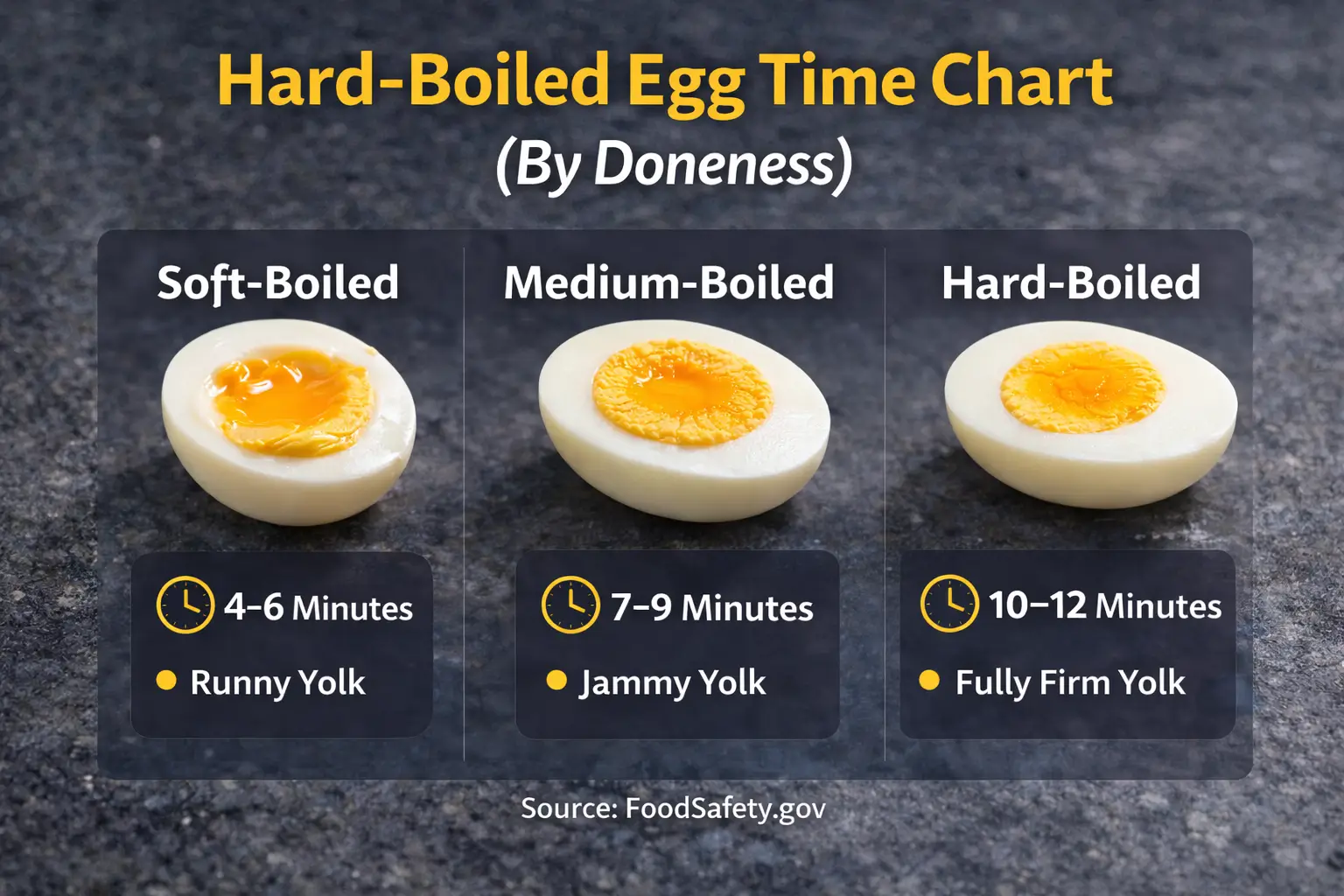 How Long to Boil Hard-Boiled Eggs Perfectly
Egg-speriment Time
Alright, let's get practical. Ever wondered what happens if you leave an egg in boiling water for, say, 30 minutes? I did. And let me tell you, it's not pretty. The egg turns into something that resembles a crime scene more than a breakfast food. The yolk turns a strange, unnatural green, and the white becomes so tough, it's practically inedible.
But here's the thing - it's not just about the taste or the texture. Overcooking eggs can also make them harder to digest. That's right, folks. You could be doing your stomach a disservice with every overcooked egg you eat.
So, What's the Takeaway?
Here's the thing - it's not about never overcooking an egg. Life happens, timers go off, we get distracted. But it's about being mindful, about understanding what's happening when we leave our eggs in the pot a little too long.
It's about appreciating the delicate balance of cooking, the sweet spot between perfectly cooked and overdone. It's about respecting our food, understanding its journey from farm to table, and treating it with the care it deserves.
So, the next time you're boiling eggs, keep an eye on the clock. Your taste buds, your stomach, and even your eyes will thank you. And who knows? You might just become the egg whisperer of your household. Happy cooking!
