What Happens If You Bake Sticky Cookie Dough

There’s something deeply satisfying about the process of baking, but even the most seasoned home cook has faced the sticky, stubborn blob of dough that refuses to cooperate. T...

There’s something deeply satisfying about the process of baking, but even the most seasoned home cook has faced the sticky, stubborn blob of dough that refuses to cooperate. The topic of what happens when you bake sticky cookie dough is not just a kitchen curiosity; it’s a practical and universally appreciated guide for anyone who loves the smell of fresh cookies but hates the mess. Whether you’re a busy parent trying to make a quick treat, a college student with a single bowl and a spoon, or a perfectionist baker chasing that “café-style” chew, understanding this simple shift can save your batch and your sanity. It’s the difference between a flat, greasy puddle and a golden, pillowy masterpiece. Many of us have been there: you’ve just mixed a batch of chocolate chip dough, it’s sticking to your fingers, and you wonder, Should I just bake it like this? The answer is more nuanced than you think, and getting it right brings a small, delicious victory to any baker.
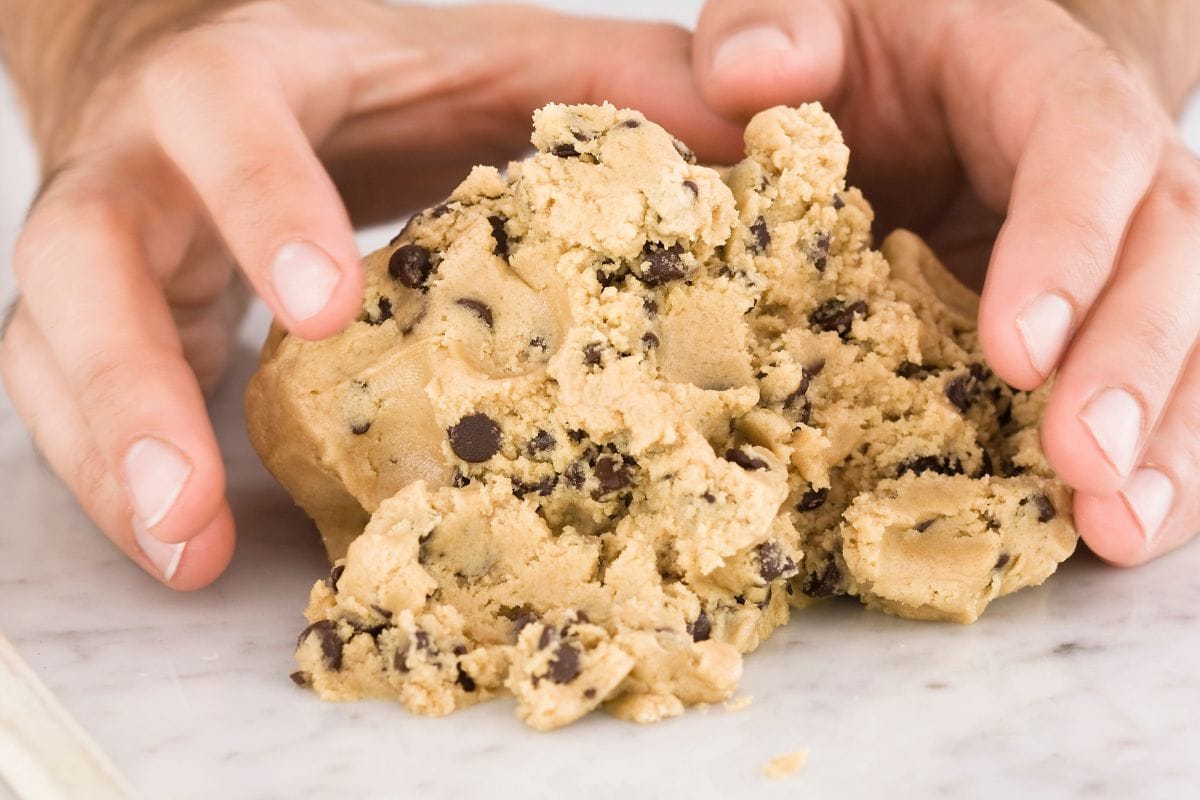
At its core, baking sticky dough is about managing moisture and structure. When a dough is sticky, it usually means it has a higher ratio of wet ingredients (like butter, eggs, or brown sugar) to dry ingredients (like flour). If you slide it into the oven immediately, the heat will melt the fat before the structure can set. The result? Wide, thin cookies that spread aggressively, with crisp edges and a chewy center. This isn’t necessarily a disaster—some people love a lacy, crunchy cookie. But if you were hoping for a thick, soft, bakery-style cookie, that sticky dough will betray you. The key lesson is that stickiness is a sign of potential, not failure. It’s a warning that your dough needs a little patience before it hits the heat.
One of the most effective ways to salvage sticky dough is chilling. This is the single best tip a baker can give you. When you refrigerate that tacky dough for at least 30 minutes (or overnight), the butter solidifies again, and the flour fully absorbs the liquid. This does two amazing things: first, it reduces spread, meaning your cookies will stay tall and thick. Second, it deepens the flavor as the sugar and vanilla mingle. If you bake chilled sticky dough straight from the fridge, you get a cookie with a crisp exterior and a soft, fudgy interior—the texture that makes grocery store bakery counters famous. So, don’t panic; just pop that bowl in the fridge and wait.
Must Read
Another common variation is the “scoop and bake” method for very sticky doughs, like those for snickerdoodles or chewy oatmeal raisin. For these, a little extra flour is your friend, but tread lightly. Sprinkle just one tablespoon of flour over the surface and fold it in gently until the dough is barely workable. If you overmix, you’ll develop gluten and end up with tough, bready cookies instead of tender ones. A smarter hack is to lightly grease your hands or use a cookie scoop dipped in cold water. This prevents the dough from clinging to everything while keeping the recipe’s intended moisture intact. Remember, a sticky dough is often a moist, flavorful dough, so don’t kill it with flour.
Beginner bakers often overlook the importance of parchment paper or a silicone mat when dealing with sticky dough. These non-stick surfaces are not just for easy cleanup; they actually help the cookie bake evenly. When sticky dough is placed directly on a bare metal pan, it can caramelize and stick violently, leading to a torn, sad cookie. Parchment paper also helps control heat distribution, so your thin, spread-out cookies won’t burn on the bottom before the center is done. If you’re short on time and cannot chill the dough, this simple swap is your best defense against a mess.
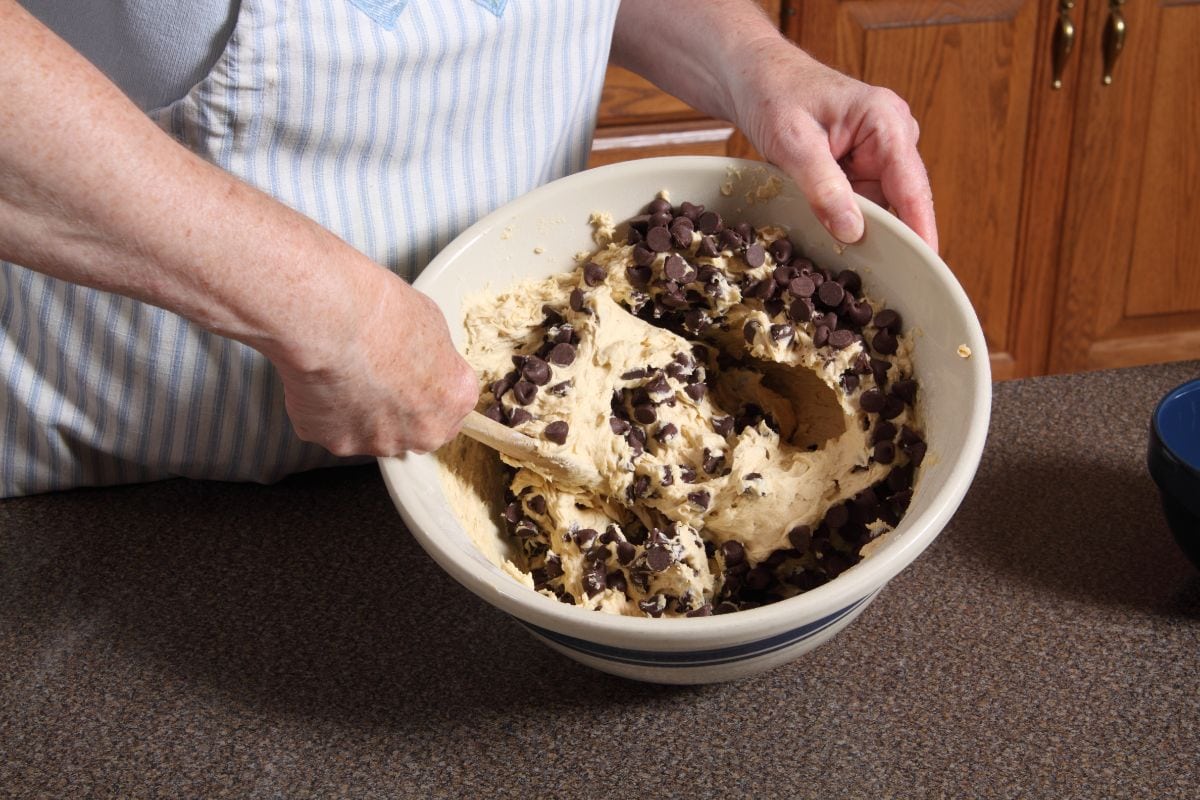 Sticky Cookie Dough Fix - What Kate Baked
For those who embrace the sticky outcome, try this variation: intentionally under-bake. If your sticky dough spread out and you’re worried it’s too thin, pull it from the oven when the edges are golden but the center looks slightly underdone and glossy. Let it cool on the pan for five minutes. Those soft, warm centers will set into a chewy, almost gooey texture that feels indulgent. Pair it with a glass of cold milk, and you’ve turned a “mistake” into a signature treat. In fact, many professional bakers chill dough specifically to achieve this contrast—crisp edges, soft heart—using stickiness as a tool, not a problem.
Finally, remember that experience is the best teacher. The next time your dough is sticky, don’t throw it out. Embrace it with a plan: chill it first, use parchment, or simply accept a thin, crispy result. You’ll soon recognize the signs of a good sticky dough (one that’s just a bit tacky, not soupy) versus a bad one (overly wet or greasy). This knowledge transforms baking from a strict recipe-following chore into a creative, forgiving art. So get your hands dirty, trust the process, and enjoy the warm, sweet reward that comes from knowing exactly what to do when the dough sticks.