What Fruit Has The Highest Sugar Content

Welcome, fruit lovers and sugar sleuths! Have you ever bitten into a perfectly ripe mango and felt that rush of sweetness, or wondered why your morning smoothie tastes like ca...

Welcome, fruit lovers and sugar sleuths! Have you ever bitten into a perfectly ripe mango and felt that rush of sweetness, or wondered why your morning smoothie tastes like candy? You’re not alone. The question of which fruit has the highest sugar content is not just a fun trivia fact—it’s a practical key to understanding your energy levels, your cravings, and even your health goals. Whether you’re managing blood sugar, fueling a workout, or simply satisfying a sweet tooth naturally, knowing which fruits pack the most sugar helps you make smarter, more joyful choices. It turns every trip to the farmers’ market into a delicious science experiment where you’re the star.
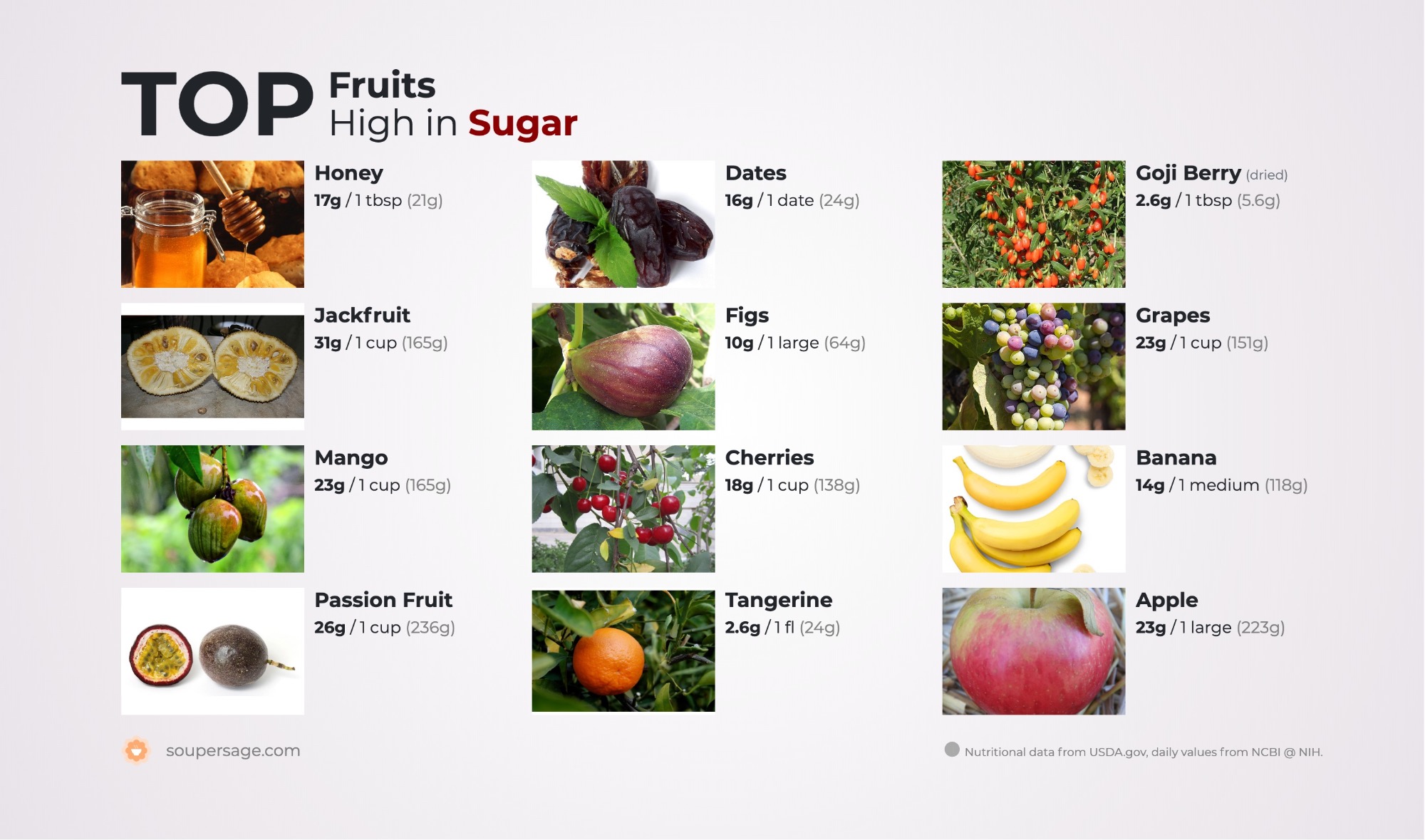
Let’s cut straight to the juicy chase. When we talk about fruit sugar, we’re usually referring to fructose and glucose—natural sugars that come bundled with fiber, vitamins, and antioxidants. So, what fruit takes the crown? Hold your apples and oranges—the winner is the humble date. Yes, those sticky, caramel-like drupes from the date palm can contain a staggering 66 grams of sugar per 100 grams, making them the undisputed sugar champion. But don’t let that scare you off! Dates are also rich in potassium, copper, and fiber, so their sugar is slowly released. For a fresh fruit, the title goes to grapes (about 16–18g per 100g), closely followed by mangoes, cherries, and lychees. Imagine a bunch of Concord grapes—almost like nature’s candy. On the lower end? Berries, especially raspberries and blackberries, usually hover around 4–5g per 100g, making them a low-sugar superstar.
Here’s where it gets creative: you can use these high-sugar fruits to your advantage. Think of them as nature’s sweeteners. Instead of adding refined sugar to your oatmeal, toss in a handful of chopped dates or a mash of ripe banana. You get sweetness plus fiber, which blunts blood sugar spikes. Ever tried date paste? Soak dates, blend them with a little water, and you’ve got an all-purpose sweetener for baking or drizzling on pancakes. Or consider a mango lassi—blend frozen mango with yogurt and a pinch of cardamom. The mango’s natural sugars make it creamy and satisfying without a grain of added sugar. For a party trick, freeze red grapes and eat them like mini sorbet balls—they’re refreshing, sweet, and a hit with kids and adults alike.
Must Read
But here’s a twist: sugar content isn’t the only thing that matters. Glycemic index (GI) and glycemic load (GL) often matter more. For example, a watermelon has about 6–8g of sugar per 100g—lower than grapes—but it has a higher GI because the sugar is absorbed quickly. Meanwhile, a fig (around 16g sugar per 100g) has a lower GI because of its fiber. So, if you’re watching your blood sugar, the ripeness of the fruit is your secret weapon. A ripe banana can have twice the sugar of a green one. Want to slow down sugar absorption? Pair high-sugar fruits with protein or fat. Slice a date and stuff it with almond butter, or have a handful of grapes with a cheese stick. This turns a sugar spike into a gentle, sustained energy release.
Now, a practical tip for your next grocery run: buy them frozen. Frozen fruits, like mango chunks or cherries, are picked at peak ripeness (when sugar is highest) and flash-frozen, locking in that sweetness. They’re often cheaper than fresh, and you can control portions easily. If you’re using them in a smoothie, add a handful of spinach or a tablespoon of chia seeds to balance the sugar with fiber and protein. Also, watch out for dried fruits. Dried apricots, figs, and especially raisins are deceptively sweet because the water is gone. A small box of raisins (1.5 oz) has about 25g of sugar—roughly the same as a full cup of fresh grapes. So if you love dried mango or banana chips, treat them like candy rather than a free-for-all snack.
 Top 15 Fruits Highest In Sugar – ISNUKI
Let’s not forget the cultural angle. In many tropical countries, high-sugar fruits like jackfruit, custard apple (sugar apple), and durian are celebrated for their intense sweetness and are often used in festivals and traditional desserts. The durian—famous for its pungent smell—can contain up to 27g of sugar per 100g and is considered a king of fruits in Southeast Asia. It’s a wonderful reminder that “high sugar” doesn’t mean “bad”—it means nutrient density and cultural tradition. You can explore these fruits in small portions as a special treat, perhaps as a dessert after a dinner rich in vegetables and lean protein. That way, you enjoy the sweetness without overdoing it.
Finally, here’s a simple way to start your own fruit sugar experiment. For one week, swap your usual afternoon cookie or candy bar for a high-sugar fruit like a Medjool date (one date has about 16g sugar) or a small bowl of ripe mango chunks. Notice how your energy feels 30 minutes later—no crash, just a steady hum. Compare that to the sugar rush from a processed snack. The fiber and antioxidants in the fruit change the game. You might even notice your taste buds adjusting. After a week, a grape might taste astonishingly sweet, and you’ll find you need less sugar overall. That’s the real magic: knowing which fruit has the highest sugar isn’t about fear—it’s about empowerment. So go ahead, bite into that date, and savor the natural sweetness with confidence.