What Food Has Nitric Oxide In It

So, there I was, scrolling through my Instagram feed, when I stumbled upon a post from my fitness-obsessed friend, Jake. He was raving about some new 'superfood' that was pack...

So, there I was, scrolling through my Instagram feed, when I stumbled upon a post from my fitness-obsessed friend, Jake. He was raving about some new 'superfood' that was packed with nitric oxide. I was like, "Nitric oxide? Isn't that the stuff that makes my car's engine purr?" Well, it turns out, it's also pretty darn important for our bodies. And guess what? It's not just hiding in those fancy superfoods. It's lurking in some pretty everyday stuff too. Let's dive in, shall we?
What's the Big Deal About Nitric Oxide?
Alright, so nitric oxide, or NO for short, is a gas that's produced naturally in our bodies. It's a crucial player in a bunch of processes, from regulating blood flow to helping our immune system fight off infections. It's also been linked to improved exercise performance, better brain function, and even enhanced sexual health. Not bad for a tiny gas, huh?
But here's the thing, our bodies can only produce so much nitric oxide on their own. That's where diet comes in. Certain foods can help boost our nitric oxide levels. And that, my friends, is what we're here to talk about.
Must Read
Meet the Nitric Oxide All-Stars
Beets: The King of Nitric Oxide
If we're talking nitric oxide, we've got to start with beets. These humble root veggies are packed with something called nitrates, which our bodies convert into nitric oxide. Studies have shown that drinking beet juice can increase nitric oxide levels in our blood by a whopping 20% in just a few hours. That's like a red carpet entrance for our blood vessels!
But here's the catch, you've got to be okay with your pee turning a bit pink. It's totally normal and nothing to worry about, but it can be a bit of a surprise the first time it happens. You've been warned!
Spinach and Other Leafy Greens
Remember Popeye and his spinach-powered strength? Well, there's some truth to that. Spinach is another nitrate powerhouse. It's not as concentrated as beets, but it's still a great source. Plus, it's way easier to incorporate into your daily meals. Salads, smoothies, even a side dish - spinach is versatile!
And it's not just spinach. Other leafy greens like arugula, kale, and collard greens also contain nitrates. So, go ahead, have a salad bar extravaganza. Your body will thank you!
Nuts and Seeds
Almonds, walnuts, chia seeds, and sunflower seeds - they're not just tasty snacks, they're also nitric oxide boosters. These little powerhouses are packed with L-arginine, an amino acid that our bodies use to make nitric oxide.
So, next time you're feeling peckish, reach for a handful of nuts instead of that bag of chips. Your heart (and your waistline) will appreciate it!
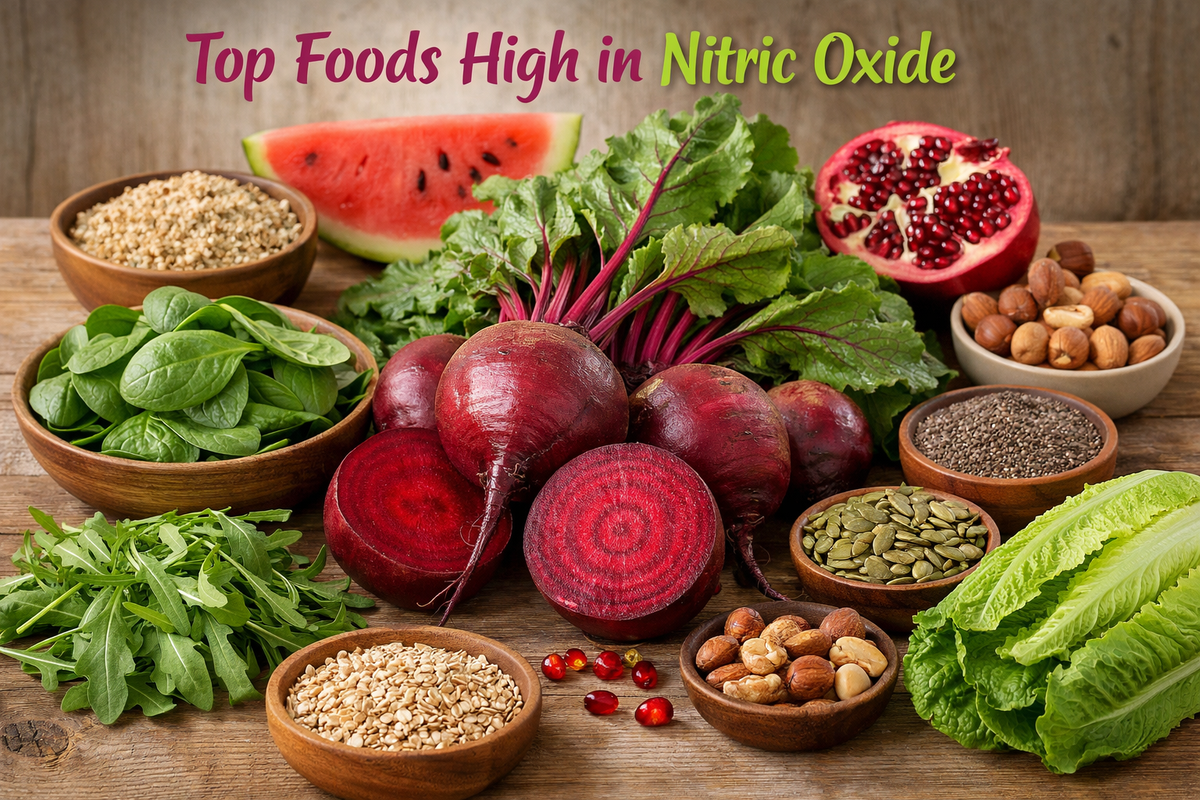 Top Foods High in Nitric Oxide for Athletes and Health – Beet It US
Dark Chocolate: The Sweet Side of Nitric Oxide
Now, here's where things get interesting. Dark chocolate, the richer the better, is also a source of nitrates. And yes, that means you can have a little piece of chocolate every day and call it 'healthy'. I know, I know, I'm the best.
But remember, we're talking dark chocolate here. The higher the cocoa content, the more nitrates it's got. So, don't go reaching for that milk chocolate bar just yet.
Honorable Mentions
Other foods that can help boost your nitric oxide levels include pomegranates, citrus fruits, and even certain types of seafood like oysters and shrimp. So, go ahead, have a pomegranate martini with your shrimp cocktail. It's practically a health drink!
Oh, and a quick word on supplements. While there are nitric oxide supplements out there, it's always best to get your nutrients from food first. Our bodies are designed to process and use nutrients from food in a way that they just can't replicate with supplements.
So, What's the Takeaway?
Alright, folks, here's the deal. Nitric oxide is awesome, and it's not just hiding in those expensive superfoods. It's in everyday foods like beets, spinach, nuts, and even dark chocolate. So, go ahead, enjoy your food, and know that you're doing something great for your body.
And remember, I'm not a doctor, just a curious foodie who likes to share what I've learned. Always consult with a healthcare professional before making any significant changes to your diet.
Now, who's ready to go beet juice crazy?
