What Flour Do You Use To Make Pancakes

There is something wonderfully simple yet endlessly debated about making pancakes at home. It is a breakfast staple that brings people together over the weekend, makes morning...
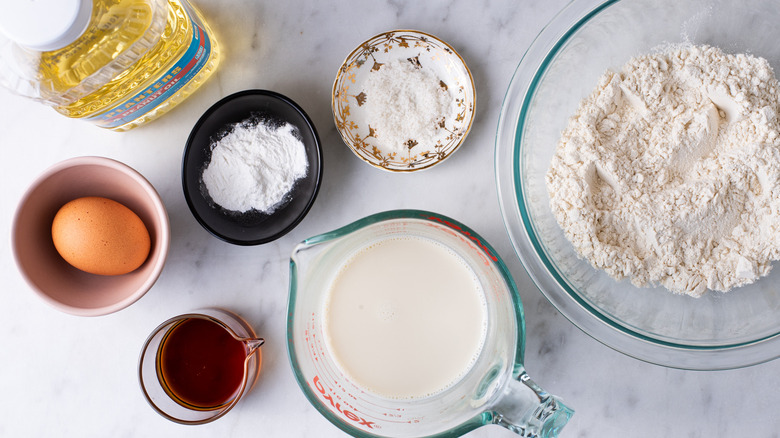
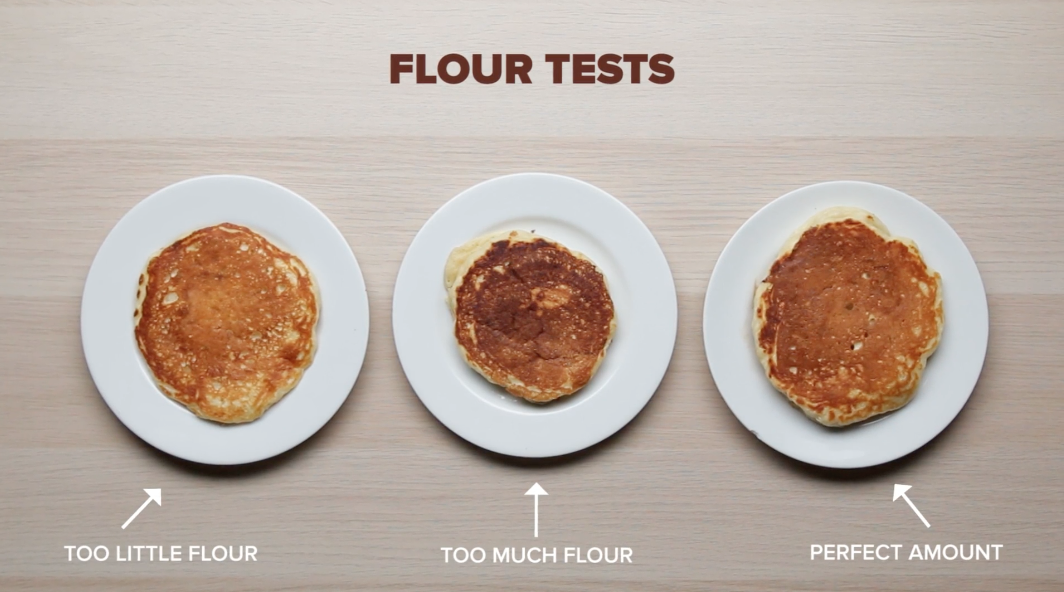
There is something wonderfully simple yet endlessly debated about making pancakes at home. It is a breakfast staple that brings people together over the weekend, makes mornings special for kids, and delivers comfort on cold days. The conversation often starts with one deceptively small question: what flour do you use? The answer can shape the entire texture, taste, and fluffiness of your stack, which makes exploring different options both fun and practical for home cooks of every level.
The most common and widely recognized choice is all-purpose flour, and for good reason. It delivers consistent results with moderate protein content, giving pancakes a balanced structure that is neither too dense nor too cakey. If you are a beginner or someone who simply wants a reliable golden-brown pancake without overthinking the recipe, all-purpose flour is your safest bet. It pairs well with milk, eggs, and a touch of butter to yield a dependable, everyday pancake that pleases almost everyone at the table.
For those seeking something a little different, cake flour offers a noticeably softer and more tender crumb thanks to its lower protein content. Pancakes made with cake flour tend to feel lighter on the tongue and the stomach, making them ideal for delicate syrups and fresh fruit toppings. On the opposite end of the spectrum, bread flour brings a higher protein level that results in thicker, chewier pancakes with a more pronounced bite. Some cooks even mix in a tablespoon or two of bread flour to add a bit of structure without going too far.
Must Read
Health-conscious pancakes have also sparked interest in whole wheat flour, oat flour, and almond flour. Whole wheat provides a nutty, earthy flavor and extra fiber, though the pancakes will be denser than their white-flour counterparts. Oat flour lends a naturally sweet and wholesome quality, while almond flour creates gluten-free pancakes with a rich, indulgent taste. Blending two or more of these flours is a popular trick to enjoy the benefits of each without sacrificing too much on texture.
 Here's The Ultimate Buttermilk Pancakes Recipe
To get started with experimenting, try substituting one flour at a time in a trusted recipe rather than changing everything at once. Keep a simple pancake base on hand and swap in cake flour for one batch, then whole wheat for the next, and compare the results side by side. Small adjustments like resting your batter for five minutes before cooking or adding an extra splash of liquid can also help accommodate flours that behave differently from all-purpose. These minor tweaks make the process forgiving and enjoyable rather than stressful.
Ultimately, the best flour for pancakes is the one that matches your personal preference and dietary needs. There is no single correct answer, only what tastes and feels right for you and your family. So grab a bowl, pick a flour, and start pouring — the perfect pancake stack is closer than you think, and the journey of finding it is half the fun.