What Elements Are Used In Making Paint

Have you ever stopped mid-brushstroke and wondered, "Wait, what's actually IN this paint?" I know, I know — it sounds like one of those questions you'd hear at a science party...
Have you ever stopped mid-brushstroke and wondered, "Wait, what's actually IN this paint?" I know, I know — it sounds like one of those questions you'd hear at a science party (yes, those exist). But stick with me, because the answer is way more fascinating — and way more fun — than you might think.
Paint has been around for thousands of years, transforming everything from ancient cave walls to your neighbor's screaming yellow fence. And guess what? The basic recipe hasn't changed all that much. So let's crack open the can and see what's really floating around in there.
The Four Pillars of Paint
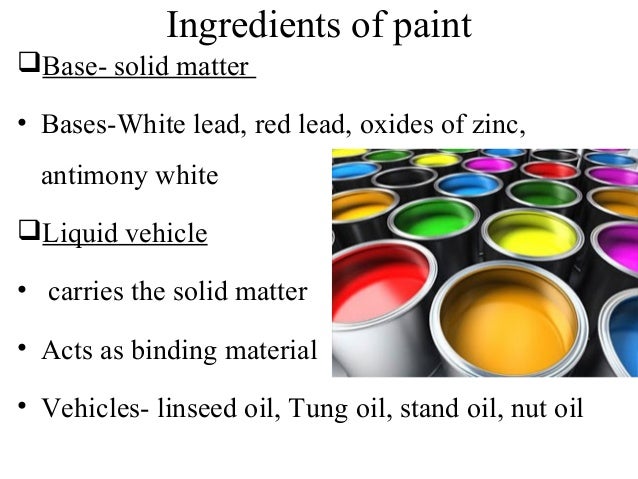
Here's the secret sauce: paint is really just four main ingredients doing a dance together. We're talking about pigment, binder, solvent (or carrier), and additive. That's it — four humble players creating all that colorful magic you see everywhere.
Must Read
Think of it like a band: the pigment brings the melody, the binder holds everyone together, the solvent keeps things flowing, and the additives? Well, they're the magic tricks. Now that we've met the band, let's give each member a proper introduction.
Pigment: The Star of the Show
If paint had a lead singer, it would be the pigment. This is what gives paint its gorgeous color — from bold reds to subtle pastels — and without it, you'd just be slathering on slightly tinted goo (weird attempt, right?).
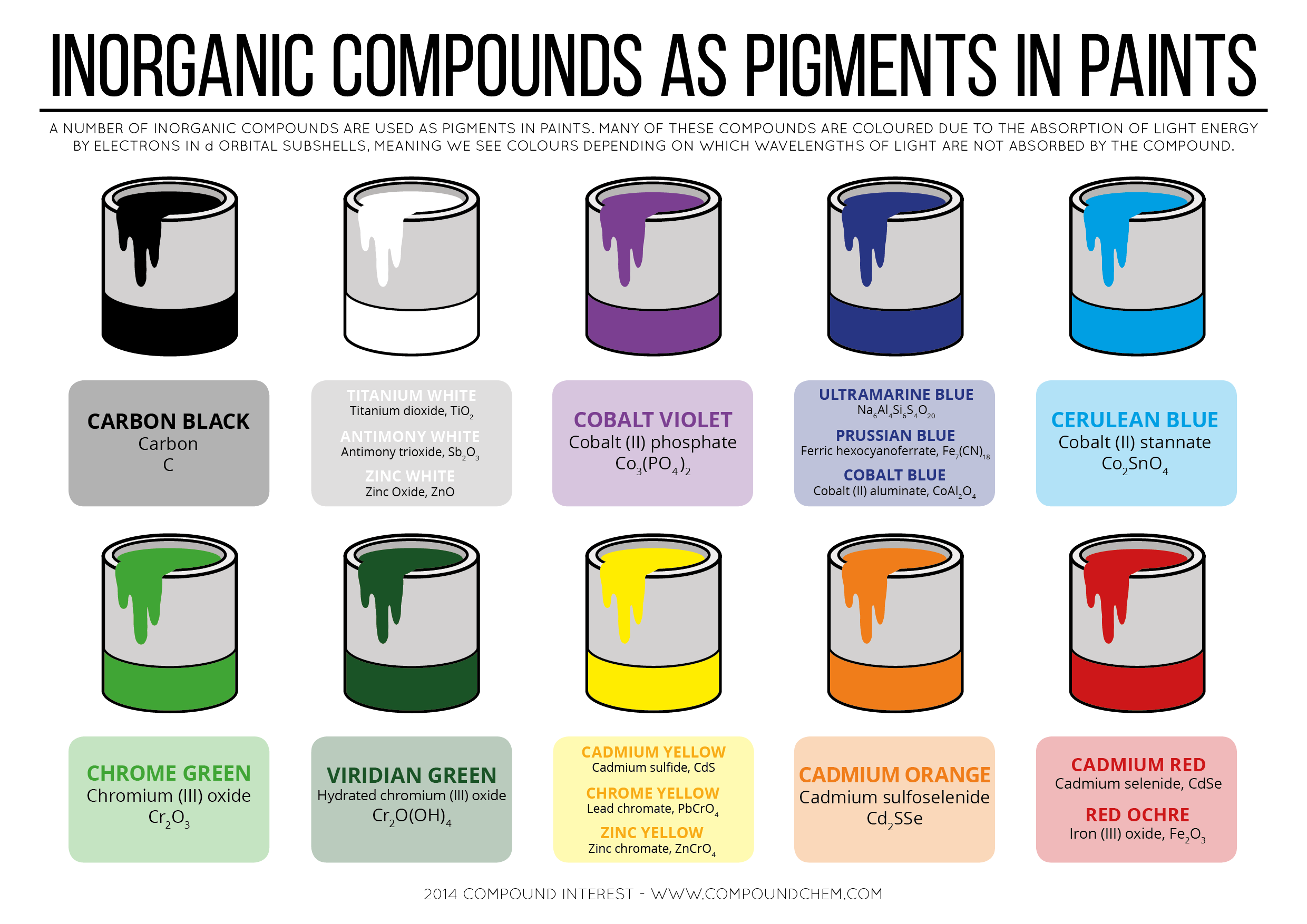
Pigments come from all sorts of places, which is honestly kind of cool. Some are naturally derived from minerals, plants, or even insects — yes, carmine red literally comes from dried cochineal bugs. Others are synthetically manufactured in labs, giving us brilliant colors nature never dreamed up.
The type of pigment you pick also affects how the paint behaves over time. Will your mural still pop after twenty years of sunshine, or will it fade like yesterday's popularity? That choice, my friend, lives in the pigment.
 Research and Teaching Companion
Binder: The Glue That Binds (Literally)
Now meet the binder, and if you're groaning at that name, just wait — it's actually perfect. This ingredient is the glue that holds your pigment particles together and sticks everything to whatever surface you're painting.
Common binders include oil, acrylic resin, latex, and casein (which comes from milk, fun fact!). Each binder gives paint a different personality — oil paint is rich and slow-drying, while acrylic dries fast and handles humidity like a champ.
So next time someone asks why oil paint feels so luxurious, you can drop that knowledge like a pro. See how fun this is already?
Solvent: Keeping Things Moving
Without the solvent, paint would be a dry, clumpy, unspreading nightmare — and nobody wants that on their Saturday afternoon project. The solvent (also called the carrier) is what keeps everything liquid and easy to apply.
 What Element Is Used in Making Paint? Complete 2026 Guide
In oil paints, the solvent is traditionally mineral spirits or turpentine. Water-based paints — like your trusty latex house paint — use good old water as their solvent, which is why they're so much easier to clean up.
Oh, and here's a great little aside: as paint dries, the solvent evaporates. That's why the wet paint looks different from the final finish — the solvent has literally bid you farewell.
Additives: The Secret Sauce
Ready for the wildcard? Additives are the little extras that make paint behave, last, and resist — basically, they're the hidden heroes of every can. We're talking about things like plasticizers, nullifiers, mildewcides, and UV protectors.
Want your exterior paint to fight off mold? Thank the additive. Need paint to dry faster or keep its sheen longer? Additives again. They range from barely-there amounts to surprisingly significant portions of the mix.
 Inorganic Compounds List
Without them, paint would peel, crack, fade, and generally misbehave — and we'd be angry homeowners rather than proud painters.
A Colorful Little Conspiracy
So the next time you pick up a brush and swatch a wall or create a canvas masterpiece, take a second to appreciate the brilliant chemistry happening right there in your hand. Four simple ingredients — pigment, binder, solvent, and additive — working in harmony to turn plain surfaces into pure joy.
Paint isn't just a product; it's a celebration of science, color, and human creativity rolled into one messy, wonderful can. And honestly? The more you learn about how everyday things come together, the more fun life gets.
So go ahead — crack open a can, grab a brush, and let your curiosity lead the way. The world of materials and science is bursting with surprises just waiting for you to discover them. Happy painting — and even happier learning!
