What Elements Are In Sodium Chloride

You probably don’t think much about it, but sodium chloride is literally everywhere. It’s the white stuff you shake on your fries, the reason your tears taste salty, and the u...
You probably don’t think much about it, but sodium chloride is literally everywhere. It’s the white stuff you shake on your fries, the reason your tears taste salty, and the unsung hero keeping your body running. Better known as table salt, this simple compound is one of the most popular minerals on Earth. Why? Because it’s dirt cheap, easy to get, and absolutely essential. Without it, your nerves wouldn’t fire, your muscles wouldn’t move, and your dinner would be boring. That’s a big deal.
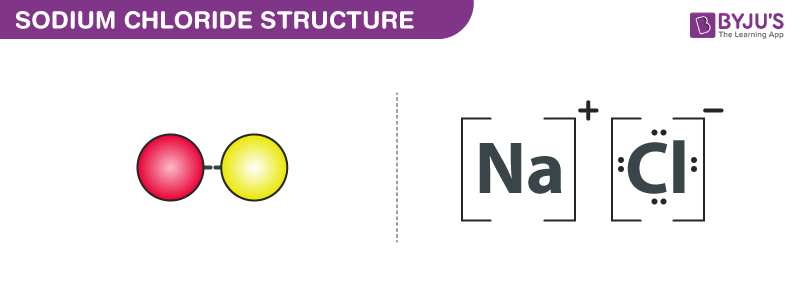
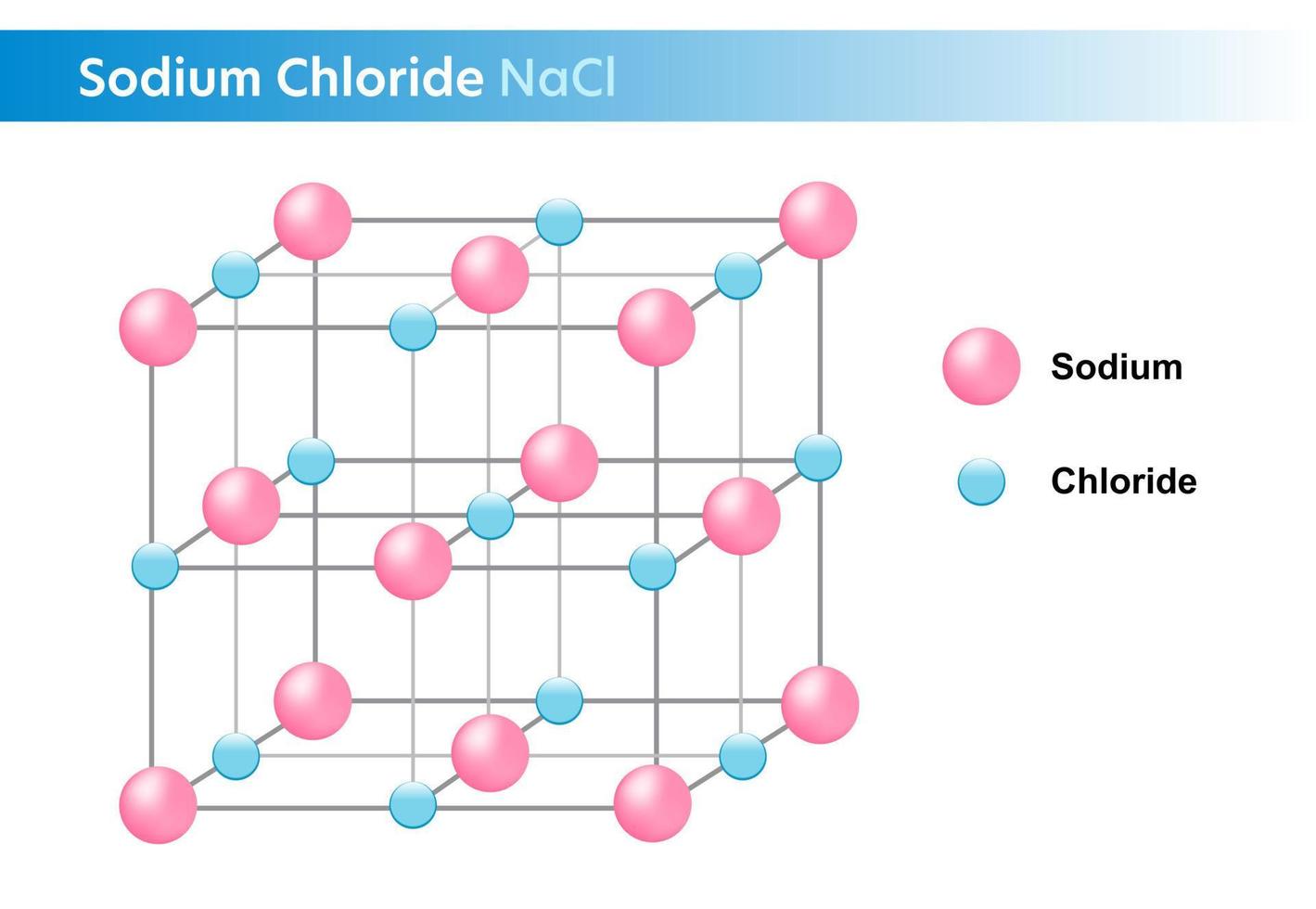
What makes sodium chloride so special is its two basic elements: sodium (Na) and chlorine (Cl). On their own, these are a nightmare—sodium explodes in water, and chlorine gas is toxic. But when they bond, they create a stable, crystalline rock that keeps us alive. The sodium part helps balance fluids and transmit nerve signals, while chloride helps with digestion by forming stomach acid. Together, they’re the dynamic duo of human health. For families, this means proper hydration and muscle function—especially for kids who play hard or adults sweating it out at work.
For communities, sodium chloride matters in everyday ways you might overlook. Think about preserving food: before fridges, salt kept meat and fish from rotting, feeding entire towns through long winters. Today, it’s still used to cure bacon, pickle cucumbers, and make cheese. Or consider winter safety—when icy roads shut down a city, spreading salt melts the ice, letting buses run and kids get to school. In hospitals, saline solution (salt water) is a lifesaver for dehydrated patients. These aren’t luxuries; they’re basics that keep society moving.
Must Read
Here’s a real-life example: imagine a family road trip in snowy Colorado. Without sodium chloride on the highways, the car could slide into a ditch. But a quick spread of rock salt lowers the freezing point of ice, creating traction. At the rest stop, Mom grabs a bag of pretzels—salted, of course, to replace electrolytes after hours of travel. Later, Dad cooks a steak, seasoning it with the same compound. That one substance handled safety, snacking, and dinner. That’s how woven into life it is.
Another example: a community garden on a hot summer day. Volunteers are sweating buckets, so they sip sports drinks—loaded with sodium chloride to prevent cramps. Nearby, a neighbor is making homemade sauerkraut, layering cabbage with salt to ferment it safely, creating a probiotic-rich food for the whole block. Even the garden’s soil might get a tiny amount of salt to boost certain nutrients. From personal health to shared meals, sodium chloride keeps people thriving together.
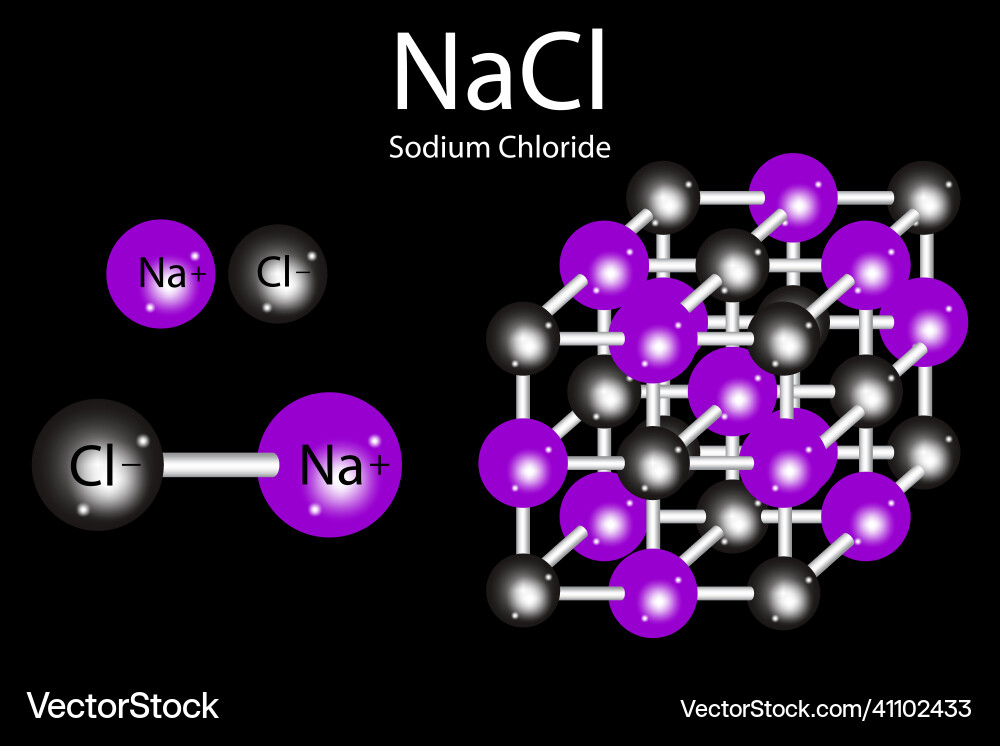 Sodium Chloride Nacl Molecular Structure Stock Vector Art Stock
Want to apply this at home? Start small. Use sea salt or Himalayan pink salt in your cooking—both are mostly sodium chloride with trace minerals. Keep a shaker on the table for finicky eaters who need a flavor boost, but avoid overdoing it (your heart will thank you). For a practical hack, make your own saline spray for stuffy noses: mix 1 teaspoon of salt with 2 cups of warm water. It clears sinuses without chemicals. Also, add a pinch of salt to your morning water—it hydrates faster than plain H2O, especially after a workout.
Here’s the bottom line: sodium chloride isn’t just a seasoning; it’s a foundation of modern life. It powers your cells, preserves your food, clears your roads, and even heals your wounds. For individuals, it means energy and balance. For families, it means safe meals and fun traditions. For communities, it means survival and togetherness. Next time you grab that salt shaker, know you’re holding a tiny miracle of chemistry that’s been keeping humanity going for thousands of years. So sprinkle it wisely—and enjoy every salty bite.