What Does Whip Mean In Cooking

Picture this: you’re in the kitchen, staring at a bowl of heavy cream and a whisk. Your arm starts to ache, and you wonder, “Am I building muscle or dinner?” That’s the moment...
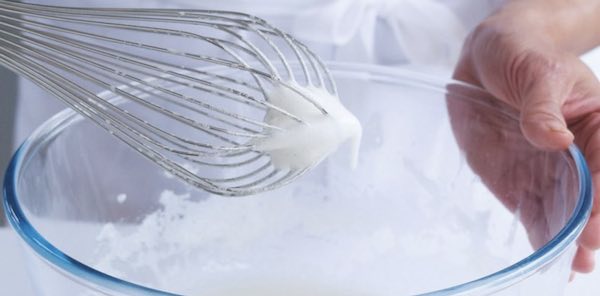
Picture this: you’re in the kitchen, staring at a bowl of heavy cream and a whisk. Your arm starts to ache, and you wonder, “Am I building muscle or dinner?” That’s the moment you realize whipping is more than just a fancy cooking term—it’s a tiny workout with a delicious payoff.
Simply put, whip means to beat air into a mixture until it’s light, fluffy, and doubled in volume. Think of it like giving your ingredients a joyful spa treatment—transforming them from dense and sad into airy and happy.
Why should you care? Because whipping turns ordinary into extraordinary. A dollop of homemade whipped cream on your morning coffee makes you feel like a five-star chef, even if you’re still in pajamas.
Must Read
Let’s start with the classic: whipping cream. You pour cold cream into a bowl, grab a whisk or mixer, and start moving fast. The air bubbles get trapped, and suddenly, you have soft, billowy clouds that taste like childhood birthdays.
But here’s the trick—don’t overdo it. Whip too long, and your cream turns into butter. One minute you’re prepping dessert, the next you’re making sandwich spread. It’s a happy accident, but better to stop when you see soft peaks that droop gently.
Whipping in everyday life
You whip eggs for an omelet, and they become light and custardy. You whip butter and sugar for cookies, and first.
Even mashed potatoes get a whip treatment. That’s not just mixing; that’s injecting fluffy joy into your plate. No one wants gluey potatoes at Thanksgiving.
I once tried to whip cream with a fork because I lost my whisk. Let’s just say my arm got a workout, and the cream stayed suspiciously liquid. Moral of the story: use a whisk or electric mixer for speed, or prepare for a new hobby: “kitchen exercise.”
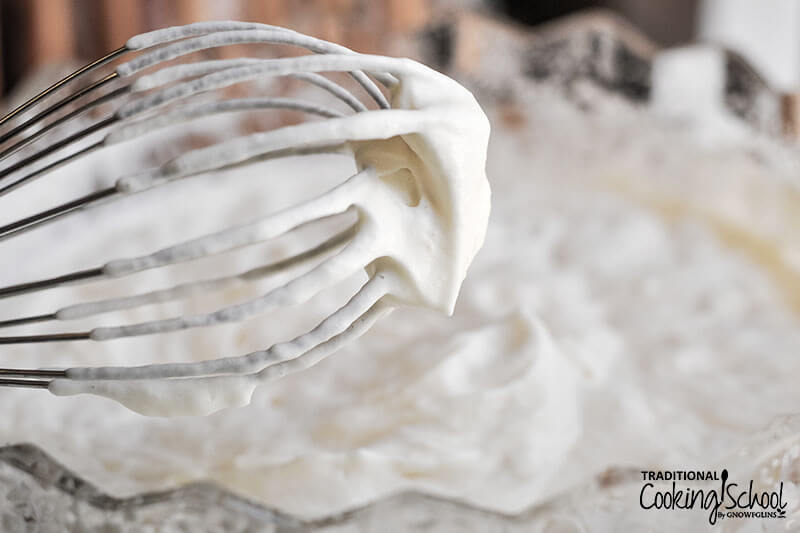 Whip Cooking
How to tell when it’s whipped
Lift your whisk or beater—look for soft peaks that fold over when you pull them up. If you want stiff peaks (like for meringue), the tips should stand straight, no drooping.
For egg whites, a common test is turning the bowl upside down over your head (please don’t actually do this unless you’re very confident). The whites should stay put, not slide out.
If you’re whipping yogurt or tofu for a vegan version, use the same visual cues: fluffy, airy, and proud. Your taste buds won’t know the difference.
Why whipping matters
Whipping is chemistry in action. You’re breaking down fat molecules or proteins, reconfiguring them to trap air, and creating texture magic. It’s like a secret superpower you hold in a bowl.
Ever notice how a well-whipped cake batter looks voluminous and silky? That’s why your cake rises with a tender crumb instead of a brick. Whipping gives baked goods their soul.
And for savory dishes? Whipping cream into a sauce makes it luxurious. Whipping mashed potatoes makes them crowd-pleasers. You don’t need a Michelin star; you just need a wrist and a whisk.
:max_bytes(150000):strip_icc()/20221205-HowToWhipCream-AmandaSuarez-20-eb80fb1a76df4ef6bbbe95ac030d2019.JPG) Whip Cooking
Whip Cooking
Tips for new whippers
Always start with cold cream or eggs for the best results. Cold whips faster and holds peaks better. Room temperature equals soggy defeat.
Use a clean, grease-free bowl. A speck of oil can ruin egg whites faster than a toddler in a mud puddle. Trust me, I learned that the hard way.
Add a little sugar or salt to stabilize the foam. Sugar for sweetness, a pinch of salt for savory dishes. It’s like giving your whip a safety net.
The joy of whipping
There’s something meditative about whipping. The rhythmic motion, the sound, the transformation. It’s a small act of creation that makes you feel capable.
Next time you whip cream for a strawberry shortcake or eggs for a fluffy omelet, remember: you’re not just cooking. You’re performing a tiny miracle of air and motion.
And when someone asks, “What does whip mean in cooking?” you can smile, taste a cloud of cream, and say, “It means making food light up.” Now go grab a whisk—your potatoes are waiting.
