What Does Tomato Paste Do For Spaghetti Sauce

There is something deeply satisfying about a pot of spaghetti sauce simmering on the stove. The rich, red aroma fills the kitchen, promising a comforting meal that brings fami...
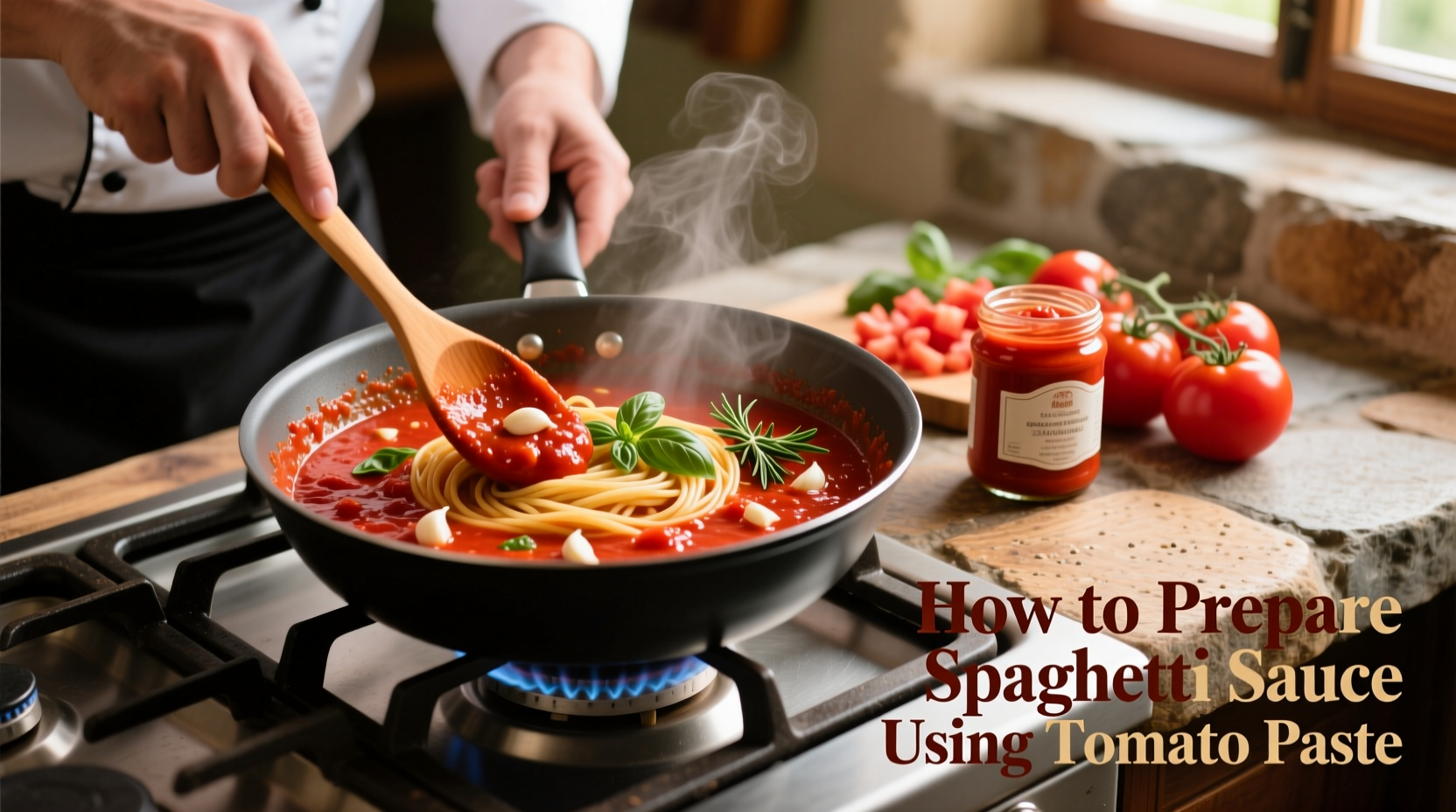
There is something deeply satisfying about a pot of spaghetti sauce simmering on the stove. The rich, red aroma fills the kitchen, promising a comforting meal that brings family and friends together. At the heart of that depth and complexity—the reason a simple tomato sauce transforms into something truly memorable—is a humble, concentrated ingredient: tomato paste. It is the quiet workhorse that elevates a sauce from thin and watery to robust, savory, and luxurious.
At its core, the primary purpose of tomato paste is to deliver intense, concentrated tomato flavor without adding excessive liquid. Fresh tomatoes, canned diced tomatoes, or even crushed tomatoes contain a high amount of water. As your sauce simmers, much of that water evaporates, but the flavor can remain spread thin. Tomato paste, which is cooked down to remove most of its water content, is essentially a flavor bomb. Adding just a tablespoon or two injects a deep, sweet, and tangy tomato essence that instantly thickens and anchors the entire sauce. It is the difference between a sauce that tastes like watery tomato juice and one that tastes like it has been cooking for hours.
The benefits of this concentrated ingredient extend far beyond just flavor. One of its most valuable everyday uses is building a complex flavor base. Professional chefs often “bloom” tomato paste by sautéing it in hot oil or butter for a minute or two before adding liquids. This simple step caramelizes the natural sugars, creating a deep, almost roasted sweetness and a rich umami character that standard tomato products cannot replicate. For example, a weeknight spaghetti sauce made from a can of crushed tomatoes can feel flat. But if you stir in a spoonful of paste with your garlic and onions and let it sizzle, the sauce suddenly gains layers of savory depth that make it taste slow-cooked and homemade.
Must Read
In daily cooking, tomato paste acts as a natural thickener and emulsifier. When you add it to a sauce, its concentrated consistency helps bind the liquid ingredients together, preventing that unappealing separation of oil and water. This creates a silky, cohesive texture that clings perfectly to every strand of pasta. Imagine your spaghetti sauce pooling at the bottom of the plate—runny, thin, and disappointing. Now imagine a sauce that coats the noodles, hugging them with every bite. That transformation is largely thanks to the paste’s ability to create body and structure. Even a small amount can rescue a sauce that has turned too watery, giving it body without requiring long, slow reduction.
Beyond its mechanical role, tomato paste is a versatile secret weapon for balancing acidity. Many homemade sauces can taste a bit sharp or overly acidic, especially when made with canned tomatoes alone. Tomato paste, because it is cooked for extended periods, has a more mellow, sweet, and rounded flavor. A dollop stirred in can counteract harshness and bring harmony to the sauce. Consider a scenario: you taste your sauce halfway through cooking and it is too tangy. Rather than adding sugar or baking soda, a spoonful of tomato paste integrates effortlessly, smoothing out the acidity while adding richness. It is a simple, healthy way to achieve perfect balance in your sauce without extra ingredients.
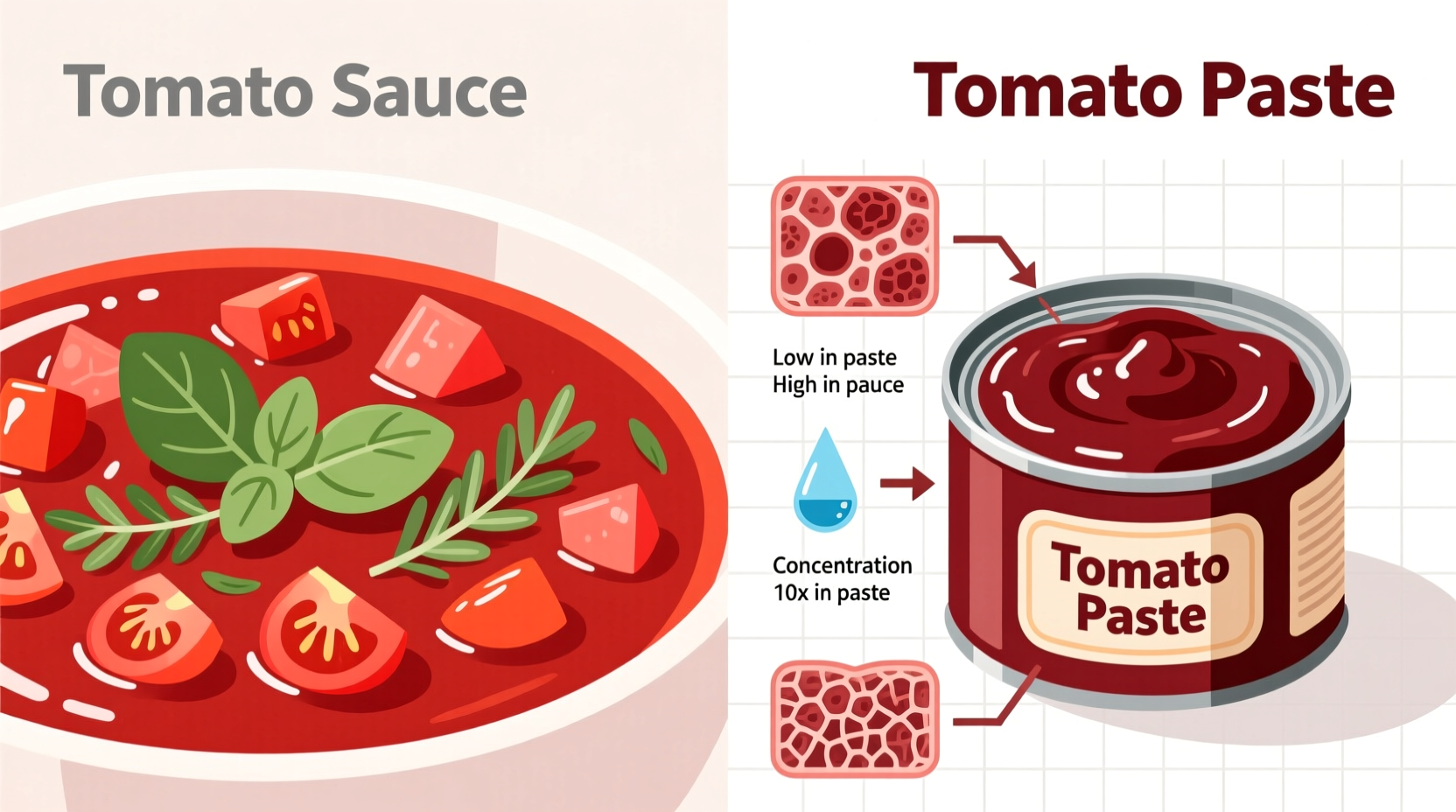 Tomato Sauce vs Paste: Clear Differences & When to Use
For anyone looking to explore the power of tomato paste, a few simple tips can make a world of difference. First, always cook the paste first. Never add it raw to your sauce. Heat a little olive oil, add the paste, and stir constantly for one to two minutes until it darkens and smells intensely fragrant. This unlocks its full potential. Second, use it as a base for more than just spaghetti sauce. Try whisking a spoonful into soups, stews, braises, or even chili to deepen the meaty, savory notes. Third, store it smartly. Since recipes often call for just a tablespoon, freeze leftover paste in ice cube trays or spoonfuls on parchment paper. Once frozen, pop them into a bag; you will have ready-to-use flavor boosters for months. Finally, season with it early. Adding paste at the beginning of cooking, rather than at the end, allows its sugars to develop and its flavor to meld with the other ingredients. Experiment with adding a little more than a recipe calls for—you might be surprised at how much heartier and more satisfying your sauce becomes.
In the end, tomato paste is not just a minor ingredient—it is the backbone of a stellar spaghetti sauce. It provides the concentrated flavor, rich color, smooth texture, and balanced acidity that turn a simple meal into a cherished experience. Whether you are a novice cook or a seasoned home chef, reaching for that small can or tube is a small act that yields big rewards. So next time you stand over a bubbling pot, remember that this unassuming ingredient is the secret to creating a sauce that tastes like it was made with love, care, and a touch of culinary wisdom. Your taste buds—and your spaghetti—will thank you.
