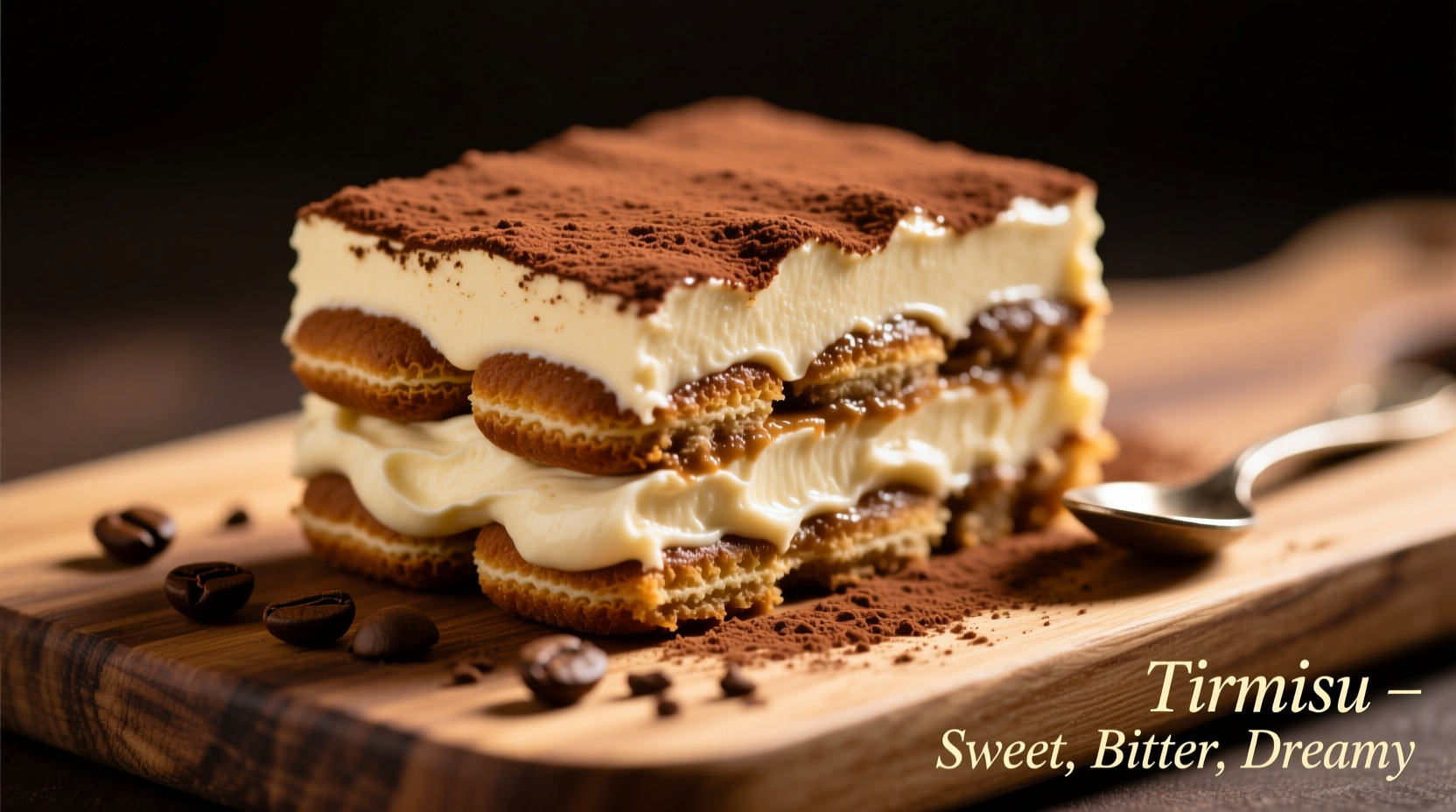
What Does Tiramisu Taste Like

Let’s be honest, few conversations about dessert are as universally satisfying as the one about tiramisu. It’s a topic that sparks joy because it’s not just about a flavor; it...
Let’s be honest, few conversations about dessert are as universally satisfying as the one about tiramisu. It’s a topic that sparks joy because it’s not just about a flavor; it’s about an experience. Whether you’re a coffee lover, a chocolate enthusiast, or someone who just appreciates a truly elegant dessert, tiramisu has something for you. Its main purpose is to be the perfect finale to a meal—a balance of rich, creamy, and slightly bitter that feels indulgent without being too heavy. For home cooks, it’s approachable yet impressive; for diners, it’s a reliable crowd-pleaser that offers a little taste of Italian dolce vita.
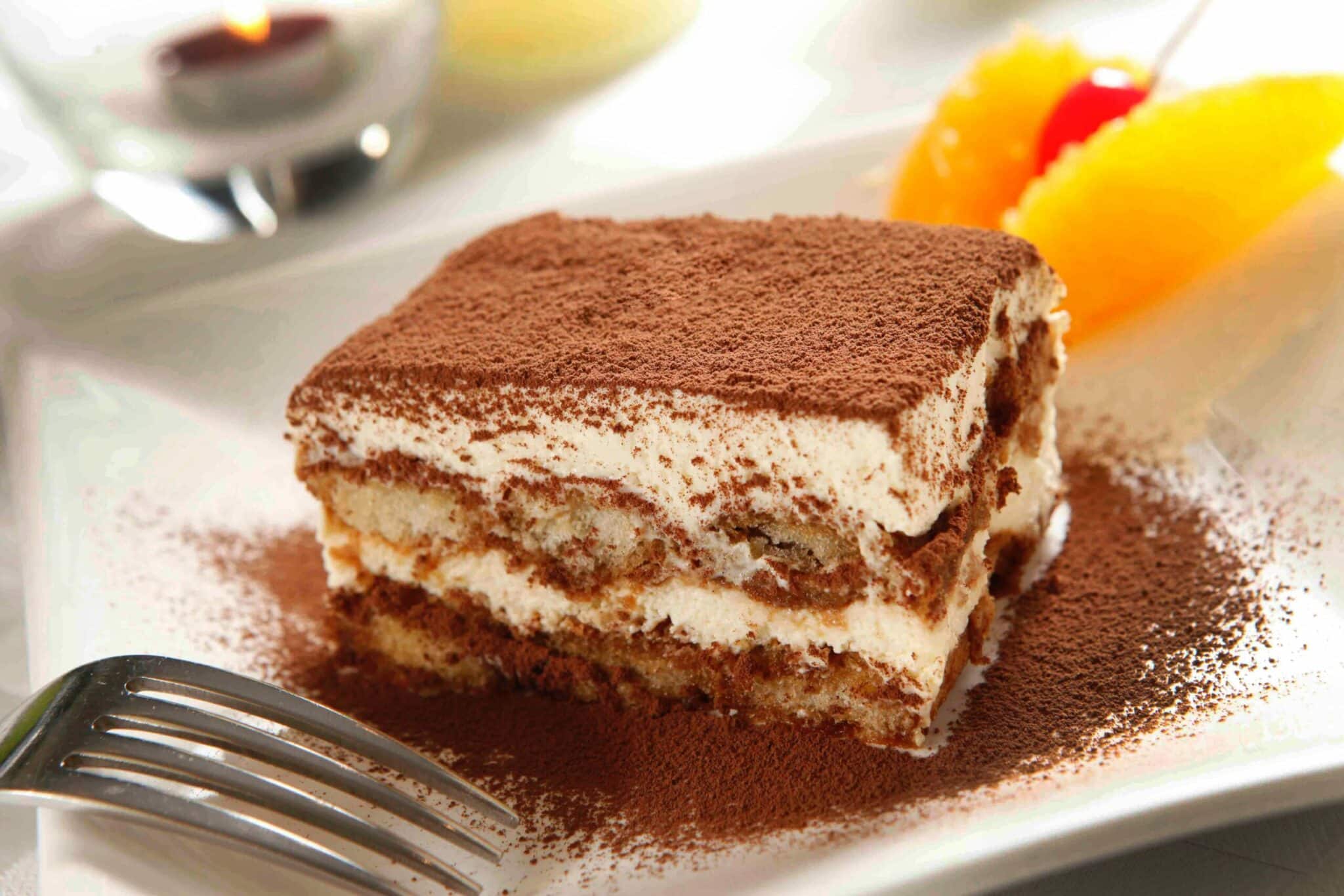
So, what does tiramisu actually taste like? The first thing you’ll notice is the coffee—a deep, bold espresso flavor that soaks into the ladyfinger biscuits. This isn't a shy coffee; it’s front and center, but it’s immediately softened by the silky mascarpone cream. The cream itself is surprisingly light, with a gentle sweetness and a subtle tang from the cheese. Together, they create a dance of contrasts: the bitterness of the coffee against the sweet, smooth cream, and the soft, almost pudding-like texture of the soaked biscuits against the dusting of cocoa powder on top.
Of course, there are variations that change the experience slightly. Some versions add a splash of Marsala wine or rum to the coffee soak, which introduces a warm, boozy note that adds complexity. Others might layer in dark chocolate shavings or a hint of vanilla. You’ll also find fruit-based twists, like strawberry or lemon tiramisu, but the classic remains the gold standard. If you recognize the plastic-wrapped supermarket versions, don’t judge the real thing—freshly made tiramisu is a world apart, with a far more delicate texture and brighter flavors.
Must Read
Here’s the practical part: if you want to make the most of tiramisu, start with the basics. You don’t need expensive ingredients, but spend a little more on good mascarpone—it’s the heart of the cream. Also, never skip the resting time. After assembling the layers, let the tiramisu chill in the fridge for at least four hours, ideally overnight. This allows the flavors to meld and the texture to set properly. Trust me, the difference between a rushed tiramisu and a rested one is night and day.
When you’re ready to taste it, take a small bite and let it sit on your tongue. Notice how the cold cream melts and the coffee-soaked biscuit releases its flavor. The cocoa on top adds a final, slightly bitter punch that wakes up your palate. For the best result, serve it with a tiny cup of espresso or a glass of cold milk—both complement the dessert’s richness. And don’t feel pressured to be a purist; a sprinkle of sea salt or a dollop of whipped cream can be a fun, personal twist.
 Tiramisu Italiano Original Italian Tiramisu
One simple tip for enjoying tiramisu anywhere: if you’re in a restaurant and the menu says “classic,” go for it. It’s a sign they’re confident in their recipe. At home, you can experiment with a layered parfait style in individual glasses for a prettier presentation. The beauty of tiramisu is that it’s forgiving—even if the biscuits get a little too soggy, the flavor is still wonderfully comforting.
In the end, tiramisu tastes like a perfect moment: bold yet gentle, familiar yet a little luxurious. It’s a dessert that invites you to slow down, savor each layer, and appreciate how simple ingredients can create something magical. Whether you’re making it for a dinner party or ordering it at a café, you’re not just eating a sweet treat—you’re enjoying a small, joyful piece of Italian tradition that always feels like a good idea.