What Does It Mean When A Wine Has Legs

There's something delightfully mesmerizing about swirling a glass of wine and watching tiny droplets slide slowly down the sides. If you've been to a wine tasting or even a ca...
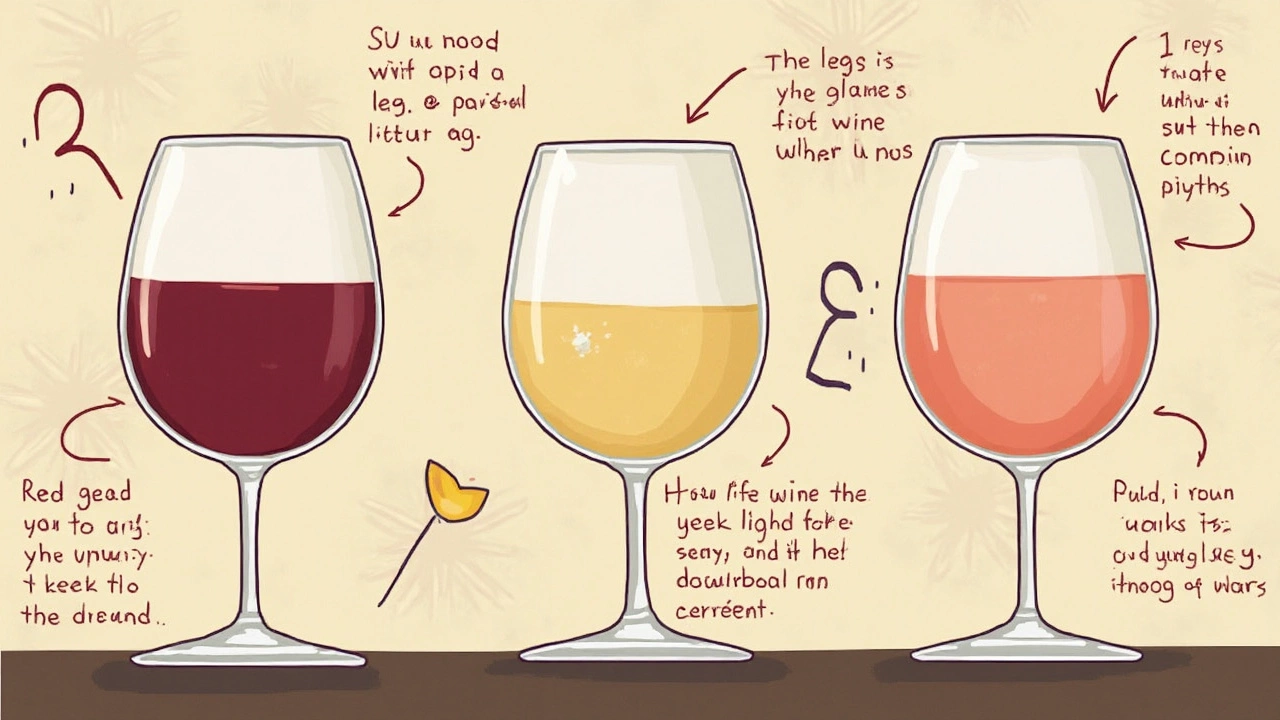
There's something delightfully mesmerizing about swirling a glass of wine and watching tiny droplets slide slowly down the sides. If you've been to a wine tasting or even a casual dinner with a bottle of red, you may have heard someone mention that a wine has legs. The topic is enjoyable because it sits right at the intersection of science and sensory pleasure, and it's practical because understanding this simple trick can help you quickly gauge what's in your glass before your first sip. Whether you're a beginner curious about the basics or a seasoned enthusiast looking to deepen your knowledge, learning about wine legs gives you another lens through which to appreciate the drink.
So, what exactly does it mean when a wine has legs? When you swirl your glass, the liquid coats the inner surface and then flows back down in tiny streams. These streaks are affectionately called legs or sometimes tears. The key factor at play is alcohol content combined with surface tension. As the alcohol evaporates more quickly than water, it creates an imbalance that pulls wine upward along the glass wall. Gravity then brings it back down, forming those well-known drips. The higher the alcohol, the more pronounced and slower-moving the legs tend to be.
It's worth noting that wine legs tell part of the story, but not the whole one. Some people assume that thick, slow legs automatically mean a higher-quality wine, but that's a misconception. What legs really reveal is the wine's viscosity, which is influenced not only by alcohol but also by residual sugar and the amount of extracted compounds like glycerol and other dissolved solids. For instance, a rich Sauternes dessert wine with abundant sugar will display dramatic legs, while a high-alcohol Napa Cabernet Sauvignon may show similar behavior for entirely different chemical reasons. Recognizing these common variations helps you read your glass more accurately.
Must Read
One frequent variation wine drinkers encounter is the difference between a crisp, cool-climate Pinot Noir and a full-bodied Australian Shiraz. The Pinot, with lower alcohol and lighter body, may produce thin, quick-moving legs, while the Shiraz, packing higher alcohol and more extracted richness, leaves slow, well-defined streaks. Another example is sparkling wine; because of its carbonation and typically lower alcohol, its legs are often subtle and short-lived, a sharp contrast to the bold movement you'd see in a fortified port or a warm-weather Zinfandel. These contrasts make comparing wines side by side an engaging and informative exercise.
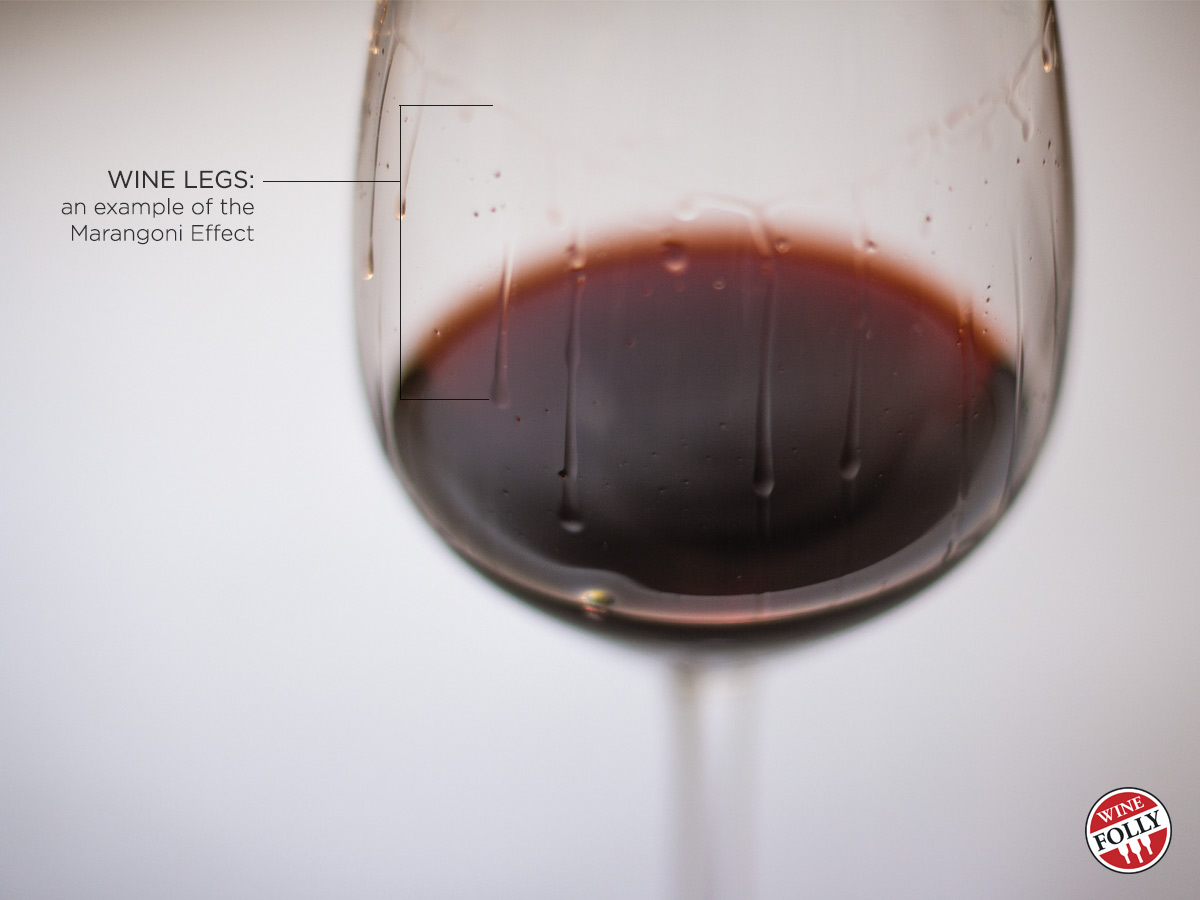 What Do Wine Legs Really Mean? | Wine Folly
If you want to get started, there are a few simple, actionable tips to make the most of observing wine legs. First, use a clear and clean glass so that nothing distorts your view. Fill the glass with a moderate amount of wine—not too much—so you have room for swirling. Gently rotate the glass, let the liquid coat the sides, and then pause and watch for 30 seconds. Pay attention to how fast the legs form and how long they take to travel back down. Try this with two different wines and compare the results—you'll be surprised how quickly your eye sharpens.
Ultimately, wine legs are a fun and accessible way to engage more deeply with what's in your glass. They won't substitute for tasting, but they serve as an excellent starting point for understanding a wine's body and alcohol level before you even take a sip. So the next time someone swirls their glass and points out the legs, you'll know exactly what they're seeing and be able to join the conversation with confidence. Wine is meant to be shared and enjoyed, and this little detail makes every pour just a bit more interesting.


