What Does Cream Of Tartar Do To Meringue

Welcome, fellow kitchen adventurers! If you’ve ever stood over a bowl of egg whites, whisking until your arm aches, and wondered why some meringues turn into glorious, stiff p...

Welcome, fellow kitchen adventurers! If you’ve ever stood over a bowl of egg whites, whisking until your arm aches, and wondered why some meringues turn into glorious, stiff peaks while others collapse into a sad, weepy puddle, you’re in for a treat. Today, we’re diving into the tiny, magical ingredient that can transform your meringue from meh to magnificent: cream of tartar. It’s a powder that looks like it came from a science lab, but it’s actually a natural byproduct of winemaking—and it’s your best friend for fluffy, stable, and foolproof clouds of sweetness.
So, what exactly does cream of tartar do? Think of it as the stabilizer and protector of your egg whites. When you whip egg whites, you’re basically creating a delicate foam of air bubbles held together by proteins. These bubbles are fragile and can easily deflate—especially if you overbeat or add sugar too early. Cream of tartar, which is an acid (potassium bitartrate), lowers the pH of the egg whites. This does two brilliant things: first, it prevents the proteins from bonding too tightly, which stops you from accidentally whipping them into a dry, grainy mess. Second, it strengthens the structure so your meringue holds its shape longer, even in a hot oven or a humid kitchen. The advantage? A perfectly glossy, stiff, and voluminous meringue every time—no weeping, no cracking, no tears.
But don’t just take my word for it—let’s look at the fun, creative ways cream of tartar works its magic. Imagine making a classic lemon meringue pie: you whip your egg whites with sugar, and without cream of tartar, your peaks might start to sag after a minute. With it, you get towering, snowy peaks that brown beautifully and stay firm even under a layer of tangy curd. Or consider French macarons, those finicky little cookies that demand a perfectly stable meringue. Adding cream of tartar gives you a smoother, more consistent batter that bakes into those delicate feet—no hollow shells or cracked tops. Even for a simple pavlova—a crisp crust with a marshmallowy center—cream of tartar ensures it won’t collapse into a flat disk. And here’s a pro tip: you can even use a pinch of cream of tartar to whip up a vegan meringue from aquafaba (the liquid from canned chickpeas). It works the same way—stabilizing those plant-based proteins into stiff peaks for mousses, meringue cookies, or even cloud-like frosting.
Must Read
Let’s talk numbers, because this is where the practical advice gets golden. For most recipes, you need only 1/8 teaspoon of cream of tartar per egg white (or per 30–60 ml of aquafaba). That’s it—a tiny pinch! Use too much, and your meringue can develop a slightly sour or metallic taste, so be precise. Always add it at the beginning of whipping, when the egg whites are still frothy with large bubbles. This gives the acid time to work its stabilizing magic before the foam gets too stiff. And remember: cream of tartar is not a substitute for sugar—sugar adds sweetness and volume, but the tartar is purely for structure. If you’re out of cream of tartar, you can substitute 1 teaspoon of lemon juice or white vinegar per egg white, though the acid is slightly weaker, so your meringue may be a tad less stable. Also, avoid aluminum-based pans or bowls when whipping—they can react and cause grayish meringues. Stick to glass, stainless steel, or copper (which naturally helps stability).
Here’s a secret: cream of tartar isn’t just for meringue, but that’s its superstar role. If you’re baking angel food cake, add it to the egg whites to help the cake rise high without deflating. Making frosting from whipped egg whites (like a Swiss or Italian meringue buttercream)? The tartar ensures your buttercream stays silky and doesn’t separate into a greasy mess. Even snickerdoodle cookies often call for cream of tartar, as it gives them that classic tangy flavor and soft, chewy texture. But when you focus on meringue, the biggest tip is this: always use room-temperature eggs. Cold egg whites don’t incorporate air as well, and they can cause the cream of tartar to work less effectively. Let your eggs sit out for 20 minutes before whipping—it’s a small step that makes a huge difference.
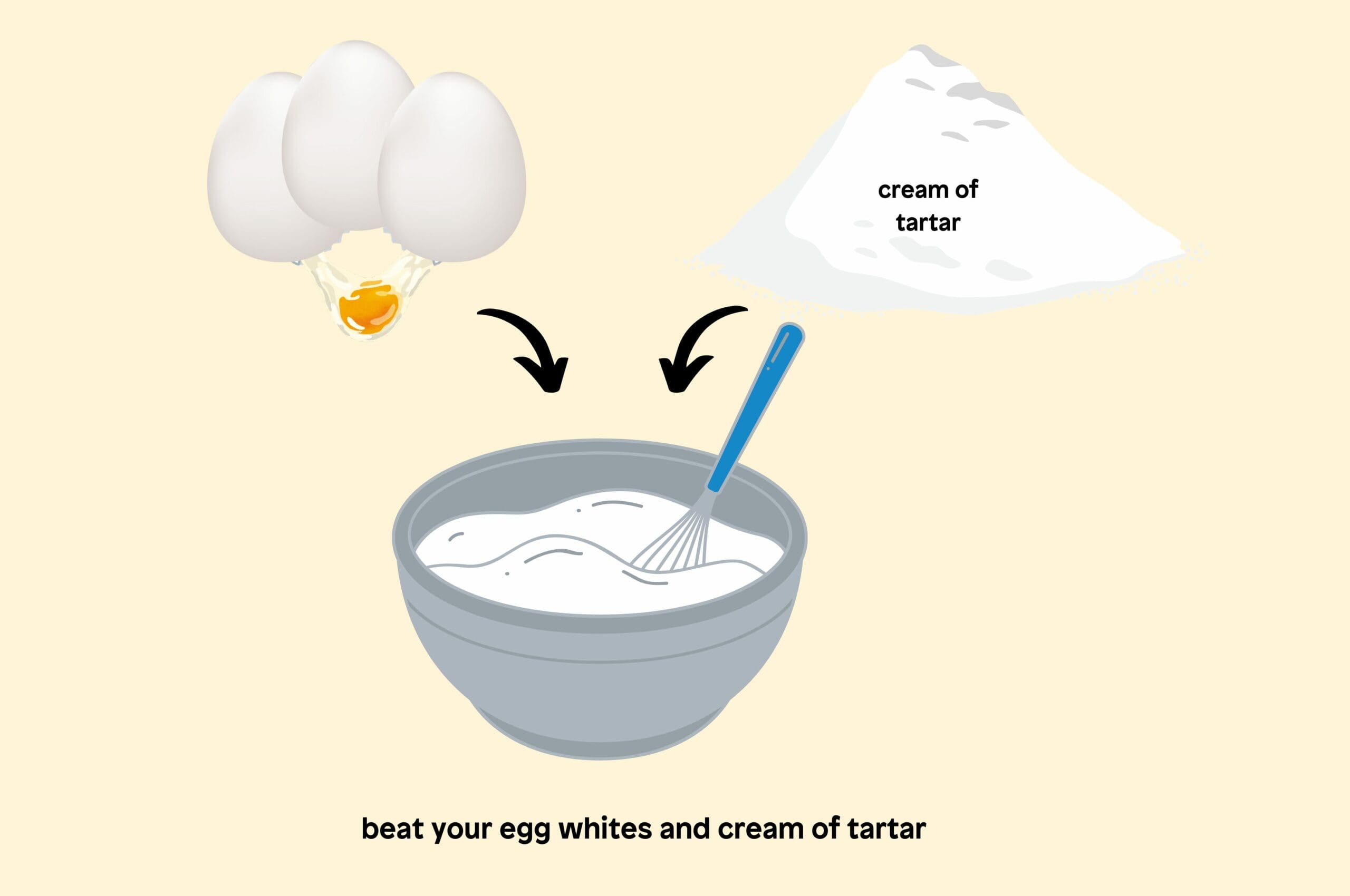 Create Beautiful Christmas Tree Meringues In 7 Simple Steps
One common mistake is beating your meringue too fast or too long. Even with cream of tartar, if you overbeat, the proteins can denature and the foam will separate into watery liquid and chalky clumps. The goal is stiff but glossy peaks that hold their shape when you lift the whisk—think of a shiny, firm cloud that doesn’t droop. Another tip: add sugar slowly. Once your egg whites are frothy with cream of tartar, start adding sugar one tablespoon at a time while continuing to beat. This ensures the sugar dissolves fully, giving you a smooth, not grainy, meringue. And if you’re baking meringue cookies or a pavlova, low and slow is your friend—bake at 200°F (93°C) for 1–2 hours, then let them cool in the oven with the door cracked. This prevents cracks and keeps them dry and crisp.
Finally, let’s address the fear factor: cream of tartar is not scary. It’s an affordable, shelf-stable powerhouse that lives in your spice cabinet and rarely goes bad. If you’re new to meringue, start with a simple recipe like cloud-like meringue cookies (just egg whites, sugar, cream of tartar, and vanilla). You’ll see exactly how the magic works—no weeping, no deflating, just pure, airy joy. And if you mess up? No worries! Meringue scraps are perfect for crumbling over ice cream or into a fruit fool. The real point is to experiment and have fun. Cream of tartar gives you the control to whip up impressive desserts with confidence, whether you’re a beginner or a seasoned baker. So next time you crack an egg, remember that tiny white powder is your secret weapon—ready to turn humble egg whites into a show-stopping masterpiece. Happy whisking!
