What Does Chop Mean In Cooking

Alright, let’s talk about one of the most fundamental, yet surprisingly slippery words in the kitchen: chop. You see it in every recipe. “Chop one onion.” “Finely chop the gar...
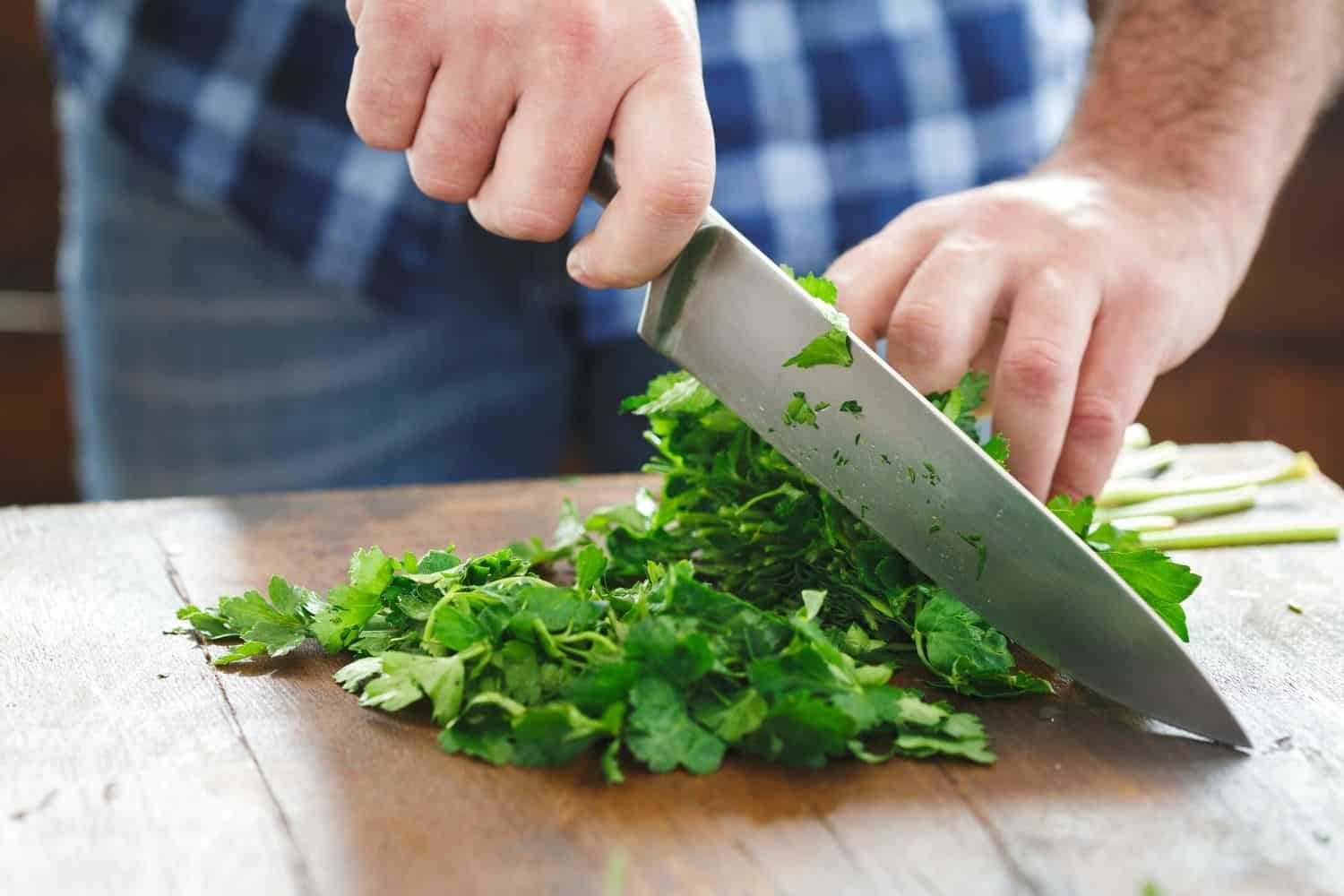
Alright, let’s talk about one of the most fundamental, yet surprisingly slippery words in the kitchen: chop. You see it in every recipe. “Chop one onion.” “Finely chop the garlic.” But what does it actually mean? Is it a violent act? A martial arts move? (Spoiler: please don’t do a karate chop on your carrots—your hand will lose, and the carrots will laugh at you.)
In the culinary world, to chop simply means to cut food into pieces that are roughly the same size. That’s it. No magic, no secret handshake. But here’s the kicker: size matters. A lot. If you’re making a chunky stew, your chop can be big and rustic. But if you’re making a delicate sauce, your chop needs to be tiny—so small it basically vanishes into the dish like a shy ninja.
The key word here is uniformity. When you chop an onion into uneven chunks—some huge, some the size of a grain of sand—you’re creating a chaos of cooking times. The tiny bits will burn to a crisp while the big ones are still raw and crying for help. Even cooking is the goal, and uniform chops are your ticket there. Think of it like a team of tiny vegetable soldiers: they all need to march at the same pace.
Must Read
Now, let’s break down the slang. You’ll see three main levels of chop in recipes: rough chop, medium chop, and fine chop (or mince). A rough chop is for when you don’t care about perfection—maybe for a stock or a rustic soup. You’re basically just bullying the vegetable into smaller bits. A medium chop is your everyday hero—about ½-inch cubes, perfect for stir-fries or salsas. And a fine chop? That’s for when you want the ingredient to disappear into the dish, like garlic in a vinaigrette. That’s almost a mince, which is the tiniest chop of all (think: almost a paste).
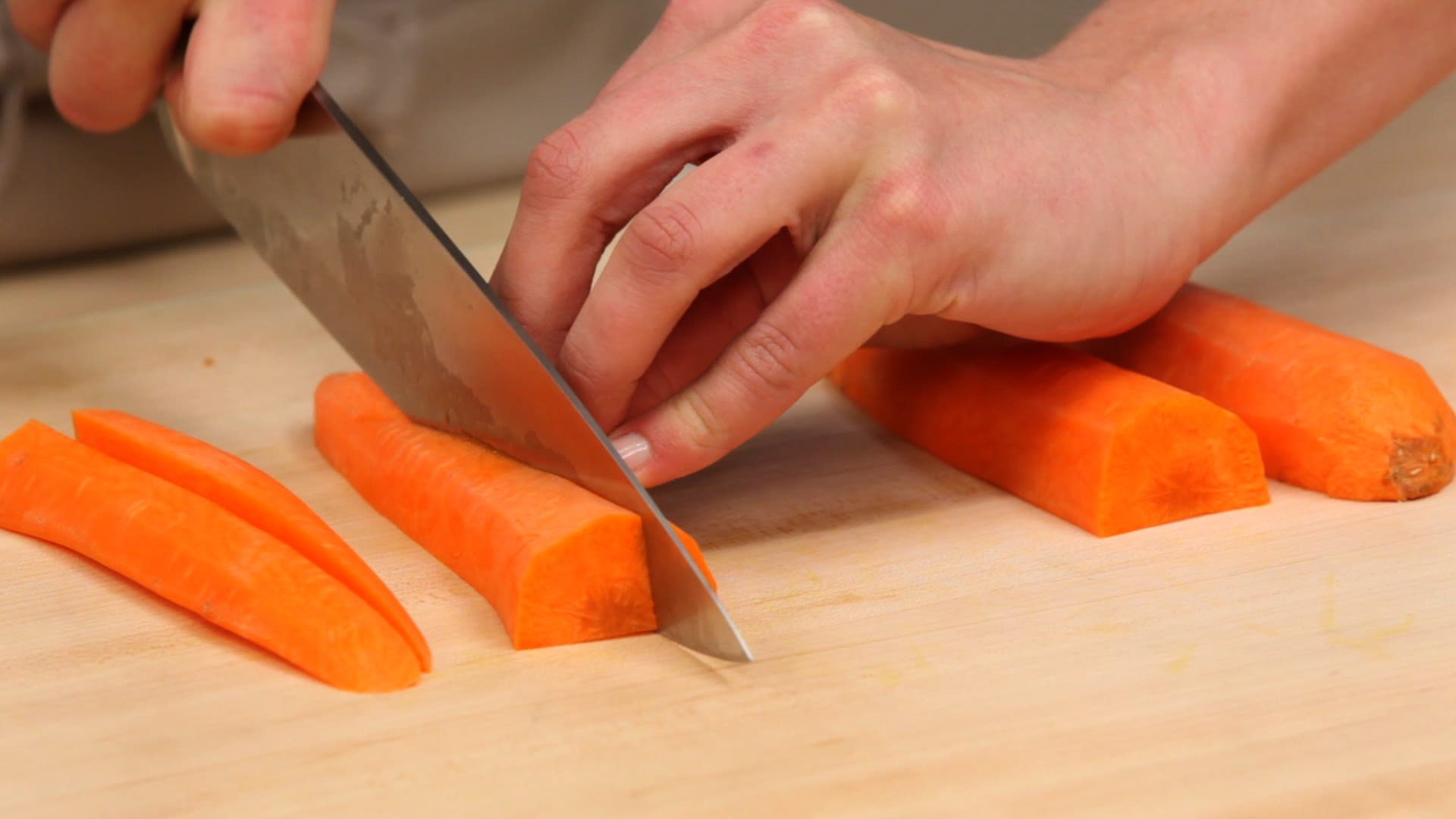 Watch How to Chop | Epicurious Essentials: Cooking How-Tos | Epicurious
Here’s a pro tip that will change your life: use a sharp knife. A dull knife is a dangerous knife because you have to use more force, and that’s when things slip and you end up chopping your fingertip instead of the bell pepper. (Trust me, a fingertip does not taste like bell pepper. 0/10, do not recommend.) A sharp blade glides through food like butter, giving you cleaner cuts and happier hands.
And please, for the love of all that is holy, tuck your fingers when you hold the food. Make a claw shape with your non-knife hand. Your knuckles should guide the blade, not your fingertips. It looks silly, but it’s the difference between “I’m a chef” and “I’m visiting the ER for stitches again.”
 Learn Just What a Fine Chop Looks Like | The Kitchn
One more thing: come on, don’t stress about perfection. Unless you’re on a cooking show with a timer and a judge who sniffs at uneven pieces, your home-cooked meal will taste amazing even if your chops are a little wonky. Imperfect cuts add character, like a crooked smile on a loved one. The goal is not to be a robot; it’s to cook with joy.
So next time you see “chop” in a recipe, don’t overthink it. Grab your sharpest knife, make a claw with your other hand, and go for it—with a little love and a lot of sass. Whether you’re making a quick weeknight dinner or a fancy meal to impress a date, remember: you’re not just chopping vegetables; you’re crafting happiness, one tiny, uniform piece at a time. And if all else fails? Just call it a “rustic chop” and own it. Happy chopping, friend.
