What Does Blanching Vegetables Mean

So, you’ve heard the term “blanching” floating around fancy cooking shows or fussy food blogs. Maybe you pictured a medieval torture device or a strange vegetable spa treatmen...
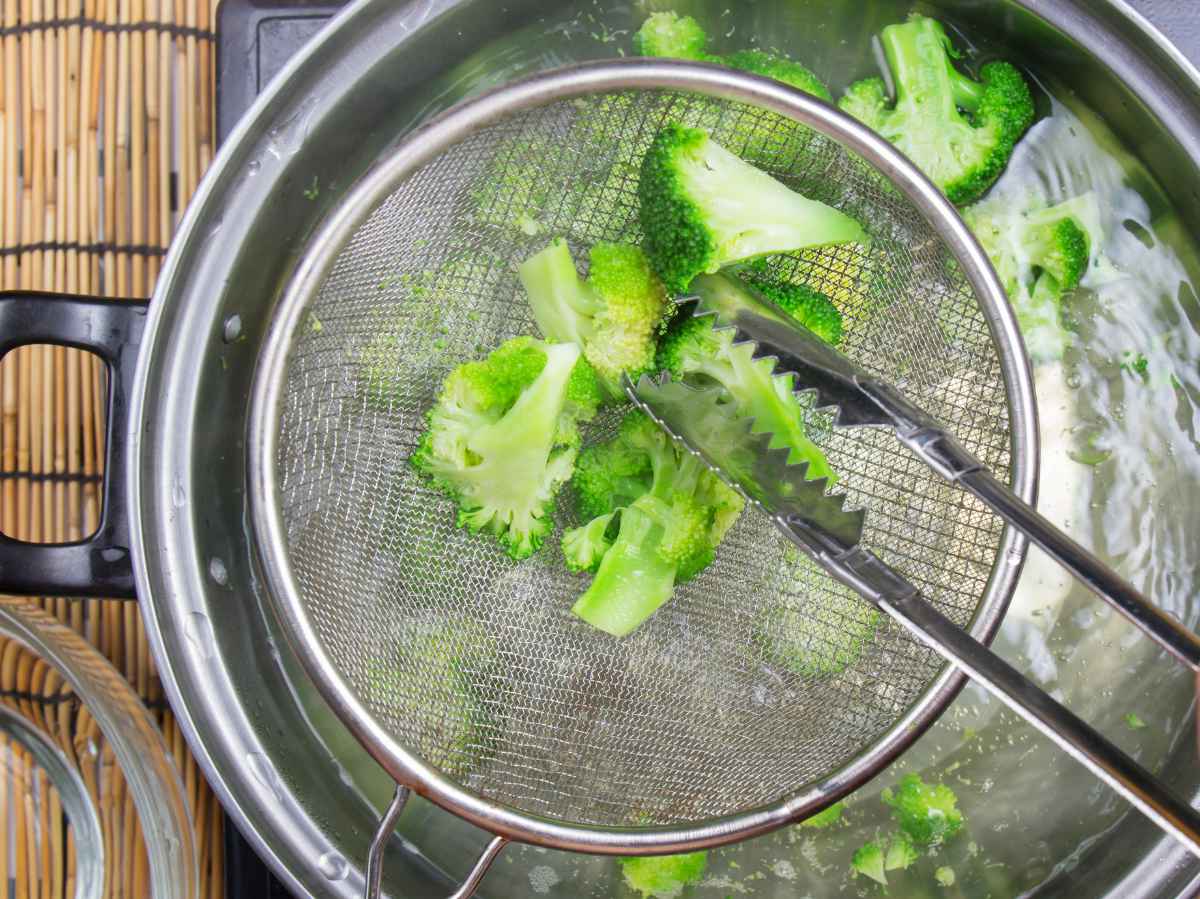
So, you’ve heard the term “blanching” floating around fancy cooking shows or fussy food blogs. Maybe you pictured a medieval torture device or a strange vegetable spa treatment. Relax—it’s actually the easiest, most magical trick you’ll ever learn in the kitchen.
Blanching simply means briefly boiling vegetables, then immediately shocking them in ice-cold water. Think of it as a quick, refreshing plunge that wakes up your produce. You’re basically giving your veggies a power nap and a cold shower, all in under two minutes.
Why Bother? Because It Makes Life Fun.
Must Read
First, blanching locks in that stunning, vibrant color. Have you ever cooked broccoli until it turned into a sad, army-green mush? Blanching stops that tragedy cold, leaving your veggies bright, crisp, and Insta-worthy. Your plate will literally pop like a rainbow.
Second, it tames the bitterness. Those harsh, astringent notes in kale or green beans? Blanching magically mellows them out. Suddenly, you’ll crave that salad you used to push around your plate.
The Geeky (But Fun) Science Behind It
Here’s the secret: boiling water zaps enzymes that cause spoilage and fading. That ice bath then slams the brakes on the cooking process. It’s like a culinary pause button, keeping your veggies at peak perfection for days or even months in the freezer.
And yes, you can freeze blanched veggies! Imagine having farm-fresh green beans in January. You just casually pull them out of your freezer like a kitchen wizard. Your future self will thank you.
Your Easiest-Ever How-To
Grab a pot of water, bring it to a full, rolling boil. Add a generous pinch of salt—it’s not for taste, it helps keep color locked in. Drop your veggies in for 1-3 minutes (timing is everything—use a timer!).
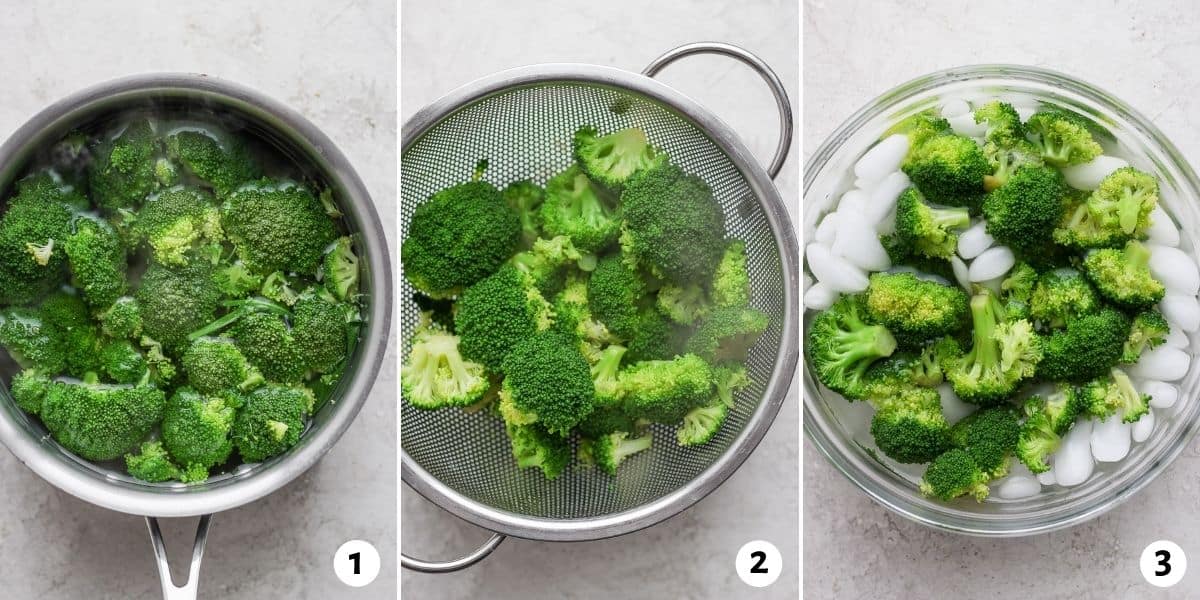 Easy Stepbystep Guide To Blanching Vegetables For
While they boil, prepare a big bowl of ice water. Seriously, don’t skip the ice. Once the timer dings, scoop the veggies out and plunge them straight into that icy bath. Let them chill for the same amount of time they boiled.
Finally, drain them, pat them dry, and admire your handiwork. You’ve just performed a pro-level technique. High-five yourself.
Which Veggies Beg to Be Blanched?
Pretty much any veggie loves a good blanch. Green beans, broccoli, asparagus, snap peas, spinach, and yes, even kale. Leafy greens only need about 30 seconds—they’re fast and fragile. Hearty veggies like carrots or green beans can handle a full minute or two.
Tomatoes and peaches also get the treatment—blanching makes their skins slip off like magic. Imagine peeling a tomato in ten seconds flat. That’s the power you now hold.
A Big Mistake to Avoid
The most common flub is over-blanching. If you let veggies sit in boiling water too long, you’ve just made sad, mushy leftovers. Set that timer every single time—your future crisp broccoli says you’re welcome.
:strip_icc()/BHG-how-to-blanch-vegetables-03_72VYUekyaMN9CqkKW-pmff-3d382736ae4e4a1487580aa043efaf8b.jpg) Mastering the Art of Blanching Vegetables: Tips for Perfect Texture and
Mastering the Art of Blanching Vegetables: Tips for Perfect Texture and
Another mistake? Skipping the ice bath entirely. Without that shock, the heat keeps cooking your veggies from the inside, turning them limp. Be generous with the ice—buy an extra bag just for this.
What Does This Teach You About Life?
Honestly, blanching is a metaphor. Sometimes you need a little intense heat to wake you up, followed by a refreshing pause to keep you from burning out. You can handle pressure—then you can find your chill again.
It’s also a reminder that small, simple actions create huge results. You don’t need a fancy chef’s knife or a culinary degree. You just need a pot, some ice, and a willingness to try something new.
Now Go Make Something Beautiful
Tonight, blanch some asparagus and toss it with lemon and Parmesan. Or keep a bag of blanched green beans in your freezer for lazy stir-fry nights. You’ll feel like a kitchen rockstar, and your tastebuds will throw you a party.
And here’s the uplifting note: mastering one small skill gives you confidence to tackle the next. Maybe tomorrow you’ll try roasting, then grilling, then—who knows?—making perfect pasta from scratch. It all starts with a simple blanch.
So go ahead. Boil some water, fill a bowl with ice, and dive in. Your veggies—and your soul—will thank you. The world is full of kitchen secrets just waiting for you to discover. This is just the beginning.
