What Does Bad Chorizo Look Like

You know that moment of pure, unadulterated joy when you pull a wrinkled package of chorizo from the back of the fridge? It’s like finding a forgotten twenty-dollar bill in yo...

You know that moment of pure, unadulterated joy when you pull a wrinkled package of chorizo from the back of the fridge? It’s like finding a forgotten twenty-dollar bill in your winter coat, except this one is made of pig fat, paprika, and potential doom. But before you start slicing that spicy tube of happiness into your breakfast hash, you need to ask yourself one terrifying question: does this chorizo look like it’s plotting my demise?
The Color: A Rainbow of Regret
Let’s start with the obvious. Fresh, raw Mexican chorizo should look like a glorious, fiery sunset—a deep, vibrant red that makes you think of Texas sunsets and questionable decisions. If your chorizo has turned a shade of muddy brown, army green, or, God forbid, gray, you are holding a science experiment, not dinner. A simple rule: if the color reminds you of a swamp, toss it.
Spanish chorizo, the cured kind, is a bit more forgiving, but it still has standards. If that cured log looks pale or has developed white patches that aren’t natural mold, you’ve entered the danger zone. White fuzz on cured meat is sometimes fine (like on a good salami), but if it looks like a science fair project growing in a petri dish, trust your gut—and then throw it away.
Must Read
The Smell: Your Nose Knows the Apocalypse
Here’s a surprising fact: bad chorizo doesn’t always smell like rotten eggs. Sometimes it smells like sour yogurt or a wet dog that just rolled in garbage. If the aroma makes you instinctively recoil, that’s your evolutionary alarm system screaming, “Run!” Fresh chorizo should smell like garlic, chili, and vinegar—a punchy, pleasant punch.
I once opened a pack of chorizo that smelled exactly like a dirty gym sock that had been marinating in a landfill for a week. I still think about that smell in therapy. If your chorizo gives you that same existential dread, do not cook it. Cooking can kill bacteria, but it cannot kill the memory of that smell—or the potential toxins left behind by spoilage.
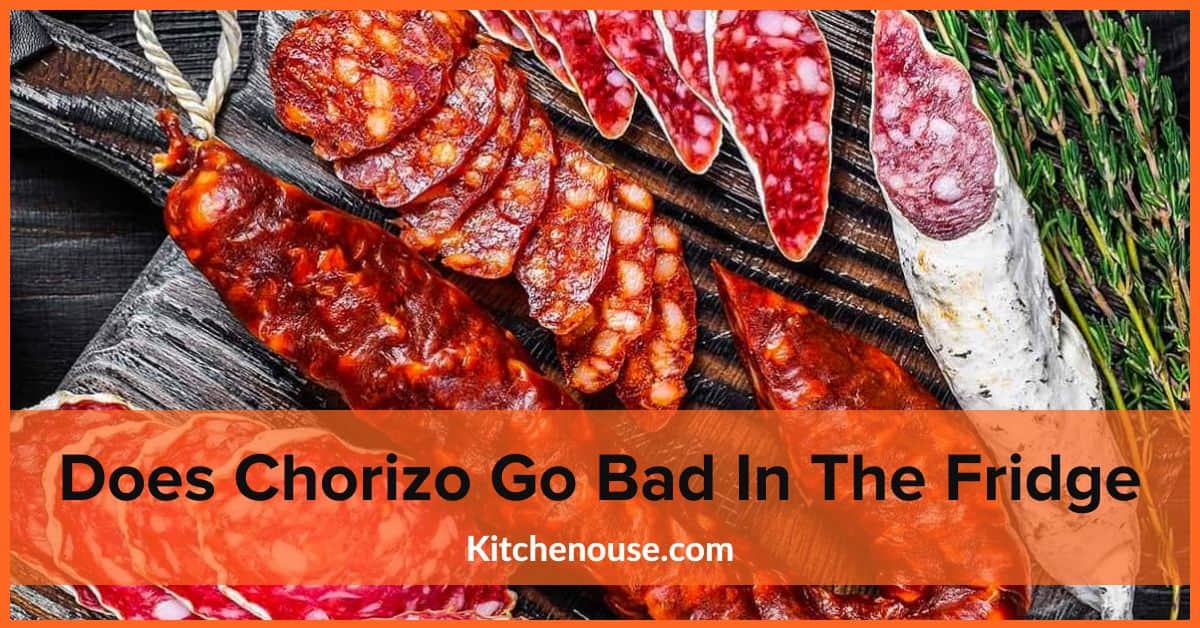 Does Chorizo Go Bad In The Fridge
The Texture: Soggy, Slimy, or Straight-Up Alien
When you squeeze the package, fresh chorizo should feel firm, like a friendly handshake from a butcher who respects his craft. If it feels slimy—like a slug wearing a raincoat—you have a problem. Sliminess is a bacterial party, and you are not invited to that party. Also, look for an excess of liquid. A little moisture is normal, but a puddle of pinkish goo that looks like a crime scene? That’s a no-go.
For Spanish chorizo, check for mold that isn’t supposed to be there. The good kind is a fine, white, powdery mold—like very polite dust. The bad kind is fuzzy, green, or black, like something that crawled out of a haunted house. If you see that, close the package and say a small prayer for the cow that never got to be chorizo.
The Package: A Window into Horror
Here’s a shocking fact: chorizo can go bad even before you open it. Check the package for any bulges. If the plastic is puffing up like a pufferfish, the sausages are off-gassing from bacterial activity. That is a literal red flag. Also, look for frost heave—big ice crystals inside the package. That means the meat freezer-burned itself to death, and it will taste like cardboard soaked in sadness.
 Chorizo Soup Mystery: Why Your Sausage Turned Liquid Explained | AnSoup
And for the love of all that is delicious: never trust chorizo past its sell-by date by more than a few days, unless it’s the cured Spanish kind that is basically a meat mummy. Even then, use your senses. An unopened package that smells fine but is a month past date? It’s a gamble, and the stakes are a toilet marathon.
The Final Verdict: When to Just Walk Away
Here’s the easiest test in the world. If you look at that chorizo and your brain whispers, “Hmm, maybe I can just scrape off the weird parts,” you have already lost the game. Do not negotiate with chorizo. It is not a hostage situation. It is a tube of ground meat, and it has no loyalty to you. Throw it away, forgive yourself, and go buy a fresh one.
Remember, the difference between a great breakfast and a trip to the ER is often just a sniff test. Bad chorizo looks like a regret, smells like a warning, and feels like a betrayal. So treat your chorizo with respect—but also with a healthy dose of paranoia. Your stomach will thank you, and you’ll live to tell the tale over a proper plate of huevos rancheros.
