What Does A Gleason Score Of 6 Mean

For men navigating the path of a prostate cancer diagnosis, few terms carry as much weight—and as much potential for misunderstanding—as the Gleason score. This number, often...

For men navigating the path of a prostate cancer diagnosis, few terms carry as much weight—and as much potential for misunderstanding—as the Gleason score. This number, often a source of anxiety at first glance, is actually a powerful tool for clarity and hope. Understanding what a Gleason score of 6 truly means is the first step toward demystifying your diagnosis, empowering you to make informed decisions, and recognizing that a cancer diagnosis is not a single, terrifying entity but a spectrum of conditions, many of which are highly manageable.
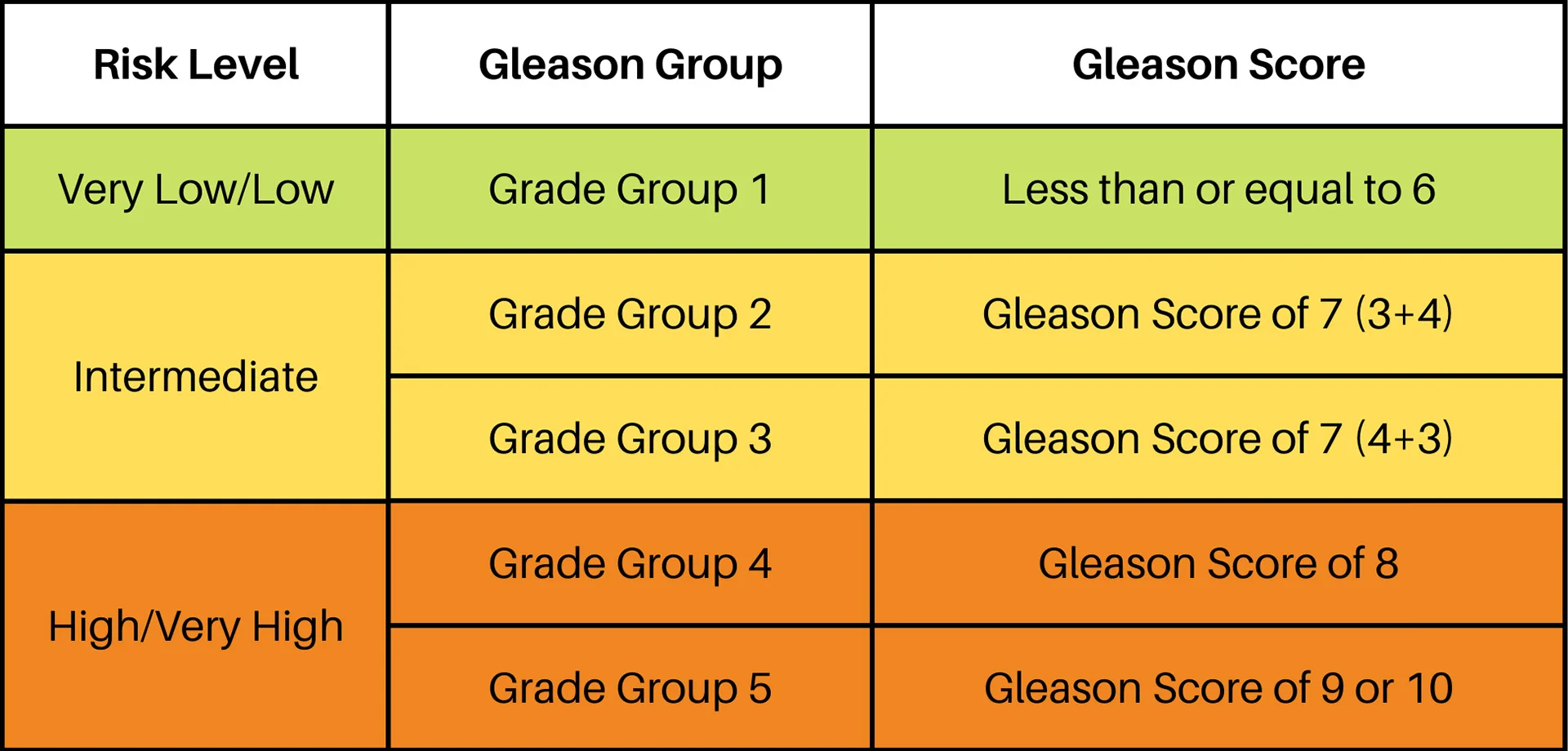
The key purpose of the Gleason score is to grade the aggressiveness of prostate cancer based on how the cancer cells look under a microscope compared to healthy prostate tissue. The pathologist examines the two most prevalent patterns of cells, giving each a grade from 1 (most like normal, slow-growing) to 5 (most abnormal, aggressive). These two numbers are then added together to create the final score. A Gleason score of 6, therefore, is the sum of two low-grade patterns (typically 3+3). This is a critical distinction: a score of 6 is considered low-grade and low-risk, and it is the most common score assigned to newly diagnosed prostate cancers. It signals that the cancer cells are still very well-differentiated, meaning they resemble normal prostate tissue and are unlikely to grow or spread rapidly.
The primary benefit of understanding a Gleason 6 score in everyday life is the profound relief that comes with replacing fear with a clear, actionable plan. For example, imagine a 62-year-old man, Mark, who receives a diagnosis that his screening PSA was elevated. His immediate reaction is dread. However, when his urologist explains that his biopsy shows a Gleason 6, Mark learns that this specific cancer is widely considered to be clinically insignificant for many men. This means it has a very low probability of causing problems during his lifetime. Instead of rushing into aggressive treatments with side effects like incontinence and impotence, Mark and his doctor can confidently discuss active surveillance—a plan that involves monitoring the cancer with regular PSA tests, rectal exams, and periodic biopsies, intervening only if the cancer shows signs of becoming more aggressive. This turns a potential life-disrupting crisis into a manageable, watchful waiting process.
Must Read
To put this into context, consider a simple analogy: a garden. A Gleason 6 is like finding a single dandelion in a vast lawn. You have options: you can dig it out aggressively, which may disturb the surrounding grass, or you can simply keep an eye on it, knowing it is very unlikely to take over the yard. In contrast, a Gleason 8 or 9 is like finding spreading, invasive kudzu—a threat that requires immediate and aggressive action. For the vast majority of men with a Gleason 6, the cancer behaves more like that dandelion. Studies have shown that in men under active surveillance for Gleason 6 prostate cancer, the risk of the cancer spreading to other parts of the body within 10 to 15 years is exceedingly low—often less than 1-2%.
Another scenario highlights the importance of this score in family and emotional well-being. Sarah’s husband John is diagnosed with a Gleason 6. Instead of both of them spiraling into panic and researching drastic treatments, they attend a consultation where the oncologist explains that John’s cancer is low-risk. This allows them to step back, take a deep breath, and focus on a healthy lifestyle—a balanced diet rich in fruits and vegetables, regular exercise, and stress reduction—which are all proven to support overall prostate health. The diagnosis becomes a catalyst for positive change rather than a sentence of suffering. The patient can continue working, traveling, and enjoying hobbies without the debilitating after-effects of unnecessary radiation or surgery.
 Prostate Cancer Understanding Your Pathology Report - PathNet Lab
If you or a loved one have received a Gleason 6 diagnosis, there are simple steps you can take to explore this further and feel more in control. First, request a second pathology review of your biopsy slides at a high-volume cancer center. This can confirm the score and rule out any misclassification. Second, ask your doctor about a multiparametric MRI, which provides detailed images of the prostate and can help guide future biopsies, ensuring that no higher-grade cancer hidden elsewhere has been missed. Third, embrace the label of "active participant." Instead of being a passive patient, ask your doctor for specific parameters of your surveillance protocol: How often will I have a PSA test? When is my next biopsy due? What specific change would trigger a discussion about treatment? Finally, seek out a support group or online community of men on active surveillance for Gleason 6. Hearing firsthand stories can replace anxiety with realistic, hopeful perspectives and practical tips for living well with a low-risk diagnosis.
Ultimately, a Gleason score of 6 is not a verdict; it is a differentiating factor. It separates the vast majority of prostate cancers that are slow-growing and likely harmless from those that require immediate intervention. By understanding that this score represents a condition that can often be managed with monitoring rather than radical treatment, you reclaim your peace of mind. It empowers you to discuss your health with nuance, to make a shared decision with your medical team, and to live your life with vigilance, not fear. It is a number that, when understood, can transform a frightening diagnosis into a manageable chapter of proactive health stewardship.
